How the Japanese Use 5S to Live a More Peaceful Daily Life
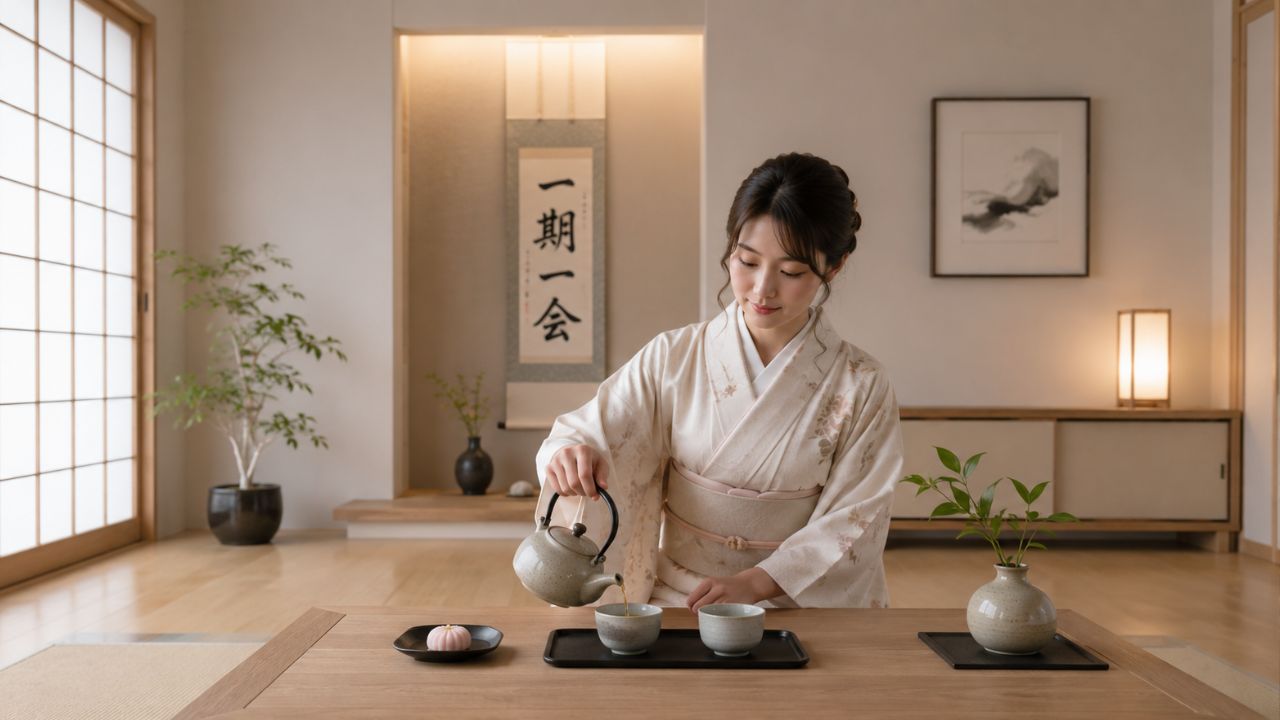
Aydul.com - Minimalism is not just about having an aesthetic white room or owning only a few items. It is a lifestyle that helps people focus on what truly matters. In today’s fast-paced world filled with distractions, living simply has become more relevant because it can reduce stress, improve focus, and create a more organized life. One concept that closely relates to minimalism is Japan’s 5S principle. Originally, this method was used in factories and workplaces to create clean, efficient, and productive environments. Over time, people realized that the 5S philosophy can also be applied to daily life. The 5S principles consist of Seiri, Seiton, Seiso, Seiketsu, and Shitsuke. Together, these ideas teach people how to organize belongings, maintain cleanliness, build consistency, and develop discipline. When practiced regularly, life can feel lighter, homes become more comfortable, and the mind feels calmer.
Seiri: Remove What You No Longer Need
Seiri means sorting through your belongings and separating what is truly necessary from what only takes up space. In minimalism, Seiri is one of the most important first steps because many people live surrounded by items they no longer use. People often keep things for emotional reasons, because they think they might need them someday, or simply because they forget they even own them. As a result, homes become cluttered, workspaces feel messy, and the mind feels overwhelmed. The more things you own, the more energy you need to maintain and organize them. Applying Seiri in everyday life can start with something simple, such as going through your closet and deciding which clothes you actually wear. If you have not used something for more than a year, there is a good chance you no longer need it. The same principle can be applied to documents, kitchen tools, cosmetics, and even digital files on your phone or computer. Many people do not realize that unused photos, apps, and files can also create “visual noise” that affects focus. Simple ways to practice Seiri in daily life:
- Separate items you frequently use from those you never touch
- Donate items that are still in good condition
- Throw away broken items you no longer need
- Reduce impulsive shopping habits
- Organize digital files and remove unused apps
Seiri teaches that letting go does not mean losing something. Instead, it means choosing what truly adds value and happiness to your life. Items you no longer need can be donated, sold, or recycled so they can still benefit someone else. Besides creating more physical space, Seiri also helps people become more aware of their consumption habits. Once you get used to living with fewer things, the desire to buy unnecessary items usually decreases. In modern life, people often buy things not because they need them, but because of trends, discounts, or social media influence. Homes become full, yet people still feel unsatisfied.
Seiri helps break this cycle by encouraging intentional living. Another benefit of Seiri is saving time and energy. With fewer possessions, you spend less time searching for things, cleaning your home, or organizing storage spaces. Mentally, Seiri can create a sense of peace. A clean and uncluttered environment makes it easier to focus and feel calm. Studies have shown that cluttered spaces can increase stress and reduce productivity. Ultimately, Seiri is not just about cleaning your house. It is about removing things that no longer add value to your life, whether they are physical items, unhealthy habits, or even overwhelming schedules.
Seiton: Organize Everything for a More Efficient Life
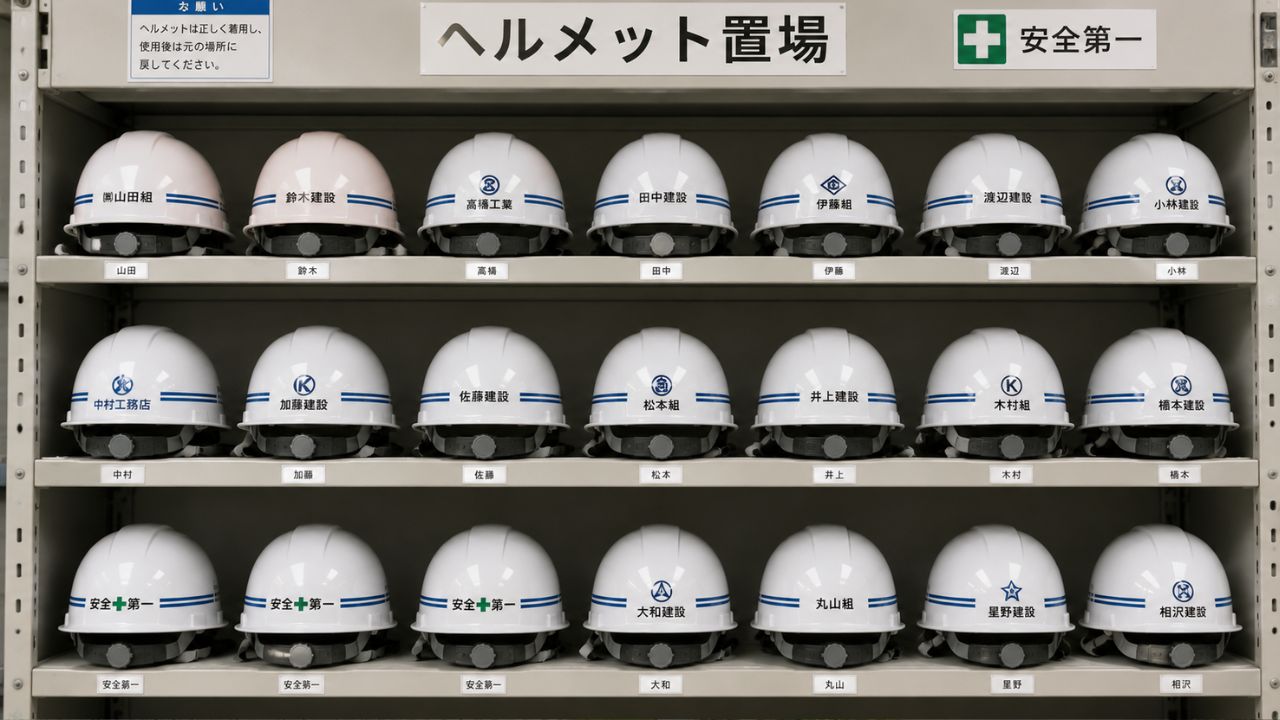
After removing unnecessary items through Seiri, the next step is Seiton. Seiton means arranging things neatly so they are easy to find, use, and return to their proper place. In daily life, people waste a surprising amount of time searching for lost items. Keys, chargers, important documents, and work tools often disappear simply because they do not have a designated place. Seiton teaches that every item should have its own “home.” When everything has a clear place, daily activities become easier and more efficient. You can start practicing Seiton with small areas such as your desk. Keep stationery in one container, organize cables neatly, and store important documents in labeled folders.
Small changes like these can make your workspace feel cleaner and more comfortable. In the kitchen, Seiton can be applied by arranging tools based on how often they are used. Frequently used items should be placed within easy reach. This saves time and makes cooking more enjoyable. In a minimalist lifestyle, Seiton creates spaces that are not only visually clean but also more comfortable to live in. A well-organized environment makes it easier to focus and reduces mental fatigue. Easy ways to apply Seiton:
- Create a dedicated spot for keys and wallets
- Use labels on storage boxes
- Organize clothes by type or color
- Arrange cables neatly
- Sort digital files into clear folders
This principle can also be applied digitally. A messy desktop, overflowing email inbox, or poorly named files can make work more stressful than necessary. Organizing digital spaces improves efficiency and saves time. One of the main ideas behind Seiton is accessibility. The things you need should be easy to find without having to search through multiple places. Seiton also reduces small daily frustrations. Not panicking while looking for your wallet before leaving the house may seem simple, but it can greatly improve your mood. Many people think organization requires a large home or expensive furniture. In reality, Seiton is about structure, not luxury. Even a small space can feel comfortable when it is organized properly. In the long run, Seiton helps build discipline and responsibility. Returning items to their proper place becomes a habit that supports a calmer and more efficient lifestyle.
Seiso: Cleanliness Creates Peace of Mind
Seiso means cleaning and maintaining cleanliness regularly. In the 5S philosophy, cleanliness is not only about appearance but also about caring for your environment and yourself. Many people only clean when their home becomes extremely messy. Seiso encourages maintaining cleanliness consistently so the environment remains healthy and comfortable. In minimalism, cleanliness plays a major role because a clean environment supports mental clarity. Dusty rooms, cluttered desks, or messy bedrooms can negatively affect mood without people realizing it. Practicing Seiso does not require major cleaning sessions. Small habits such as making your bed, washing dishes after eating, or sweeping the floor daily are already part of this principle.
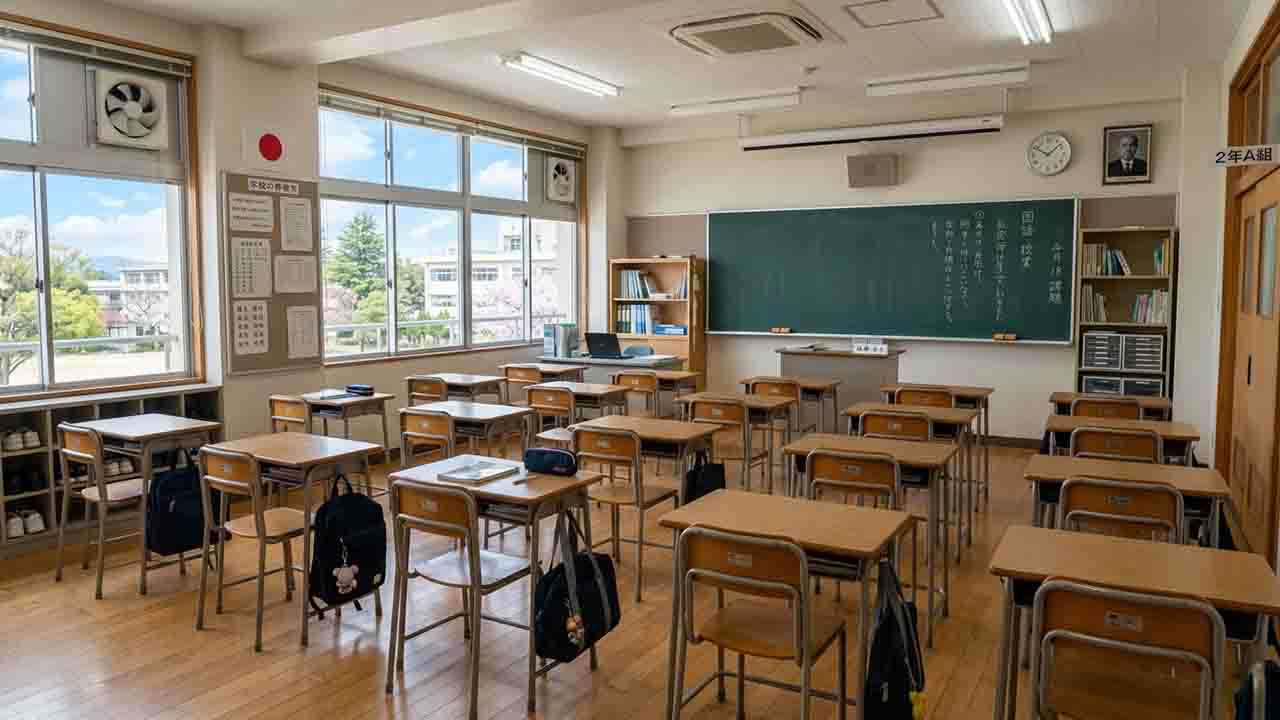
When cleanliness is maintained regularly, housework feels lighter because dirt and clutter do not pile up. Seiso also encourages awareness. While cleaning, people become more aware of broken items, areas that need repair, or habits that create unnecessary mess. In Japanese culture, cleaning is not considered a low-level task. It is seen as part of discipline and respect for shared spaces. That is why many schools in Japan teach students to clean their own classrooms. Simple Seiso habits for daily life:
- Make your bed every morning
- Clean your desk before sleeping
- Wash dishes immediately after meals
- Sweep or vacuum regularly
- Delete unnecessary emails and files
Seiso can also be applied mentally and digitally. Reducing exposure to negative content, limiting screen time, or taking breaks from social media are forms of maintaining mental cleanliness. In today’s digital world, people often feel mentally exhausted because of information overload. Keeping your mind “clean” is just as important as cleaning your home. A clean environment also supports better health by reducing allergies, dust, and other health risks. Additionally, people usually feel more comfortable and productive in clean spaces. Interestingly, cleaning itself can become a calming activity. Sweeping, organizing, or wiping surfaces can help people feel more present and relaxed. Seiso reminds us that happiness does not always come from buying new things. Sometimes, peace comes from living in a clean, simple, and well-maintained environment.
Seiketsu: Maintain Consistency and Healthy Systems
After sorting, organizing, and cleaning, the next principle is Seiketsu. Seiketsu means maintaining standards and consistency so the positive changes you create can last. Many people successfully clean and organize their homes, only to see everything become messy again a few days later. This usually happens because there is no consistent system or routine in place. Seiketsu teaches that lasting change comes from maintaining simple routines consistently. In minimalism, consistency is more important than occasional dramatic changes. Spending fifteen minutes tidying up every evening is often more effective than doing a massive cleanup once a month. You can start practicing Seiketsu by creating small daily rules, such as returning items after using them, washing dishes immediately, or cleaning your desk before bed. These simple habits help maintain order without requiring too much effort. Helpful ways to practice Seiketsu:
- Create a weekly cleaning schedule
- Set a daily time for tidying up
- Use reminders or checklists
- Limit unnecessary items entering the house
- Encourage family members to maintain organization together
Seiketsu is also connected to visual consistency. Labels, storage containers, and schedules can help make routines easier to follow. The same principle can be applied to lifestyle habits, such as maintaining healthy sleep routines, organizing work schedules, or creating a balanced morning routine. One of the biggest challenges in Seiketsu is procrastination. That is why it is important to build systems that are realistic and easy to maintain. Minimalism does not require perfection. The goal is to create a lifestyle that feels lighter and easier to manage. In the long term, Seiketsu creates stability and comfort. Organized environments reduce mental stress and improve quality of life.
Shitsuke: Discipline and Habits for a Better Life
Shitsuke is the final principle of the Japanese 5S method and refers to discipline and habit-building. Once systems are created, Shitsuke ensures that the previous principles continue to work over time. Many people want to live a simpler and more organized life but struggle to maintain it. Usually, the issue is not lack of ability but lack of discipline. Shitsuke teaches that order and simplicity are built through repeated habits. Discipline does not mean living a rigid life. Instead, it means consistently doing things that improve your quality of life. You can begin practicing Shitsuke with small actions, such as making your bed every morning, returning items after use, or spending a few minutes each day cleaning your space. Over time, these habits become automatic rather than feeling like chores. In minimalism, Shitsuke helps people become more intentional with their lifestyle. Impulsive shopping, procrastination, and clutter slowly decrease through consistent self-discipline. Simple habits that support Shitsuke:
- Create morning and evening routines
- Reduce procrastination habits
- Always return items after using them
- Set monthly spending limits
- Reflect on your habits every week
Japanese culture strongly values discipline in everyday life, from respecting time to maintaining public cleanliness. This mindset is one reason why the 5S method works so effectively beyond workplaces. Shitsuke not only creates cleaner spaces but also builds stronger personal character. People who practice discipline often become more focused, responsible, and organized. Interestingly, discipline can actually create freedom. When life is organized, people have more time, energy, and mental space to focus on what truly matters. Shitsuke also teaches patience. Real change does not happen overnight. A better lifestyle is built through small actions repeated consistently. Minimalism is not about having a perfect home or owning almost nothing. It is about creating a life that feels calmer, more intentional, and more meaningful. When combined with Seiri, Seiton, Seiso, and Seiketsu, Shitsuke helps create a lifestyle that feels lighter and more balanced. In the end, Japan’s 5S principles are not just about organizing your home. They are a philosophy for living a simpler, healthier, and more mindful life in an increasingly busy world.
COMMENT

RELATED POST

Shinrin-Yoku: Simplifying Life Through the Calm of the Forest
In Japan, Wasting Things Is Considered Disrespectful to Life - This Is the Philosophy of Mottainai
This Japanese Habit Can Make Life Feel More Peaceful: The Philosophy of Danshari

My First E-Book Is Finally Here! Inspired by My Real Experience Working with Japanese Professionals
Subscribe Me
Get notified when new articles are published