Slow Living & Minimalism | Finding Joy in Less
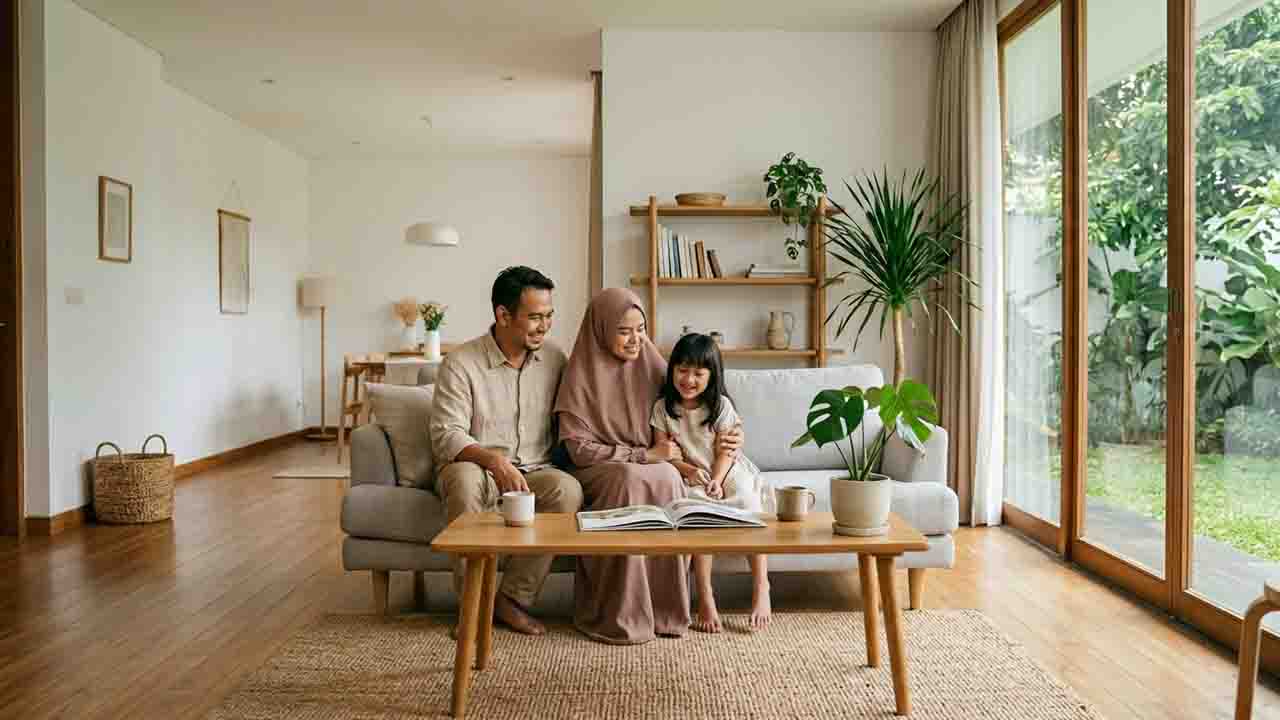
Aydul.com - In today’s fast-paced world, many people feel overwhelmed by busy schedules, constant notifications, and the pressure to always be productive. This modern lifestyle often leads to stress, burnout, and a lack of true fulfillment. As a response, the concept of slow living has gained popularity. Interestingly, slow living is closely connected to minimalism, as both promote a simpler and more intentional way of life.
Minimalism focuses on reducing excess, whether it’s physical possessions, commitments, or distractions, while slow living emphasizes being present and enjoying life at a more relaxed pace. When combined, these two approaches can help create a more balanced, meaningful, and stress-free lifestyle.
What Is Slow Living?
Slow living is a lifestyle philosophy that encourages people to slow down and be more mindful in their daily lives. It’s not about being lazy or unproductive, but about doing things with intention and purpose. Key principles of slow living include:
- Prioritizing quality over quantity
- Being present in the moment
- Reducing unnecessary distractions
- Living more mindfully
By embracing these principles, individuals can experience less stress and greater satisfaction in their everyday routines.
The Connection Between Slow Living and Minimalism
Slow living and minimalism go hand in hand. Both focus on removing what doesn’t truly matter in order to make space for what does. Here are some shared values between the two:
- Eliminating unnecessary clutter (both physical and mental)
- Focusing on meaningful experiences
- Reducing stress and overwhelm
- Living with intention and clarity
Minimalism helps declutter your environment, while slow living helps declutter your time and mindset. Together, they create a powerful foundation for a more peaceful life.
Benefits of a Slow Living Minimalist Lifestyle
Adopting both slow living and minimalism can lead to several practical and emotional benefits.
- Reduced Stress Levels
By slowing down and simplifying your life, you can significantly lower daily stress and anxiety. - Better Financial Habits
You become more mindful of your spending and avoid unnecessary purchases. - Improved Focus and Productivity
With fewer distractions, it’s easier to concentrate on what truly matters. - Higher Quality of Life
Life feels more meaningful, balanced, and enjoyable.
Signs You May Need Slow Living
Many people don’t realize they need a lifestyle change until they feel overwhelmed. Here are some common signs:
- Constantly feeling tired or burned out
- Having a busy schedule with little satisfaction
- Difficulty enjoying free time
- Frequently making impulsive purchases
- Feeling pressured by social expectations
If these sound familiar, it may be time to consider a slow living minimalist approach.
How to Practice Slow Living Daily
You don’t need to make drastic changes overnight. Start small and build consistent habits over time.
- Simplify Your Schedule
Focus only on activities that truly matter or bring value to your life. - Manage Your Time Wisely
Avoid overbooking your day. Leave room for rest and reflection. - Limit Technology Use
Reduce screen time and be more intentional with digital consumption. - Practice Mindfulness
Be fully present in simple activities like eating, walking, or talking to others. - Declutter Your Space
Remove items you don’t use to create a calmer environment.
Real-Life Trends and Data
The rise of slow living and minimalism reflects a growing awareness of mental health and well-being. Here are some notable trends:
- Searches for “minimalist lifestyle” have increased by over 50% in the past five years
- More people are adopting simpler lifestyles to reduce stress
- Digital detox has become a popular movement
- Awareness of mental health is driving lifestyle changes
These trends show that people are actively seeking a more balanced and intentional way of living.
Challenges of Adopting Slow Living
Despite its benefits, transitioning to a slow living minimalist lifestyle can be challenging. Common obstacles include:
- Social pressure to stay busy and productive
- Difficulty breaking old habits
- Consumer-driven environments
- Dependence on technology
However, with patience and consistency, these challenges can be overcome.
Conclusion
Slow living is indeed a part of the minimalist lifestyle, as both share the same goal: creating a simpler, more intentional, and meaningful life. By removing unnecessary distractions, both physical and mental, you can focus on what truly matters. Adopting this lifestyle doesn’t mean sacrificing success or productivity. Instead, it allows you to live more consciously, appreciate the present moment, and achieve a healthier balance in life. Start with small steps, such as simplifying your daily routine or reducing distractions. Over time, these small changes can lead to a big transformation in how you live and experience life.
COMMENT

RELATED POST


Subscribe Me
Get notified when new articles are published