You’re Not Tired, You Just Have Too Much: The Power of Living with Less

What if the life you’ve been chasing more money, more stuff, more success is actually making you feel more overwhelmed instead of fulfilled? Every day, we’re told to upgrade, buy more, and want more. Bigger houses, newer gadgets, fuller schedules. But behind all of that, many people feel tired, distracted, and stuck in a cycle that never truly satisfies. Now imagine the opposite. Imagine waking up in a space that feels calm, not crowded. A mind that feels clear, not overwhelmed. A life where you’re not constantly chasing but actually enjoying what you already have.
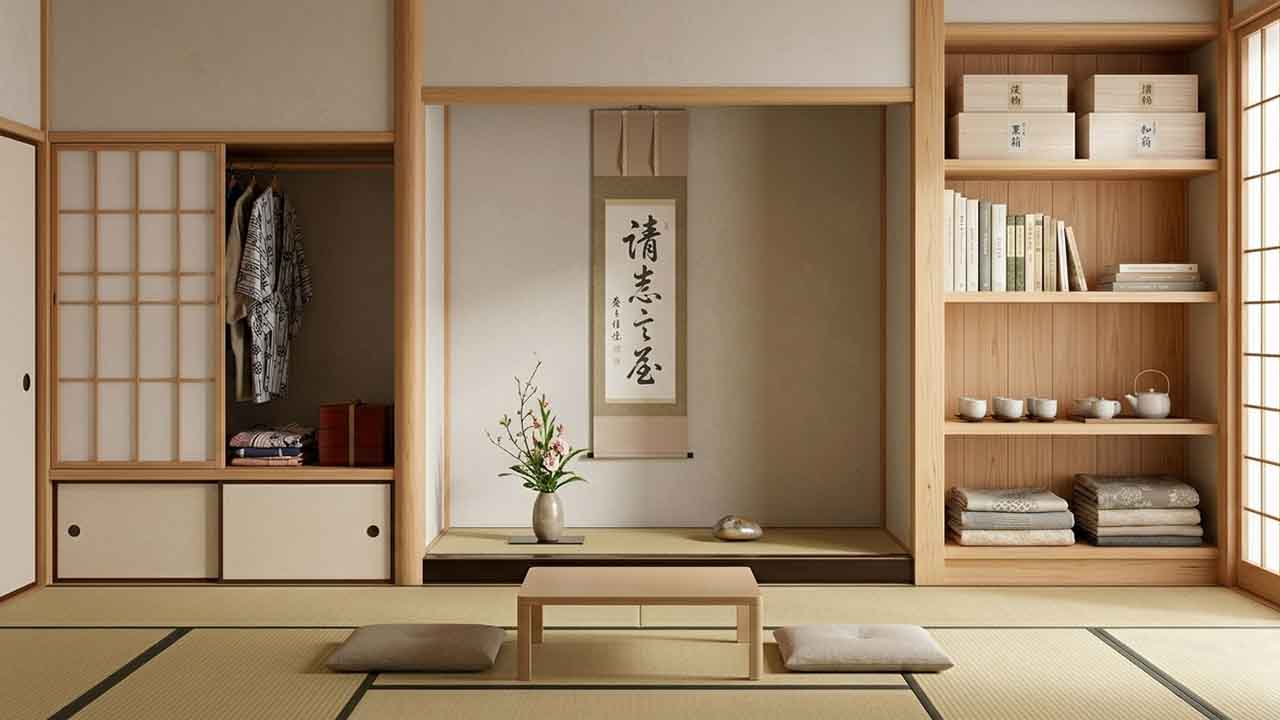
This is the idea behind life with less. It’s not about giving everything up or living with nothing. It’s about removing what doesn’t matter so you can finally focus on what does. More people around the world are starting to realize that having less can actually lead to feeling more more clarity, more freedom, and more peace. And the best part? You don’t need to change your entire life overnight to experience it.
Why Living with Less Is Beneficial
Living with less doesn’t mean living in deprivation. On the contrary, it’s about recognizing that “enough” is already more than sufficient. One of the biggest advantages of this lifestyle is reduced stress. A home filled with unused or unnecessary items often creates hidden mental clutter. Every object demands attention, care, and space. By owning less, we also lighten our mental load. Another benefit is improved focus. A clean and uncluttered environment allows us to concentrate on what truly matters our work, relationships, and personal growth. Many people who adopt minimalism report feeling more productive because they are no longer distracted by excess.
Financially, living with less can be very empowering. When you only buy what you truly need, your spending becomes more intentional. This allows you to save more, invest wisely, or spend on meaningful experiences rather than material goods. Over time, this builds a stronger sense of financial security and freedom. There’s also a significant improvement in overall quality of life. When we stop chasing material possessions, we begin to value experiences, time, and human connection more deeply. Life becomes less about “having” and more about “being.”
Additionally, minimalism has a positive environmental impact. Reducing consumption means less waste and fewer resources used. It’s a small but meaningful step toward a more sustainable lifestyle. Ultimately, living with less is about awareness. It’s about consciously choosing what adds value to your life and having the courage to let go of the rest. It’s not limitation; it’s liberation.
Research on Life with Less
A growing body of research suggests that happiness is not directly tied to how much we own. In psychology, there is a concept known as hedonic adaptation, which refers to our tendency to quickly get used to new things. This means that buying new items only brings temporary happiness before we return to our baseline level of satisfaction. Studies have also shown that cluttered environments can increase levels of stress hormones like cortisol. In contrast, tidy and simple spaces promote a sense of calm and well-being. This helps explain why many people feel more relaxed in minimalist environments. Research on spending habits indicates that experiences tend to bring longer-lasting happiness than material purchases. Spending money on travel, learning, or time with loved ones creates deeper and more meaningful satisfaction.
Minimalism is also linked to better mental health. By reducing distractions, individuals can focus more on self-awareness and personal well-being. This is especially relevant in the digital age, where constant notifications and information overload can lead to anxiety and burnout. From a productivity standpoint, studies show that multitasking and visual distractions reduce efficiency. A simplified environment allows the brain to process information more effectively and perform better. Moreover, the concept of life with less aligns closely with sustainability research. Overconsumption is one of the major contributors to environmental damage. By consuming less, individuals can reduce their ecological footprint while improving their own quality of life. In short, minimalism is not just a lifestyle choice driven by aesthetics or trends. It is supported by research showing real benefits for mental health, happiness, productivity, and the environment.
Simple Ways to Practice Life with Less
Adopting a life with less mindset doesn’t require drastic changes. Small, consistent actions are often more effective and sustainable. Here are some simple ways to get started:
- Declutter regularly: Go through your belongings and remove items you haven’t used in the past year. Donate or sell what you no longer need.
- Practice mindful buying: Before purchasing something, ask yourself if it’s truly necessary or just an impulse.
- Simplify your wardrobe: Try a “capsule wardrobe” with versatile, essential clothing pieces.
- Limit social media use: Reduce screen time to avoid unnecessary distractions and comparisons.
- Prioritize experiences: Spend more on activities and memories rather than physical items.
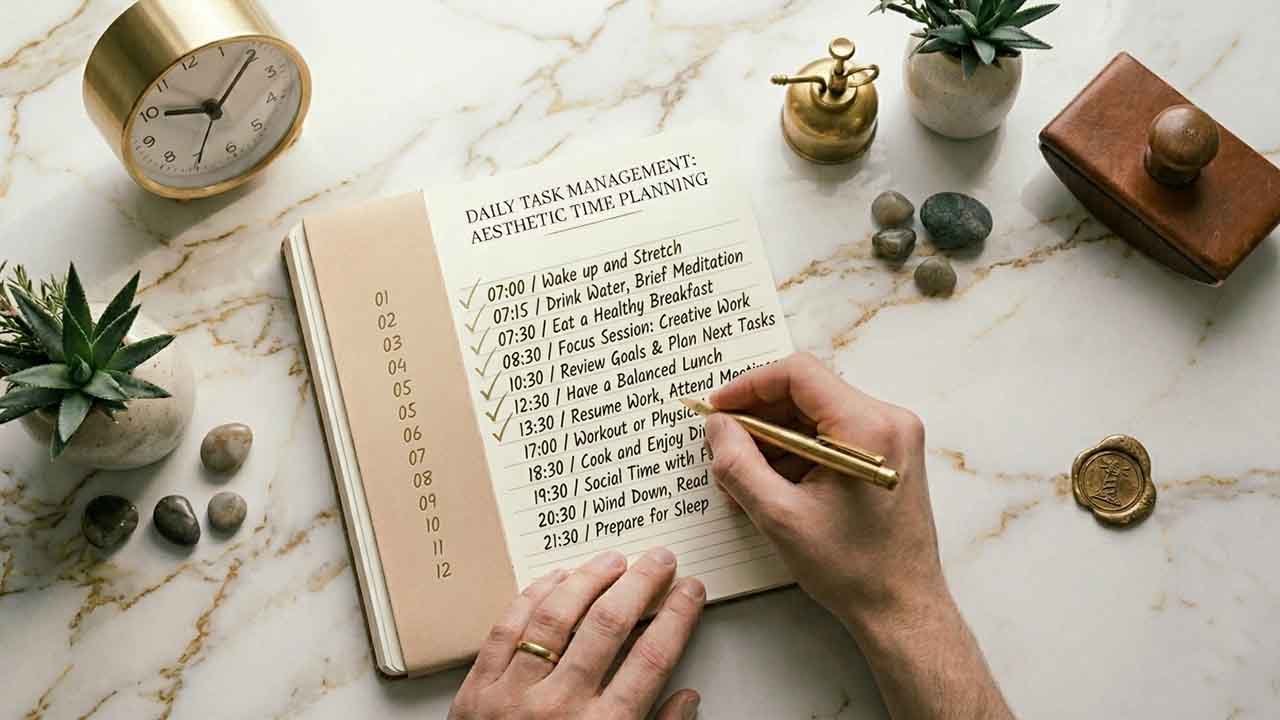
- Simplify your schedule: Avoid overcommitting and leave room for rest and reflection.
- Organize your workspace: Keep your desk clean to improve focus and productivity.
- Reduce notifications: Turn off non-essential alerts to minimize interruptions.
- Cook at home: It’s more cost-effective and helps you maintain a healthier lifestyle.
- Keep what matters: Hold onto items that serve a clear purpose or have meaningful value.
It’s important to remember that minimalism is not about strict rules or numbers. It’s about finding a balance that works for your lifestyle. What feels minimal for one person may not be the same for another. Starting small makes the transition easier and more sustainable over time.
Key Principles to Apply
To consistently live a life with less, there are several important principles to keep in mind.
- First is awareness. Without awareness, it’s easy to fall back into old consumption habits. Make it a habit to ask, “Do I really need this?” before making decisions.
- Second is consistency. Minimalism is not a one-time change but a long-term process. There will be moments of temptation to accumulate more, and consistency is what keeps you on track.
- Third is prioritization. Identify what truly matters in your life whether it’s family, health, career, or financial freedom. Knowing your priorities makes it easier to say no to things that don’t align with them.
- Fourth is letting go. Many people struggle with minimalism because of emotional attachment to possessions. Learning to let go is a crucial step. Remember that memories live within you, not in objects.
- Fifth is avoiding perfectionism. Minimalism is not about having a picture-perfect home. It’s about creating a life that feels lighter and more intentional. Progress matters more than perfection.
- Sixth is building small habits. Big changes come from consistent small actions, like decluttering one area at a time or reducing one unnecessary expense.
- Seventh is reflection. Take time to evaluate whether your lifestyle aligns with your values. This helps you stay intentional and adjust when needed.
- Finally, remember that minimalism is a tool, not the end goal. The true goal is a more meaningful, peaceful, and fulfilling life
COMMENT

RELATED POST


Subscribe Me
Get notified when new articles are published