Why Japan Is Always Clean and Disciplined: It’s Taught from an Early Age
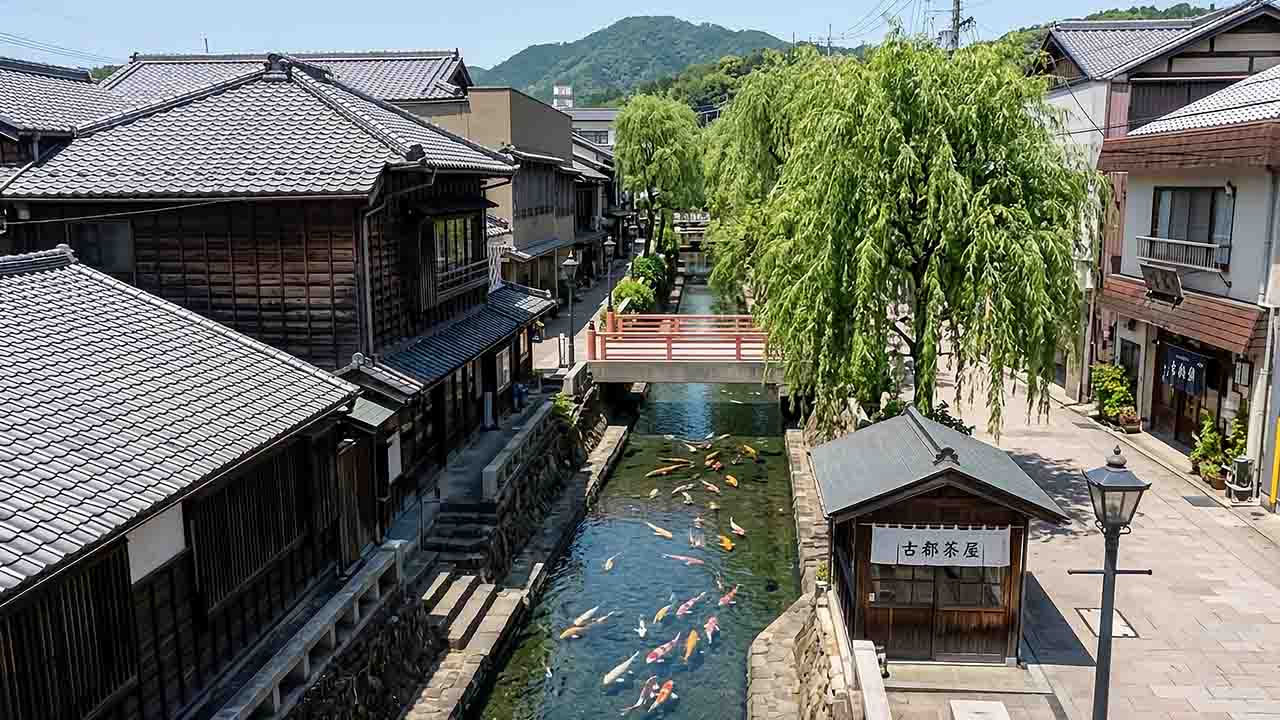
Aydul.com - Japan often draws global attention for its citizens' extraordinary level of tidiness, discipline, and sense of responsibility. From litter-free streets, punctual public transportation, to orderly queues, all reflect a deeply ingrained value system. Many people ask: how can Japanese society consistently develop such character traits? The answer, it turns out, isn't instantaneous or quick.
All of this is formed from childhood through education, environment, and daily habits. It's these habits that the author is very interested in discussing. This article will explore in depth the factors that shape Japan's culture of tidiness and discipline, using an approach based on real-life experiences, social observations, and educational principles that can be traced and understood rationally. Let's get straight to the point.
1. Character Education Starts at an Early Age
In Japan, education is not solely focused on academics. The primary emphasis is on character development from an early age. Children are taught essential values such as:
- Responsibility
- Cooperation
- Respect
- Self-discipline
Interestingly, the concept of moral education (Dōtoku) is an official part of the school curriculum. Children are not only told what is right or wrong but are also guided to understand why certain behaviors matter to society. For example, children are taught that littering is not just wrong it harms others and creates shared discomfort. This approach builds empathy rather than mere obedience. In the long term, this has a significant impact, which is one of the reasons Japan is known as one of the cleanest countries in the world.
2. No Janitors in Schools
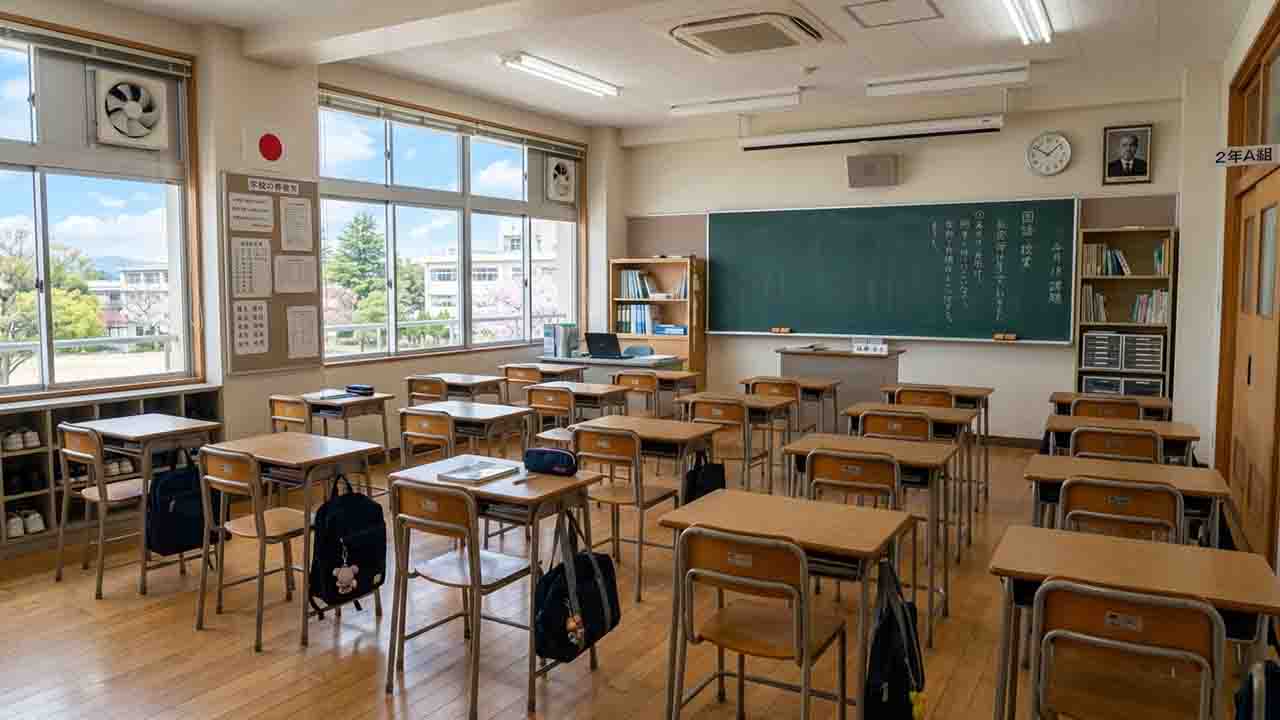 Image by Aydul.com - Gemini AI
One of the most memorable practices in Japan is that students clean their own schools. This activity is called osoji. Every day, students:
- Sweep classrooms
- Mop floors
- Clean toilets
- Wipe desks and windows
Interestingly, there are no dedicated janitors for these tasks in most public schools. Teachers also participate not as supervisors, but as role models. Through this practice, children learn:
- To respect their environment
- Not to depend on others
- That cleanliness is a shared responsibility
The long-term effect is powerful. As adults, they naturally maintain cleanliness wherever they go even in public spaces without supervision. This is one of the reasons Japan has become a global inspiration for cleanliness and minimalism.
3. A Strong Culture of Shame
One key factor behind Japan’s discipline is its strong culture of shame. From a young age, children are taught to consider how their actions affect others. They are not only taught what is right or wrong but also how to maintain the comfort and feelings of people around them. For instance, if a child creates a mess in public, the feeling of shame doesn’t only come from being scolded, but from the awareness that their actions disturb others. This creates a habit of behaving properly in public spaces. Unlike fear-based discipline, social control in Japan largely comes from within. Children grow up understanding that they are part of a community, and maintaining order is a shared responsibility.
4. Leading by Example from Adults
Children learn not only from what they are told, but from what they see. In Japan, adults set clear and consistent examples in daily life. Parents, teachers, and society demonstrate discipline through actions such as:
- Being punctual
- Disposing of trash properly
- Queuing in an orderly manner
Because children observe this consistently, they see it as the normal standard of behavior. There is no contradiction between what is taught and what is practiced. This is what makes character education in Japan highly effective. Discipline is not seen as an obligation, but as a natural part of life.
5. Respecting Time from an Early Age
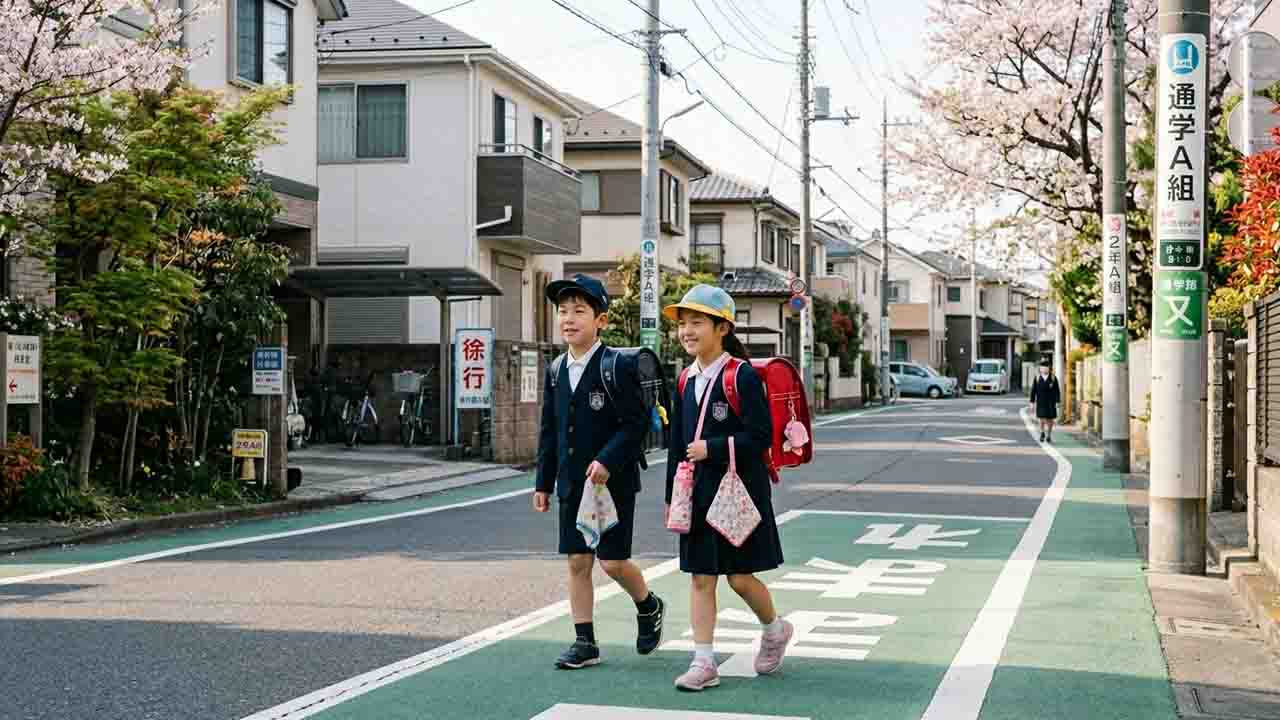 Image by Aydul.com - Gemini AI
In Japan, time is highly valued. Children are taught punctuality from a very young age, whether it’s arriving at school, attending activities, or completing tasks. Being late is seen as both a lack of discipline and a sign of disrespect toward others. Therefore, children are trained to manage their time well. Even daily routines such as lunchtime or class transitions are strictly scheduled. This habit builds individuals who are efficient and responsible with their time.
6. Practicing Independence in Daily Life
Japanese children are encouraged to be independent from an early age. Many are used to going to school on their own, using public transportation, and managing their personal needs without heavy reliance on parents. This independence builds responsibility and self-confidence. Children learn to face real-life situations, make decisions, and understand the consequences of their actions. They are also taught not to depend excessively on others. This creates individuals who are not only disciplined but also resilient and adaptable.
7. An Education System That Prioritizes Values Over Academics
Unlike many countries that focus heavily on academic achievement, Japan’s education system places strong emphasis on character building. In schools, students don’t just learn math or language, they also learn values such as Cooperation, Responsibility, Respect. Group activities are a key part of the learning process. Through teamwork, students learn to appreciate others and contribute collectively. They are taught that success is not only about individual achievement, but also about how well they work with others.
8. Discipline in Small Things
What makes Japan appear so orderly is not necessarily strict major rules, but consistency in small habits. For example:
- Sorting trash properly
- Taking off shoes before entering rooms
- Maintaining public facilities
These may seem like small actions, but when practiced consistently by an entire society, the impact becomes significant. Children are trained to do these small things every day. Over time, these habits become part of their identity.
9. A Strong Sense of Environmental Responsibility
From a young age, Japanese children are taught that the environment is a shared responsibility. They don’t see cleanliness as someone else’s job, but as a personal duty. This is reflected in habits like taking their trash home if they cannot find a bin. They avoid littering because they understand that even small actions have an impact on the environment. This awareness is one of the reasons why Japan remains clean, even though public trash bins are relatively limited.
10. Moral Education as Part of the Curriculum
In Japan, moral education is not just theoretical, it is a structured part of the school curriculum. There are dedicated sessions where students learn about ethics, empathy, and life values. These lessons are often delivered through storytelling, discussions, and reflection. The goal is not only for students to understand moral concepts but also to apply them in daily life. With this approach, children don’t just know what is right, they understand why it is right.
The cleanliness and discipline of Japanese society are not built instantly. They are the result of a long process that begins in early childhood. From character education and daily cleaning habits to the consistent reinforcement of responsibility and respect, everything is taught and practiced continuously. Children are not only given theories, they are trained to apply them every day. This is what makes discipline in Japan not just a set of rules, but a living culture embedded in society. If other countries want to replicate this success, the key is not strict regulations, but consistency in building habits from an early age.
COMMENT

RELATED POST



Subscribe Me
Get notified when new articles are published