You Don’t Know Your Life Purpose? IKIGAI Can Change That

Aydul.com - In a world that keeps getting louder with constant notifications, endless demands, and the pressure to always want more, many people begin to feel lost. Life moves fast, yet it often feels empty. We own more things than ever, but still feel like something is missing. This is where the need to return to something essential begins a simpler, more mindful, and more meaningful way of living. One concept that helps people rediscover meaning in life is ikigai. This Japanese philosophy refers to the reason you wake up in the morning, the sense of purpose that makes life feel worth living. Ikigai can be broken down into four main elements: what you love, what you are good at, what the world needs, and what you can be paid for. When these four areas come together, they create a balanced and meaningful life. On the other hand, minimalism offers a practical way to simplify your life so you can focus on what truly matters. When ikigai and minimalism are combined, they form a powerful foundation for living a life that feels lighter, clearer, and more intentional.
What You Love (Passion)
Everyone has something that sparks joy within them. It’s that activity where time seems to disappear, and you feel fully alive while doing it. That is your passion. However, in modern life, passion is often buried under responsibilities, routines, and social expectations. Many people spend their days doing things they don’t truly enjoy, simply because they feel they have to. Minimalism helps you step back and remove unnecessary distractions. By cutting down on activities, commitments, and even possessions that don’t add value, you create space to reconnect with yourself. You begin to ask an important question: what genuinely makes me happy? Here are a few simple ways to recognize your passion:
- Activities that make you lose track of time
- Things you would do even without getting paid
- Moments when you feel excited and energized
- Topics or skills you naturally want to explore
Your passion doesn’t have to be something big or impressive. It can be as simple as writing, cooking, designing, or helping others. What matters is how it makes you feel. Minimalism gives you the time and energy to rediscover these things.
What You Are Good At (Profession)
Loving something is not enough. Ikigai also requires skill. What you are good at is what allows your passion to grow into something real and valuable. Many people struggle with this because they constantly compare themselves to others. Social media often makes it worse, showing only the highlights of other people’s lives. This can create self-doubt and make you feel like you’re not good enough. Minimalism encourages you to focus inward instead of outward. Instead of comparing, you focus on improving your own abilities step by step. Here are a few ways to develop your skills effectively:
- Focus on one or two key strengths
- Practice consistently, even in small amounts
- Reduce distractions like excessive scrolling
- Reflect on your progress and keep improving
When you simplify your life, you create more time to learn and grow. Over time, your skills become stronger, and your confidence increases. This is where passion begins to align with competence.
What the World Needs (Mission)
Ikigai is not only about personal happiness. It also involves contributing to something beyond yourself. The world always needs something, and each person has a unique way of giving value. Many people think they need to do something huge to make a difference. In reality, small actions can have a meaningful impact when done consistently. Minimalism helps you become more aware of your surroundings. When you are no longer overwhelmed by personal wants, you become more sensitive to the needs of others. Here are some simple ways to contribute:
- Help others using your skills
- Share knowledge or experiences
- Create something useful or meaningful
- Be a positive presence in your community
When you contribute, you experience a deeper kind of satisfaction. It’s not about recognition or money, but about knowing that what you do matters. This is a key part of finding true meaning in life.
What You Can Be Paid For (Vocation)
Of course, we all need to earn a living. That’s why ikigai also includes the ability to generate income from what you do. The problem is, many people work only for money without considering passion, skill, or purpose. This often leads to burnout and dissatisfaction. Minimalism helps you rethink your relationship with money. Instead of chasing more, you learn to value enough. When your needs are simpler, you gain more freedom to choose work that aligns with your values. Here are a few ways to connect your work with income:
- Turn your hobbies into opportunities
- Improve your skills to increase value
- Look for work that matches your interests
- Build income gradually over time
When passion, skill, contribution, and income come together, you begin to experience ikigai in a real way. Work no longer feels like a burden, but becomes part of a meaningful life.
Bringing Ikigai and Minimalism Together
The four elements of ikigai are deeply connected, but it’s hard to see that connection when life is cluttered. This is where minimalism becomes essential. By removing what doesn’t matter, you create space for clarity. You can think more clearly, feel more deeply, and make better decisions about your life. Minimalism is not about having less for the sake of it. It’s about making room for what truly matters. It allows you to live more intentionally instead of just going through the motions.
Challenges Along the Way
Living with ikigai and minimalism is not always easy. Society often pushes us to have more, achieve more, and compare ourselves with others. Choosing a simpler life can feel uncomfortable at first. You may question your decisions or feel like you’re falling behind. But in reality, you are just choosing a different path. This journey is not about perfection. It’s about awareness and progress. You don’t have to figure everything out at once. Small steps are enough.
Closing Thoughts
Ikigai and minimalism complement each other beautifully. Ikigai gives you direction, while minimalism gives you space. Together, they help you build a life that feels meaningful and balanced. By understanding what you love, what you are good at, what the world needs, and what you can be paid for, you begin to shape a life with purpose. In the end, life is not about how much you own, but how deeply you live. Ikigai is not a destination, but a journey one that grows and evolves over time. And perhaps, in that simplicity, you will finally find the meaning you’ve been searching for.
COMMENT

RELATED POST

This Japanese Habit Can Make Life Feel More Peaceful: The Philosophy of Danshari

Zanshin: The Martial Arts Philosophy of Staying Alert Yet Relaxed
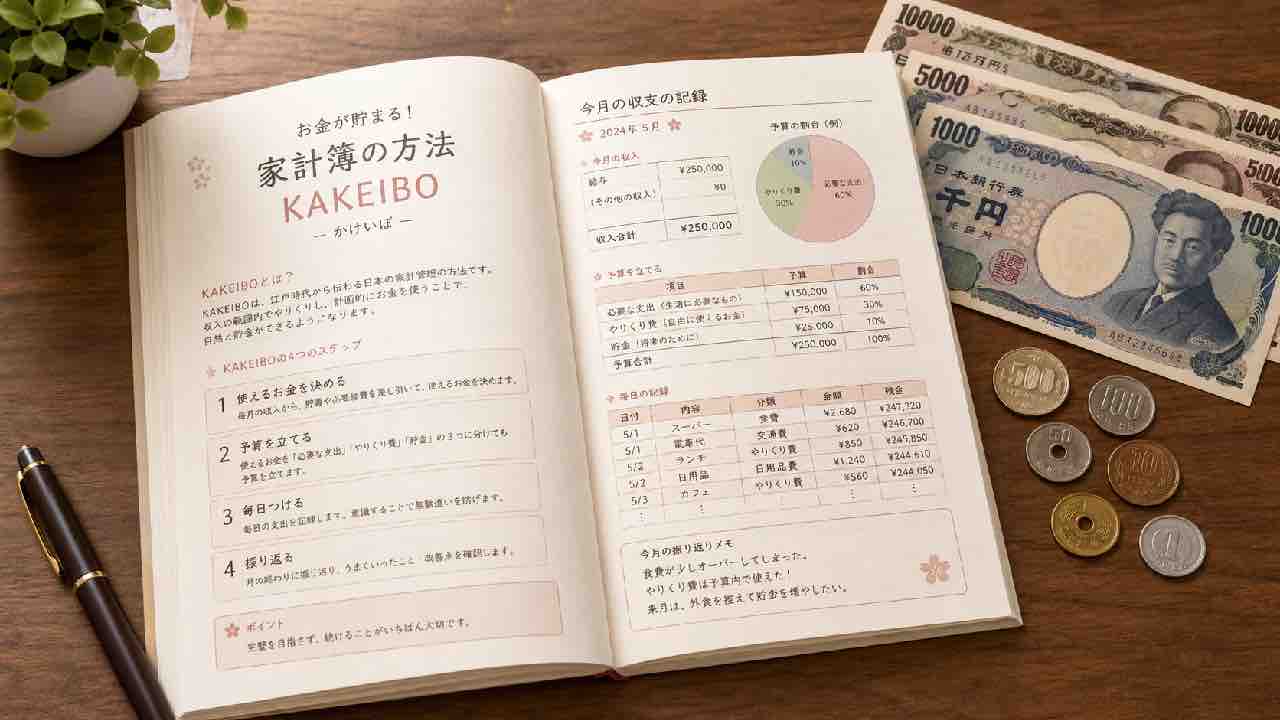
Why Are Japanese People Rarely Wasteful? It Turns Out They Have the Kakeibo Method

My First E-Book Is Finally Here! Inspired by My Real Experience Working with Japanese Professionals
Subscribe Me
Get notified when new articles are published