After Learning OSOJI, I Finally Understand Why Japanese Homes Feel So Peaceful
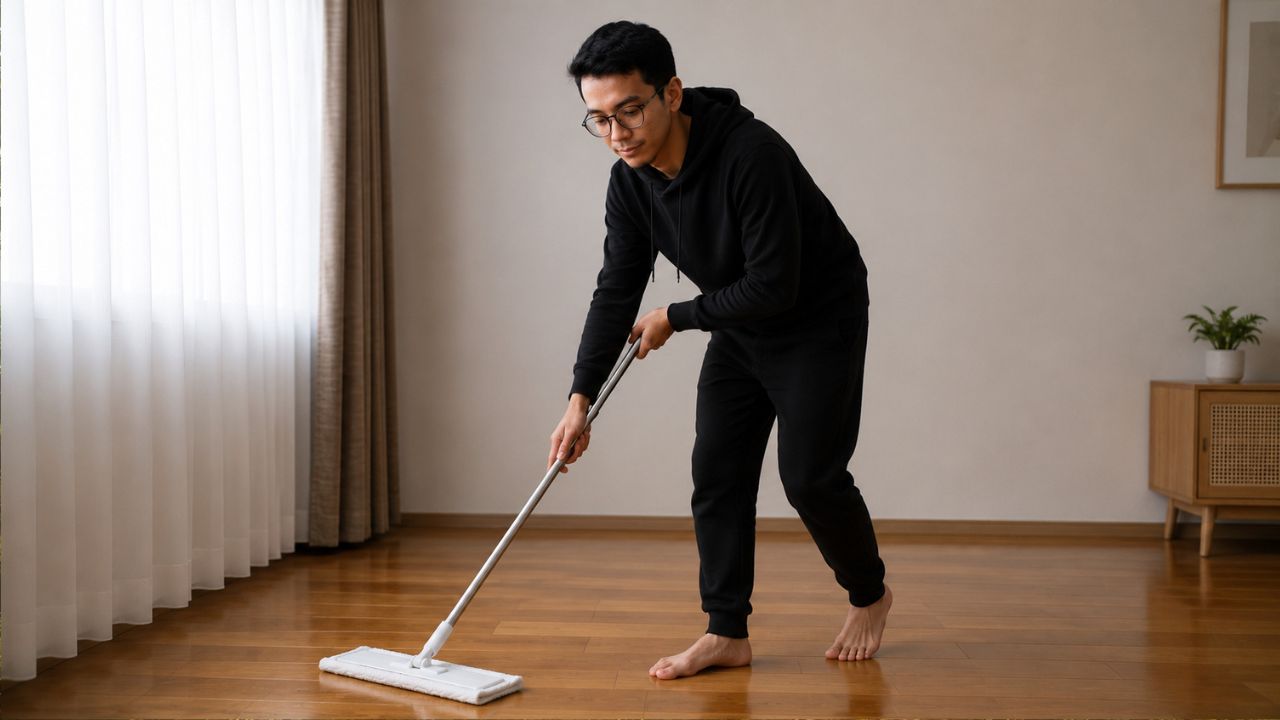
Aydul.com - Hi minimalist friends! I’m still continuing the discussion about the e-book I’m working on, and yes, it’s still all about Japanese minimalism! This time, I want to talk about a philosophy related to total cleaning that is often practiced by Japanese people, called OSOJI. Alright, let’s jump right into it!
What is OSOJI?
After watching and learning about OSOJI from TAIGU ZEN’s YouTube channel, I immediately thought, “Oh, so this is one of the reasons why Japan always looks clean and organized.” OSOJI itself is a traditional large-scale cleaning activity from Japan that is usually done before the end of the year.
The word:
Ō (大) means big
Sōji (掃除) means cleaning
How OSOJI is Practiced
OSOJI is commonly practiced at homes, schools, offices, places of worship, and many other places. The purpose is to cleanse ourselves from negative things and welcome the new year with a fresher, more comfortable, and more positive atmosphere. Interestingly, OSOJI can also be connected to 3 principles from the Japanese 5S philosophy.
- SEIRI (Sort) - the activity of sorting items and separating things that are still needed from things that are no longer used. The main purpose of Seiri is to reduce clutter so the environment feels more spacious, neat, and comfortable. By applying Seiri, people can work more efficiently because they are not distracted by unnecessary items. Example: Organizing stationery based on type and labeling each storage drawer.
- SEITON (Set in Order) - the activity of arranging items neatly and systematically so they are easy to find when needed. In this concept, every item should have a clear storage place. Seiton helps save time, increase productivity, and create a more comfortable environment. Example: Arranging stationery based on type and labeling each drawer.
- SEISO (Shine or Cleanliness) - the activity of routinely cleaning the workplace or living space to keep it clean and healthy. This concept emphasizes the importance of cleanliness in creating a comfortable atmosphere and improving motivation. Seiso also helps prevent equipment damage and maintain a healthy environment. Example: Cleaning the work desk and sweeping the room after use.
I got these 3S explanations from TAIGU ZEN’s YouTube channel, and honestly, these three principles really do play a huge role in OSOJI. If you want to know more about the 5S philosophy, you can also check out my article: How the Japanese Use 5S to Live a More Peaceful Daily Life.
Common Activities During OSOJI
When doing OSOJI, Japanese people usually clean the house thoroughly from top to bottom. Here are some common activities usually done during OSOJI at home:
- Cleaning the Entire House
Every corner of the house is cleaned in detail, from floors, walls, ceilings, to areas that are rarely reached. - Washing Windows and Curtains
Windows, glass, and curtains are cleaned to make the house feel brighter and fresher. - Decluttering or Throwing Away Unused Items
Old items that are damaged or no longer used are usually thrown away or donated. - Cleaning the Kitchen and Bathroom
The kitchen and bathroom become the main focus because they are used every day. - Reorganizing the Rooms
After everything is clean, the rooms are rearranged to look neater and feel more comfortable.
OSOJI activities are usually done together with family members, creating togetherness and good teamwork. No wonder Japan always looks organized and clean; you can really see how the people help and support each other.
Benefits We Can Learn From OSOJI
Lastly, OSOJI has many benefits in everyday life, both for environmental cleanliness and mental health. By doing OSOJI, homes or workplaces become cleaner, tidier, and more comfortable, allowing activities to be done with better focus and productivity. In addition, OSOJI can also reduce stress because an organized atmosphere helps the mind feel calmer and more relaxed. This habit also trains discipline, responsibility, and the ability to sort items that are still useful from those that are no longer needed.
In Japanese culture, OSOJI is believed to bring positive energy and become a way to start something new with a fresher and more enjoyable atmosphere. Alright, that’s all for this discussion about OSOJI! If you found this article helpful, feel free to share it on your social media so more people can benefit from it too. You can also read other articles on Aydul.com, where you’ll definitely find many more useful articles. That’s all from me, and for the references used in this article, you can check the links and book below.
Book: The 5S’s: Five Keys to a Total Quality Environment - Takashi Osada
Source: https://youtu.be/QWXfL75kiy0?si=a3KPD-QDRWlt1E9Y
Source: https://youtu.be/Uz8EDbFHpBA?si=1V9CHw3CnVC7pJQ4
COMMENT

RELATED POST


Subscribe Me
Get notified when new articles are published