Why Is Japan Always So Clean and Organized? Minimalist Tips from Japanese People
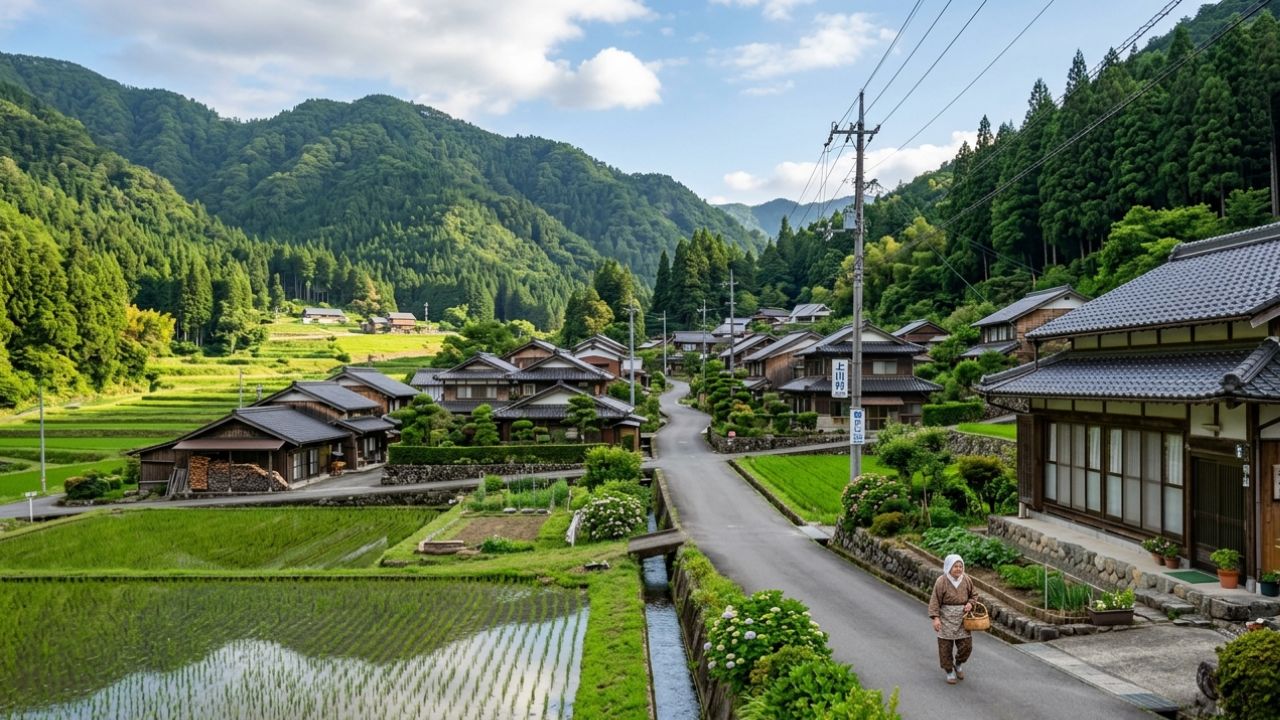
Aydul.com - Have you ever wondered why Japan always looks so clean, calm, and perfectly organized—even in busy public places? Streets are spotless, homes feel peaceful, and everything seems to run smoothly without chaos. Surprisingly, it’s not because of expensive systems or strict rules alone. It comes down to simple daily habits and a minimalist mindset that anyone can learn. The best part? You don’t need to live in Japan to start applying these habits in your own life.
1. Discipline and Responsibility Start at an Early Age
One of the main reasons Japan is so clean and organized is because discipline is taught from a very young age. In Japan, education is not only about academic success but also about building strong character, especially responsibility and respect for the environment. In schools, students clean their own classrooms, hallways, and even bathrooms. There are no janitors responsible for daily cleaning. Instead, children are taught that keeping their environment clean is part of their duty. This practice helps them develop a strong sense of ownership and awareness. As they grow older, this mindset becomes a natural part of their daily life. They carry these habits into adulthood, whether at home, at work, or in public spaces. Cleanliness is not seen as a chore, but as a shared responsibility.
Japanese people also have a deep respect for others. They understand that a clean and organized space creates comfort for everyone, not just themselves. This is why public places like trains, parks, and streets remain clean even when there are very few trash bins. Discipline is also reflected in other areas, such as punctuality, orderly lines, and following rules. These habits work together to create a structured and harmonious society. The key takeaway here is simple: start small and stay consistent. Building habits like cleaning up after yourself or organizing your space daily can make a big difference over time.
2. Minimalism: Living with Only What You Need
Japanese people are well known for their minimalist lifestyle. Instead of measuring happiness by how many things they own, they focus on the value and function of each item. Homes in Japan are often small, which encourages people to be more selective about what they keep. Every item must serve a purpose. If something is no longer useful or meaningful, it is usually removed. This approach creates a clean and open living space. Without unnecessary clutter, homes feel more peaceful and easier to maintain. A simple environment also helps clear the mind, making it easier to focus and relax.
Another important habit is regularly reviewing belongings. People often check what they own and decide what is still needed. Items that are no longer used may be donated or discarded responsibly. Minimalism also affects how people shop. Instead of buying things impulsively, they choose quality over quantity. They prefer items that last longer and truly add value to their lives. If you want to try this lifestyle, start by reducing unnecessary items in your space. You don’t have to do it all at once. Take small steps, and over time, you’ll notice how much lighter and more organized your life feels.
3. Clean a Little, but Do It Every Day
Another key habit in Japan is cleaning regularly in small amounts. Instead of waiting for things to get messy, people clean a little every day. For example, after cooking, they clean the kitchen right away. After using something, they return it to its place. These small actions prevent clutter from building up. Daily habits like wiping surfaces, sweeping the floor, or organizing items may seem simple, but they have a powerful effect. The home stays clean all the time without needing long, exhausting cleaning sessions.
This habit also supports better health. A clean environment reduces dust, germs, and stress. Mentally, a tidy space helps people feel calmer and more focused. To start, you can set aside 10–15 minutes each day for cleaning. Focus on one small area at a time. The goal is not perfection, but consistency. Over time, these small efforts will become part of your routine. You’ll notice that keeping your space clean becomes easier and more natural.
4. Smart Use of Space: Functional and Efficient Living
Space in Japan is often limited, especially in big cities. However, this limitation has led to very smart and creative use of space. Furniture is often designed to serve multiple purposes. Beds can be folded, tables can be stored away, and storage units are built with hidden compartments. This makes it easier to keep spaces neat and flexible. Vertical storage is also commonly used. Walls are used for shelves or hooks, which helps save floor space. This creates a more open and organized feel, even in small homes.
Good space management also makes daily life more efficient. When everything has its own place, it is easier to find and return items. This reduces stress and saves time. To apply this idea, you can start by organizing your space more thoughtfully. Use storage boxes, shelves, or multifunctional furniture. Avoid piling things up without a system. With better space management, even a small area can feel comfortable, clean, and well-organized.
5. A Simple Mindset: Focusing on Quality of Life
At the core of Japan’s cleanliness and organization is a simple but powerful mindset. People focus more on quality of life rather than owning many things. They value calmness, balance, and simplicity. Instead of chasing trends or material possessions, they aim for a peaceful and meaningful life. This mindset helps them feel satisfied with what they have. By living with enough—not too much they reduce stress and create a more balanced lifestyle.
A Japanese resident once said, “Living simply helps us feel content more easily.” This reflects a way of thinking that prioritizes inner peace over external excess. With this mindset, life becomes lighter and more intentional. People spend less time worrying about unnecessary things and more time enjoying what truly matters. Minimalism is not just about reducing physical items. It is also about simplifying your thoughts, priorities, and daily habits. When you do that, a clean and organized life will naturally follow.
COMMENT

RELATED POST


Subscribe Me
Get notified when new articles are published