Japan and the Art of Minimalist Living that Inspires the World
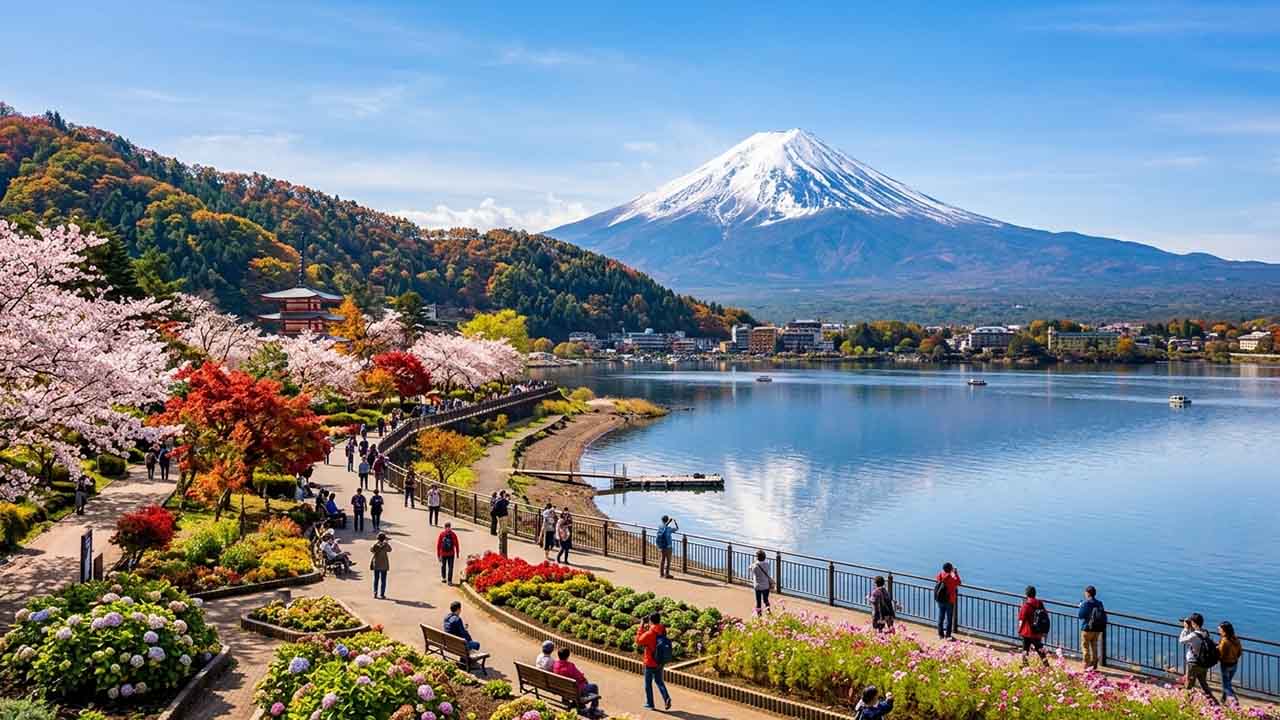
Aydul.com - When discussing modern lifestyles, many people associate progress with abundance, more products, more choices, and more consumption. However, Japan presents a different narrative. As one of the most developed nations in the world, Japan demonstrates that true sophistication does not always come from having more, but from knowing what to keep and what to let go. Its minimalist lifestyle has become a global inspiration, offering a refreshing alternative to the culture of excess.
Minimalism as a Way of Thinking
In Japan, minimalism is not just about decluttering physical space, it is a mindset. It begins with awareness, understanding what is necessary and what is not. This perspective is deeply influenced by traditional values that emphasize balance and harmony. Instead of filling life with distractions, Japanese culture encourages individuals to focus on essentials that bring genuine value. A strong foundation of this thinking comes from Wabi-sabi, a philosophy that appreciates simplicity and the natural cycle of growth and decay. Rather than chasing perfection, people are taught to find beauty in ordinary, imperfect things. This creates a more peaceful relationship with both possessions and life itself, reducing the constant pressure to upgrade or replace.
Designing Space for Clarity
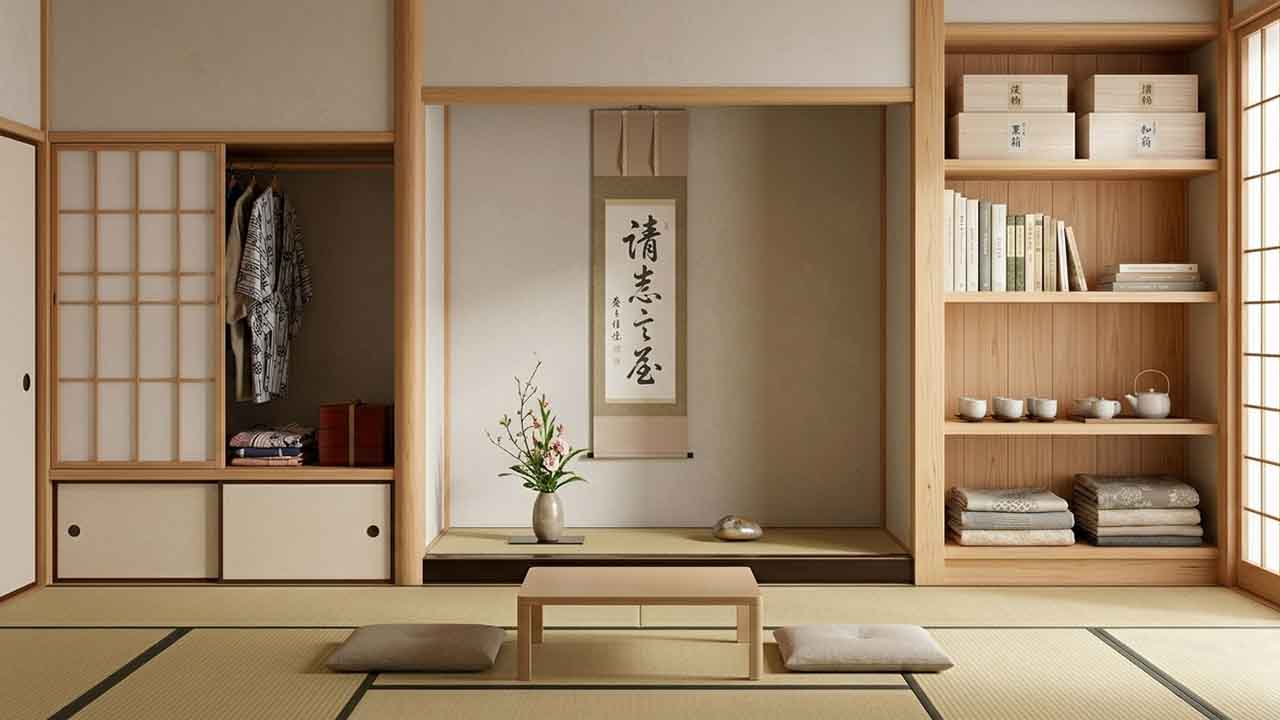
One of the most visible expressions of Japanese minimalism is in its living spaces. Homes are designed to feel open, flexible, and calming. Rooms often serve multiple purposes, and furniture is kept to a minimum. Natural light, neutral tones, and simple materials dominate the design, creating a sense of quiet elegance. This approach is not only aesthetic but also practical. A simplified environment helps reduce distractions and allows individuals to think more clearly. In a world filled with constant noise and information, such spaces offer a rare sense of mental relief. The idea is simple, when your surroundings are calm, your mind can be calm too.
Intentional Living in Daily Habits
Minimalism in Japan is reflected in everyday routines. People tend to be mindful of how they use their time, energy, and resources. This can be seen in small but meaningful actions, such as keeping spaces clean, organizing belongings neatly, and avoiding unnecessary waste. The concept of Ikigai plays an important role here. By having a clear sense of purpose, individuals are less likely to be distracted by things that do not contribute to their well-being. Instead of chasing trends or material possessions, they focus on activities and relationships that provide long-term satisfaction. This intentional approach extends to how people interact with others. Respect, patience, and consideration are highly valued, creating a more harmonious social environment. Minimalism, in this sense, is not just about objects, it is also about simplifying emotions and priorities.
A Different Approach to Consumption
While Japan is a major player in the global economy, its cultural values encourage thoughtful consumption. Rather than buying frequently, many people prefer to invest in high-quality items that last longer. This mindset reduces waste and promotes sustainability, making minimalism both practical and environmentally responsible. Craftsmanship is highly respected, and products are often designed with longevity in mind. Whether it is a piece of clothing, a kitchen tool, or a household item, there is a focus on durability and functionality. This approach contrasts sharply with fast consumer culture, where items are quickly replaced and easily discarded. Food culture also reflects this philosophy. Meals are prepared with care, focusing on balance, nutrition, and presentation. Instead of excess, there is an emphasis on portion control and appreciation. This not only supports physical health but also encourages mindfulness during everyday activities.
Why the World is Inspired
The global appeal of Japanese minimalism lies in its simplicity and adaptability. In an era where many people feel overwhelmed by clutter, both physical and mental, Japan offers a solution that feels achievable and meaningful. It does not require drastic changes, but rather small, consistent shifts in perspective. People around the world are beginning to realize that more possessions do not necessarily lead to more happiness. In fact, they can often create stress and distraction. By adopting a minimalist approach, individuals can regain control over their lives, focusing on what truly matters. Japan’s example shows that minimalism is not about restriction, it is about freedom. Freedom from unnecessary pressure, freedom from excess, and freedom to live with intention. This message resonates strongly in today’s fast-paced world.
Conclusion
The minimalist lifestyle of Japan is a powerful reminder that simplicity can coexist with progress. Through philosophies like Wabi-sabi and Ikigai, Japan teaches us to value meaning over material, and purpose over excess. As more people seek balance in their lives, the art of minimalist living continues to gain relevance. Japan’s approach is not just a cultural identity, it is a timeless lesson. By embracing less, we may ultimately discover more, more peace, more clarity, and more fulfillment.
COMMENT

RELATED POST


Subscribe Me
Get notified when new articles are published