Tired of Chasing Perfection? Wabi-Sabi Might Change the Way You Live

Aydul.com - In today’s fast-paced modern world, many people feel exhausted by the constant pressure to be perfect. Social media is filled with unrealistic standards of success, beauty, productivity, and luxury. People are expected to have the perfect career, the perfect appearance, the perfect lifestyle, and the perfect home. Without realizing it, this endless pursuit of perfection slowly takes away inner peace. In Japan, there is a timeless philosophy that teaches the exact opposite. This philosophy is called Wabi-Sabi. It encourages people to embrace simplicity, appreciate imperfections, and find beauty in the natural flow of life. Wabi-Sabi is not just a design style or a minimalist trend. It is a way of living that helps people slow down, accept themselves, and discover happiness through simple moments.
What is Wabi-Sabi?
Wabi-Sabi is an ancient Japanese philosophy deeply connected to Zen culture and nature. The word “Wabi” represents simplicity, calmness, humility, and living close to nature. Meanwhile, “Sabi” refers to the beauty that comes with age, time, wear, and imperfection. Together, Wabi-Sabi can be understood as the art of appreciating imperfect, simple, and temporary things. This philosophy teaches three important truths:
- Nothing lasts forever.
- Nothing is perfect.
- Nothing is ever truly complete.
In modern society, people constantly chase perfection and forget to enjoy life itself. Wabi-Sabi reminds us that simplicity can also be beautiful.
Finding Beauty in Imperfection
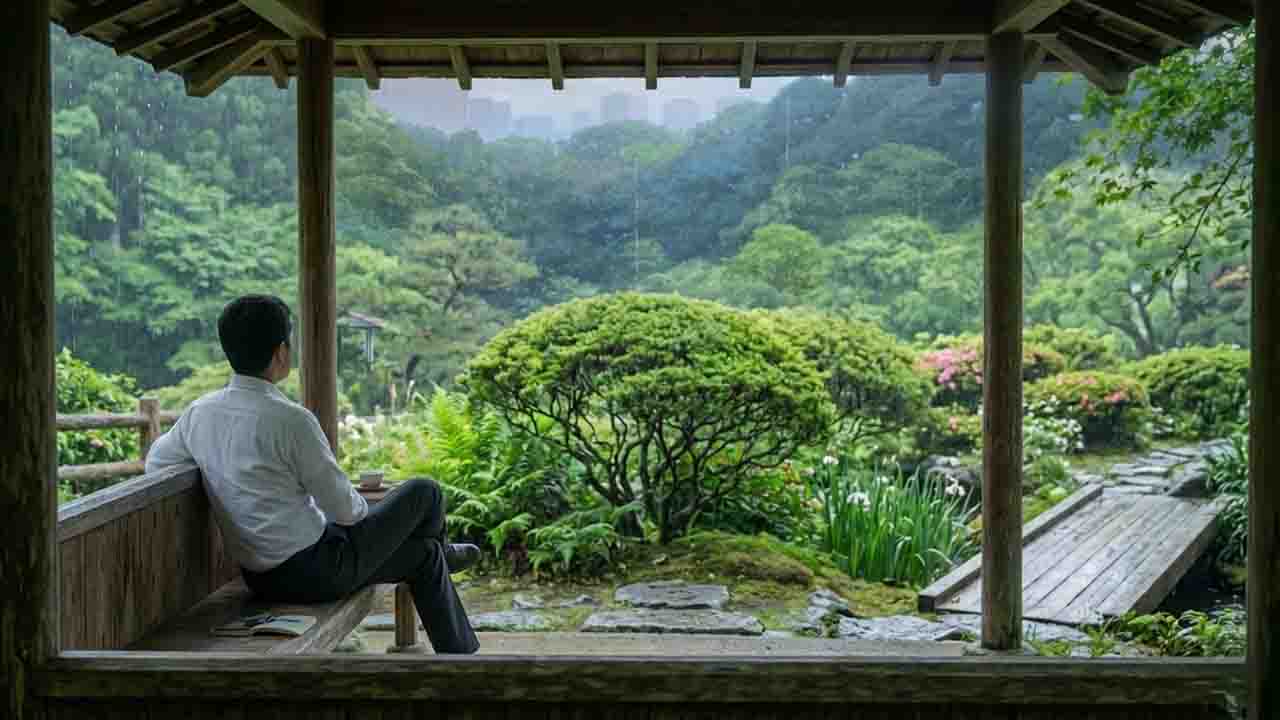 Image by Aydul.com
One of the core ideas of Wabi-Sabi is accepting imperfection. Modern culture often teaches people to hide flaws and pursue flawless results. However, Wabi-Sabi sees imperfections as something meaningful and beautiful. Imagine an old ceramic cup with small cracks on its surface. In many places, such an object would immediately be thrown away. But in Japanese culture, those imperfections are often appreciated because they tell a story. There is a Japanese art called Kintsugi, where broken pottery is repaired using gold. Instead of hiding the cracks, the cracks become the most beautiful part of the object. This philosophy symbolizes human life as well. Every person carries scars, failures, mistakes, and painful experiences. Instead of seeing those things as weaknesses, Wabi-Sabi teaches us to accept them as part of our journey. Imperfections are what make people unique and real.
Wabi-Sabi and Minimalist Living
Wabi-Sabi is often connected with minimalist living because both emphasize simplicity. However, Wabi-Sabi goes deeper than simply owning fewer things. Modern minimalism usually focuses on reducing clutter and living more efficiently. Wabi-Sabi, on the other hand, focuses on emotional connection, mindfulness, and appreciating the beauty of ordinary life. A Wabi-Sabi home does not need to look luxurious. A simple, comfortable, peaceful space is already enough. Some characteristics of a Wabi-Sabi lifestyle include:
- Using only what is necessary
- Appreciating old objects with meaning
- Choosing natural colors and materials
- Enjoying quiet spaces and empty areas
- Avoiding excessive decoration
- Prioritizing comfort over luxury
This philosophy teaches people to feel satisfied with what they already have. When someone stops chasing perfection and begins enjoying simplicity, life feels lighter and more peaceful.
Learning to Enjoy the Process
In modern life, people are often obsessed with results. Everyone wants quick success, instant happiness, fast achievements, and rapid growth. As a result, the process itself is often ignored. Wabi-Sabi teaches that the process is just as important as the destination. Nature becomes one of the greatest examples of this philosophy.
- Leaves slowly changing color, wood aging over time, and weathered walls all show how time creates beauty naturally.
- Not everything has to remain new forever.
- The same applies to human life.
- People do not need to become perfect immediately. Every failure, every challenge, and every experience contributes to personal growth.
- When we begin to appreciate the process, life becomes calmer.
- We stop rushing.
- We stop comparing ourselves to others.
- And we start living at our own pace.
Letting Go of Excessive Desires
One reason many people feel unhappy today is because they constantly feel that they are lacking something. After buying one thing, another desire appears. After reaching one goal, a bigger goal replaces it. Wabi-Sabi teaches the beauty of enough. This does not mean people should stop dreaming or growing. Instead, it means happiness should not depend entirely on material possessions or external validation. Simple moments can become deeply meaningful.
- Drinking warm tea on a rainy afternoon.
- Reading a book quietly.
- Listening to birds in the morning.
- Watching the sunset.
- Feeling the breeze.
In Japanese philosophy, peace is often found in small moments that people usually ignore.
Applying Wabi-Sabi in Daily Life
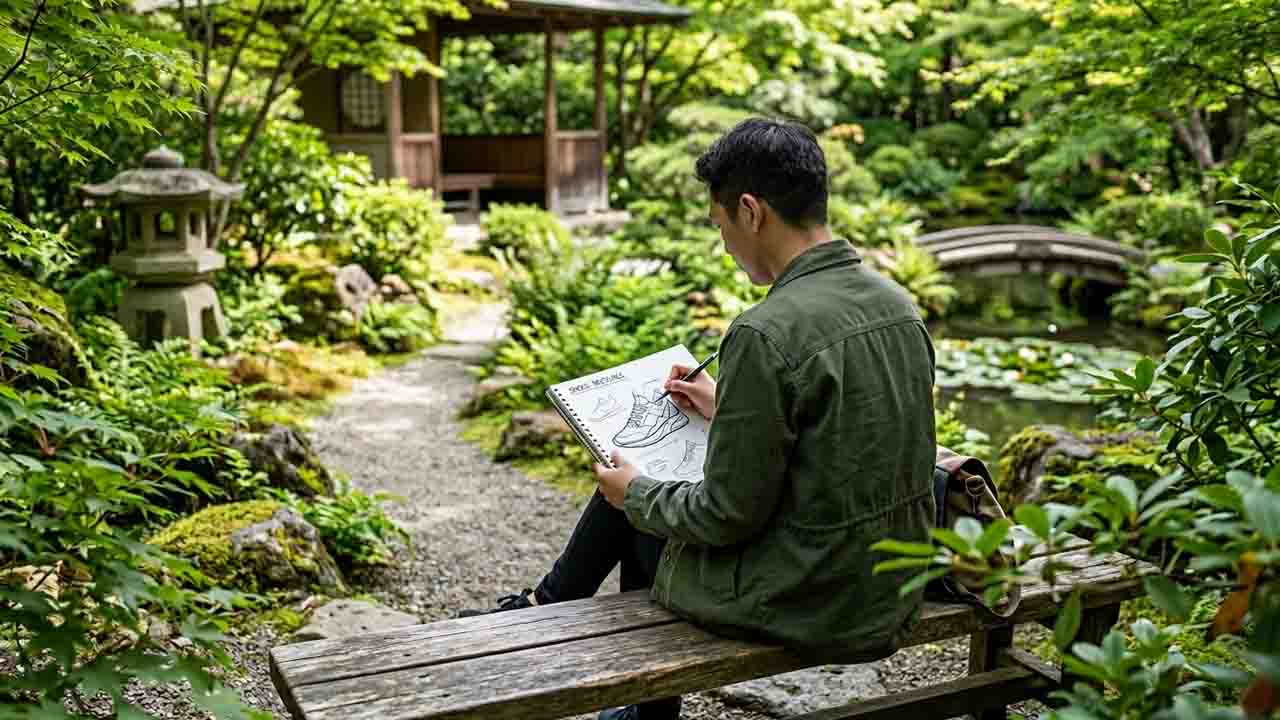 Image by Aydul.com
Wabi-Sabi is not difficult to practice. In fact, it can begin with small daily habits.
- Create a Simple and Peaceful Space
A home does not need expensive furniture or luxurious decorations. Start by keeping only things that truly matter. A clean and simple environment helps the mind feel calmer. Too much clutter often creates mental stress without us realizing it. - Stop Comparing Yourself to Others
Every person has a different journey. Wabi-Sabi reminds us that nobody’s life is perfect. Instead of comparing yourself to other people’s achievements, focus on your own growth and progress. - Enjoy Small Moment
Many people are too busy chasing the future that they forget to enjoy today. Try appreciating simple experiences like: Simple moments often create the deepest sense of peace. - Accept Yourself
Not everything in life will go according to plan. Some days are beautiful. Some days are difficult. Wabi-Sabi teaches that humans do not need to be perfect all the time. Mistakes and failures are natural parts of life. Self-acceptance brings inner peace.
Wabi-Sabi and Mental Health
In the digital era, people are under constant pressure to stay productive and successful. This pressure often leads to stress, anxiety, burnout, and overthinking. Wabi-Sabi offers a healthier perspective. When people accept that life is naturally imperfect, they begin to feel less burdened. They no longer force themselves to appear perfect in front of others. Wabi-Sabi also encourages mindfulness, which means being fully present in the current moment. When someone truly pays attention to the present instead of constantly worrying about the future, the mind becomes calmer. Many people search for extraordinary happiness while overlooking the beauty of ordinary life.
The Role of Nature in Wabi-Sabi
Nature plays a very important role in Japanese philosophy. Wabi-Sabi sees beauty in natural change. Falling leaves, dry branches, cloudy skies, and gentle rain are all considered beautiful because they reflect the temporary nature of life. That is why Wabi-Sabi interiors often include natural elements such as: These elements create warmth, calmness, and comfort. Unlike modern lifestyles that are often noisy and overwhelming, Wabi-Sabi encourages people to reconnect with nature and simplicity.
Why Wabi-Sabi Matters Today
Although Wabi-Sabi comes from ancient Japanese culture, its message feels even more relevant in modern society. Many people are becoming tired of consumerism, unrealistic expectations, and endless competition. They want a life that feels calmer, simpler, and more meaningful. Wabi-Sabi offers a gentle reminder: This philosophy teaches that life is not about becoming the most perfect person. It is about learning how to appreciate the journey.
Wabi-Sabi is a philosophy that teaches people to embrace life exactly as it is. In a world obsessed with perfection, Wabi-Sabi reminds us that imperfections also contain beauty. Through simplicity, self-acceptance, and mindfulness, people can create a calmer and more meaningful life. We do not need to own everything to feel happy. Sometimes true happiness appears when we begin appreciating the small and simple moments around us. Wabi-Sabi is not about living a perfect life. It is about living an honest, peaceful, and meaningful one. Because in the end, true beauty is often found in things that are simple, imperfect, and real
COMMENT

RELATED POST



Subscribe Me
Get notified when new articles are published