Is Your Messy Desk Quietly Killing Your Focus? Minimalist Tips That Actually Work
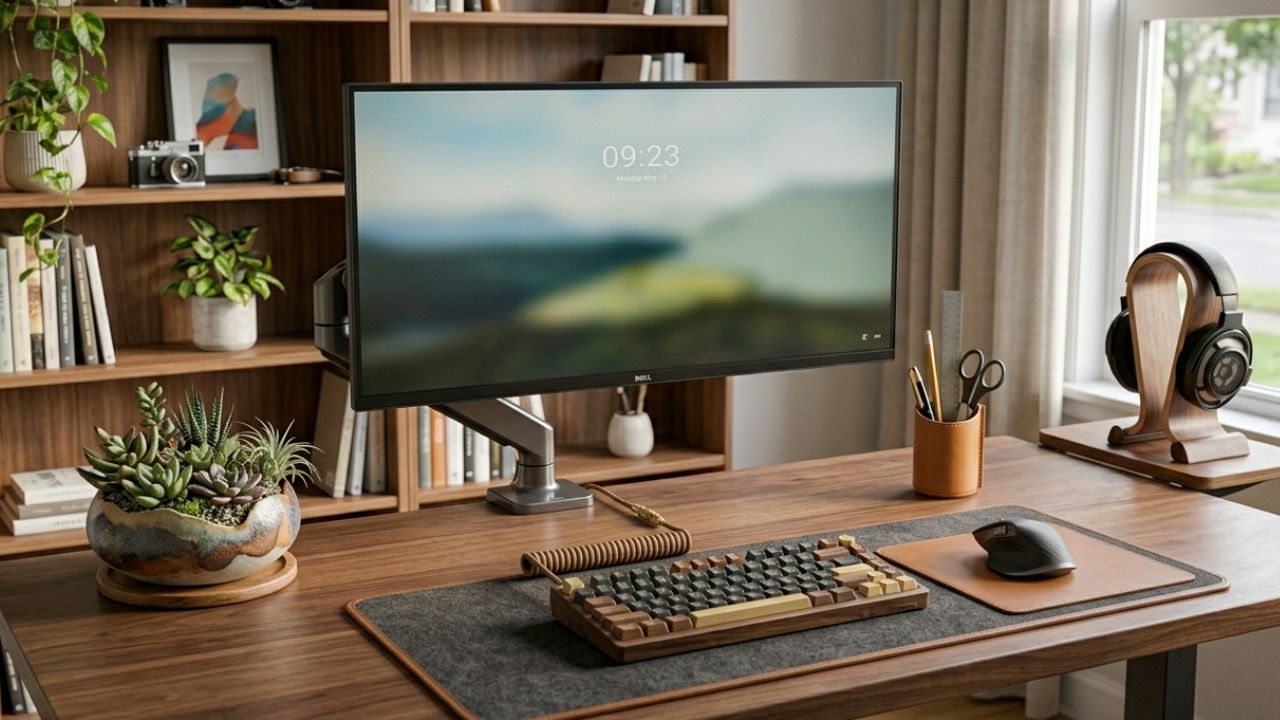
Aidul.com - Ever feel like your work is heavier than it should be even when your tasks haven’t changed? The problem might not be your workload. It could be your desk. A cluttered workspace doesn’t just look messy it creates mental noise. Piles of paper, tangled cables, random sticky notes… they all compete for your attention. And over time, that drains your focus more than you realize. Minimalism isn’t about owning less just for the sake of it. It’s about creating a space that helps you think clearly, work efficiently, and feel in control. Here’s how to declutter your desk in a simple, realistic way no perfectionism required.
1. Start with a Full Reset: Clear Everything Off Your Desk
Most people try to “tidy up” by shifting things around. That rarely works. If you want real change, start by removing everything from your desk. Yes everything. This step forces you to see your workspace with fresh eyes. We often get used to clutter, so we stop noticing how chaotic things actually are. Clearing your desk gives you a clean slate and helps you rethink what truly belongs there. Once everything is off, sort your items into three categories:
- Things you use daily
- Things you rarely use
- Things you don’t need at all
Minimalism is all about function. If an item doesn’t serve a clear purpose, it’s probably just taking up space. This process also helps you detach from unnecessary items. You’ll realize that many things you’ve been keeping don’t actually support your work. When you rebuild your desk from scratch, every item earns its place. That intentional setup creates a sense of control and clarity something a cluttered desk can never give you.
2. Use the “One Function, One Place” Rule

A major reason desks get messy is the lack of a clear system. Items don’t have a fixed place, so they end up scattered everywhere. That’s where the minimalist rule comes in: every item should have a dedicated home. For example:
- Keep all stationery in one container
- Store important documents in one tray or folder
- Assign a specific spot for gadgets and chargers
This simple system reduces the time you spend searching for things and lowers small, daily frustrations. The key here is consistency. A system only works if you stick to it. Make it a habit to return items to their designated place after using them. Also, keep your setup simple:
- Avoid overusing organizers
- Choose clean, functional storage
- Stick to neutral tones to reduce visual distraction
The simpler your system, the easier it is to maintain. Minimalism works best when it feels effortless, not complicated.
3. Reduce Visual Noise: Clean Doesn’t Always Mean Calm
A desk can look “organized” but still feel overwhelming. That’s because visual clutter isn’t just about quantity it’s also about how things look. Too many colors, shapes, and objects can still overload your brain. Research from the Princeton University Neuroscience Institute shows that excessive visual stimuli can interfere with your brain’s ability to focus. When your environment is visually busy, your brain has to work harder to process information reducing productivity. So even if your desk is technically tidy, too much decoration or visual variety can still distract you. Here’s how to reduce visual noise:
- Use a neutral color palette (white, gray, black, beige)
- Limit decorations to 1–2 meaningful items
- Hide cables to keep the surface clean
- Store small items in drawers or closed containers
The goal is to create a space that feels visually “light.” When your environment is calm, your mind follows. Minimalism doesn’t mean boring it means intentional. Your desk should support your focus, not compete with it.
4. Build a 5 Minute Daily Reset Habit

The secret to a consistently clean desk isn’t a big cleanup it’s small, daily maintenance. Most people wait until their workspace becomes overwhelming before doing anything about it. That’s why clutter keeps coming back. Instead, spend just 5 minutes a day resetting your desk. Use that time to:
- Put items back in their place
- Throw away small trash (papers, wrappers, etc.)
- Straighten your workspace
- Remove anything you don’t need for the next day
It may seem insignificant, but this habit prevents clutter from building up in the first place. More importantly, it trains your mindset. You become more aware of what you bring onto your desk and more intentional about keeping it clean. Tips to stay consistent:
- Set a daily reminder
- Make it part of your end-of-work routine
- Start small and keep it simple
With this habit, you’ll never need a massive cleanup again. Your desk stays ready, every single day. Your desk isn’t just a surface it’s part of how you think and work. A cluttered space creates hidden stress, while a minimalist setup gives you clarity and control. Start small. Stay consistent. Focus on what truly matters. Because in the end, a clean desk isn’t the goal it’s a tool to help you do your best work.
COMMENT

RELATED POST


Subscribe Me
Get notified when new articles are published