Minimalist Lifestyle Meaning: Why Living With Less Can Give You More Freedom
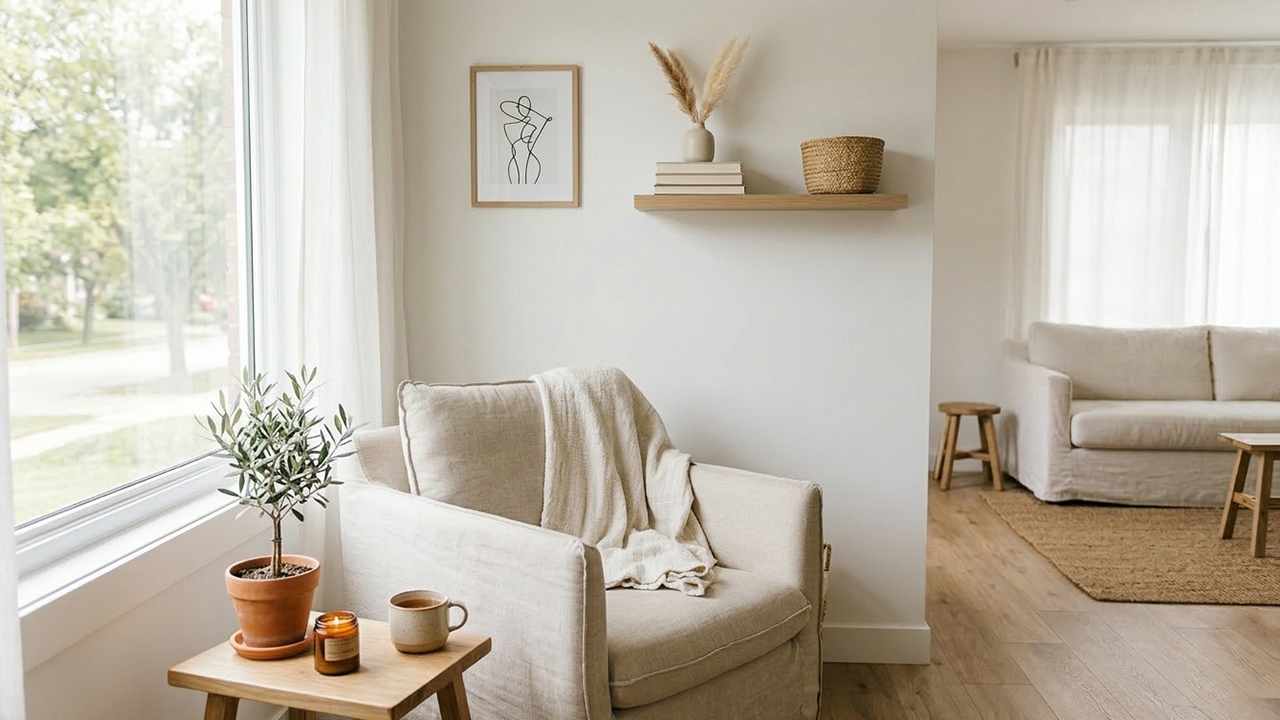
Minimalism is often misunderstood. Some people imagine empty homes, plain furniture, and owning almost nothing. But the real meaning of a minimalist lifestyle is much deeper than that. Minimalism is about intentionally choosing what truly adds value to your life and removing what does not. By focusing on what matters most, people can create more space for time, freedom, relationships, and personal growth. Whether you already know about minimalism or are completely new to the idea, understanding its true meaning can help you build a calmer and more meaningful life.
What Is a Minimalist Lifestyle?
A minimalist lifestyle is a way of living that focuses on simplicity and intentional choices. Instead of constantly collecting more possessions, minimalists focus on keeping only the things that are useful, meaningful, or valuable.
The main idea is simple: remove the excess so you can focus on what truly matters.
Minimalism does not mean living with nothing. It simply means being more thoughtful about what you own and how you live. For example, instead of having many items that are rarely used, a minimalist prefers fewer items that serve a clear purpose. This approach often leads to a cleaner space, a clearer mind, and a more organized life.
The Philosophy Behind Minimalism
At its core, minimalism is not only about physical possessions. It is a mindset that encourages intentional living. Modern society often promotes constant consumption. Advertisements encourage people to buy more products, follow more trends, and keep upgrading everything they own. Over time, this can create clutter, stress, and unnecessary pressure.
Minimalism offers a different perspective. Instead of asking, “What else can I add to my life?”, minimalists ask, “What can I remove that no longer serves me?” This shift in thinking helps people focus on what truly brings happiness and meaning.
Benefits of Living a Minimalist Lifestyle
Many people choose minimalism because it provides several practical and emotional benefits.
1. Reduced Stress
Cluttered environments can make daily life feel overwhelming. By reducing unnecessary possessions, people often feel calmer and more relaxed in their living spaces.
2. Better Financial Control
Minimalists tend to spend more intentionally. Instead of buying many cheap items, they focus on quality purchases that last longer. This habit can lead to significant financial savings.
3. Increased Focus
With fewer distractions, it becomes easier to concentrate on personal goals, work, and creative activities.
4. More Time and Energy
Owning fewer things means less cleaning, organizing, and maintenance. This frees up time for hobbies, relationships, and personal development.
5. Greater Appreciation
When you own fewer items, you often appreciate them more. Each possession has a purpose and meaning.
Minimalism Is Not the Same for Everyone
One important thing to understand is that minimalism looks different for every person.
For example, someone who loves fashion may still own many clothes, but each piece is carefully chosen and regularly worn. A musician may have multiple instruments because they are essential to their passion. A chef may have many kitchen tools that support their craft.
Minimalism is not about reaching a specific number of belongings. Instead, it is about ensuring that the things you own truly serve your lifestyle and values. This flexibility is what makes minimalism accessible to many different types of people.
How to Start Living a Minimalist Lifestyle
Starting a minimalist lifestyle does not require drastic changes. The process can begin with small and manageable steps.
Start With One Area
Choose a small space such as a desk, drawer, or closet. Remove items that you no longer use or need.
Ask Simple Questions
When deciding whether to keep something, consider asking yourself:
- Do I use this regularly?
- Does this improve my life?
- Would I buy this again today?
If the answer is no, it may be time to let it go.
Focus on Quality Over Quantity
Instead of buying many inexpensive items, consider investing in fewer high-quality products that last longer.
Simplify Other Areas of Life
Minimalism can also apply to schedules, digital habits, and commitments. Reducing unnecessary obligations can create more time for meaningful experiences.
The True Meaning of Minimalism
Ultimately, the minimalist lifestyle is about intentional living. It encourages people to focus on what truly matters while removing the distractions that do not add value. Minimalism is not about restriction or deprivation. Instead, it is about creating space in your life for things that bring genuine happiness and fulfillment.
For some people, that might mean owning fewer possessions. For others, it might mean simplifying their routines or prioritizing meaningful relationships. The true meaning of minimalism is simple: living with purpose, clarity, and intention. By choosing what deserves a place in your life, you gain the freedom to focus on what truly matters.
COMMENT

RELATED POST



Subscribe Me
Get notified when new articles are published