Use It Up or Use It Until It Breaks: A Minimalist Philosophy That Changes How We Consume
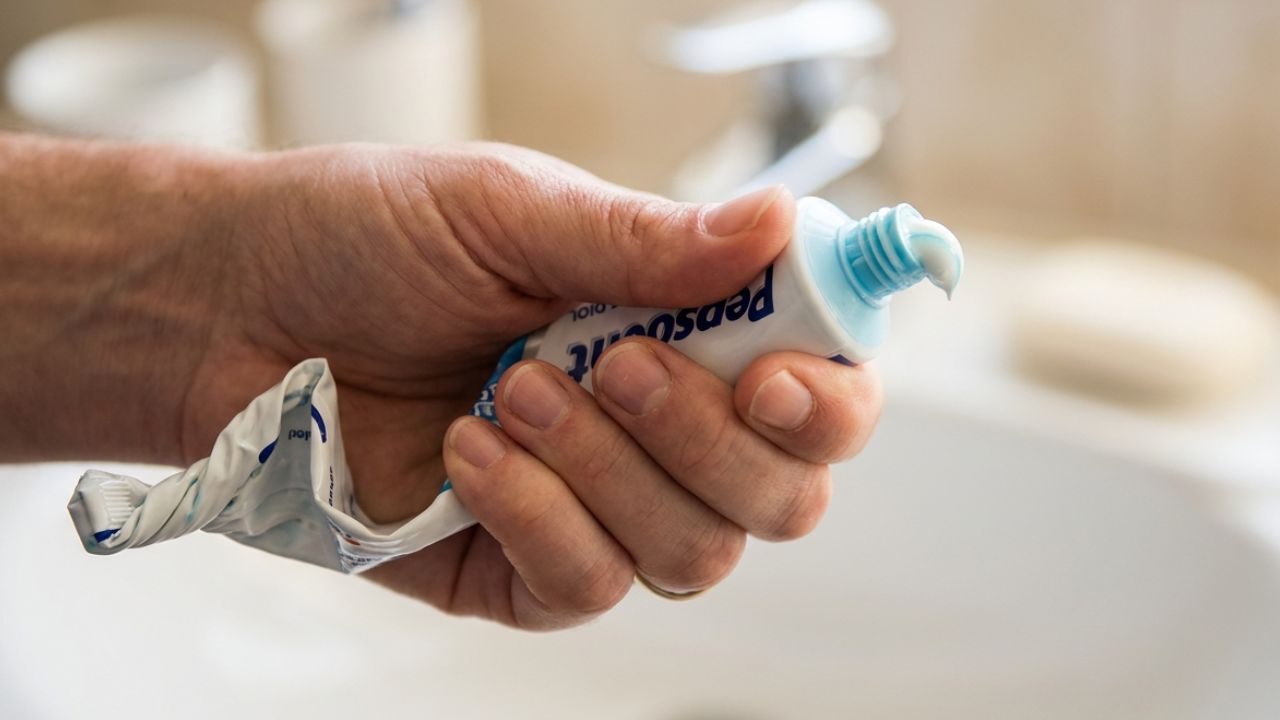
Aydul.com - Minimalism isn’t just about owning fewer things, it’s about appreciating what we already have. One simple yet powerful principle is: use it up or use it until it breaks. This philosophy encourages us to be more mindful in how we use our belongings, reduce waste, and live more intentionally in our daily consumption.
Use It Up
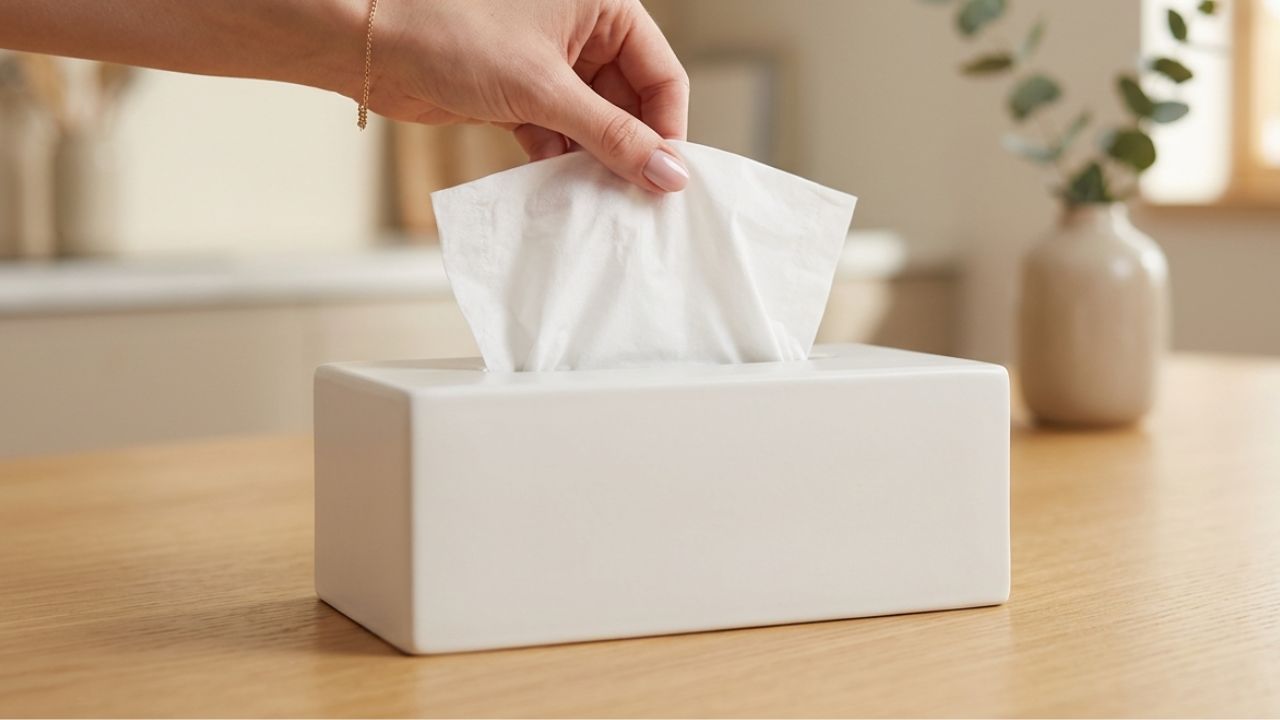
Using something until it’s completely finished is a form of responsibility for what we purchase. In everyday life, many people unknowingly throw away items that are still usable such as skincare products, food, stationery, or household supplies. We’re often tempted to try something new before finishing what we already have. From a psychological perspective, this behavior has been discussed by Daniel Kahneman in behavioral economics. He explains that humans are prone to “present bias,” meaning we prefer instant gratification over long-term benefits. In terms of consumption, this leads us to buy new items without finishing the old ones.
Another study by Barry Schwartz in The Paradox of Choice shows that having too many options can actually make us less satisfied and more likely to keep switching between products. As a result, many items are left unused before they’re finished. By making it a habit to use things until they’re completely used up, we train discipline and awareness in our consumption. We begin to value every item we own more deeply.
This habit also helps us understand our real needs. When we resist buying new items before finishing the old ones, we become more selective with future purchases. We learn what truly works for us and what was just a momentary desire. Psychologically, finishing something also brings a sense of satisfaction. There’s a feeling of completion that helps us appreciate the process. This is very different from piling up half-used items, which often creates guilt and stress.
In the long run, this habit shapes a more intentional and simplified lifestyle. We are no longer easily tempted by trends or discounts, because our focus is on finishing what we already have. It’s a small step with a big impact on the journey toward minimalism.
Use It Until It Breaks
Beyond using consumable items fully, minimalism also encourages us to use durable goods until they truly wear out. This applies to clothing, shoes, bags, gadgets, and household furniture. This idea aligns with research by Thorstein Veblen, who introduced the concept of conspicuous consumption. He explained that people often replace items not because they need to, but to display social status. This is why many items are discarded long before they’re actually unusable.
Additionally, studies by Tim Jackson in ecological economics emphasize the importance of extending product lifespans to reduce environmental impact. Using items until they break is seen as a more sustainable consumption practice. By using items until they break, we learn to value function over appearance. We begin to see things as tools that support our lives, rather than symbols of style or status. This shift in mindset is essential in a minimalist lifestyle.
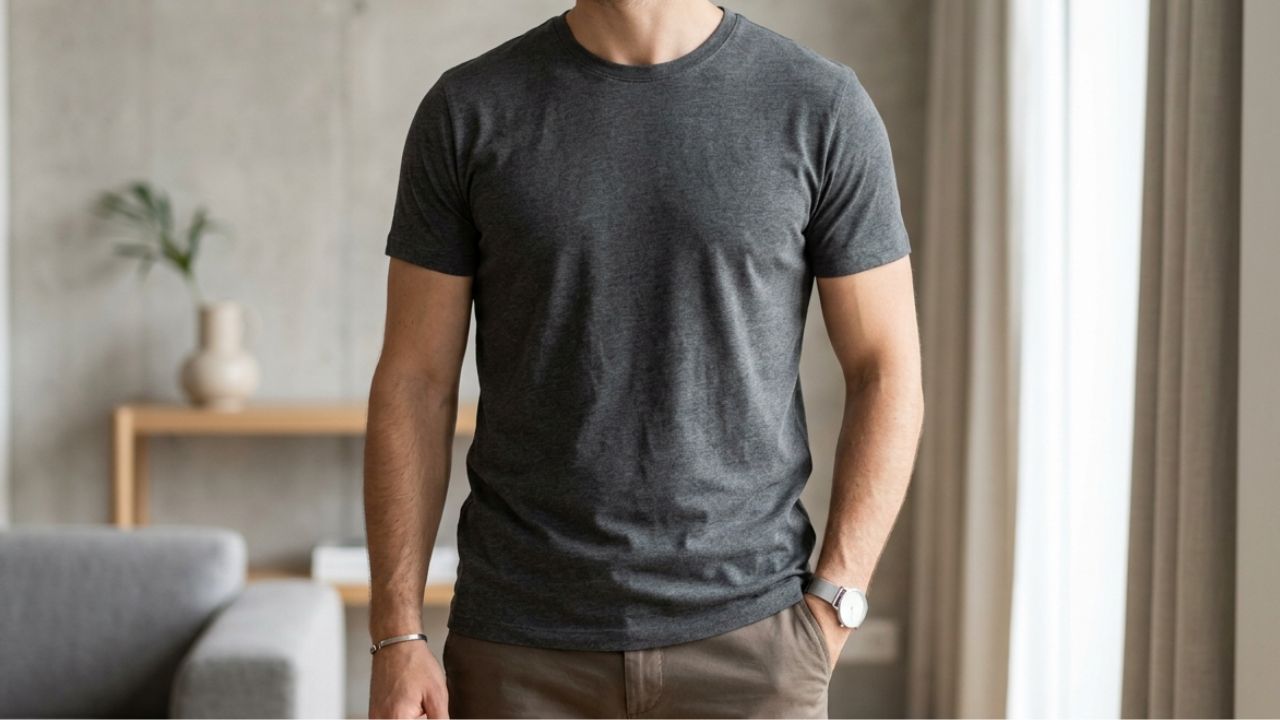
And this “use it until it wears out” principle is something I also apply when choosing clothes. I have one type of shirt that has become one of my go-to pieces for everyday wear. It is made from bamboo cotton, feels cool and soft against the skin, and has a very minimal design that makes it easy to wear for almost any occasion.
What really convinced me of its quality? I actually wore mine until it eventually wore out. Not because it was poorly made, but because I kept reaching for it over and over again. After using it that much, I can genuinely say that the comfort is real and the quality is more than just a marketing claim. If you are also trying to live more minimally and would rather own fewer clothes that you actually enjoy wearing, this could be a great option to consider.
You can currently get 6 pieces for just $59.
Instead of filling your closet with clothes you rarely wear, invest in a few comfortable basics that you will actually reach for every day. Check out the bamboo cotton shirts here and see if they are right for you.

habit also helps us save money significantly. We don’t need to constantly replace items, allowing us to allocate resources toward more meaningful things like savings, investments, or life experiences. From an environmental perspective, the longer we use an item, the smaller our consumption footprint becomes. This is a real contribution to sustainability.
Interestingly, when we commit to using items until they break, we also tend to take better care of them. We become more mindful in maintaining, cleaning, and storing our belongings so they last longer. Without realizing it, we build a healthier relationship with the things around us.
If It Can Be Repaired, Repair It

An important principle in minimalism is not immediately discarding something when it breaks, but attempting to repair it first. Unfortunately, the “break and replace” culture has become very common. In reality, many items can still be fixed at a lower cost than buying new ones. For example, shoes with worn-out soles, bags with broken zippers, or household items with minor damage.
By repairing items, we not only save money but also extend their lifespan. This is a form of responsibility toward the resources used to produce them. Repairing also builds creativity and practical skills. We can learn to fix things ourselves or seek local repair services, which also helps support small businesses in our community.
There’s also an emotional value in repairing items. They are no longer just objects, but carry stories and experiences. This makes us more appreciative and less likely to replace them easily. Furthermore, repairing reduces the habit of instant consumption. We become less tempted to buy new things for minor issues. This is an important step toward a more mindful and sustainable lifestyle.
Benefits and Advantages of Applying This Principle
Applying the “use it up or use it until it breaks” principle offers many benefits—financially, mentally, and environmentally. Here are some of the key advantages:
- Saves money: Spending decreases because we don’t frequently buy new items.
- Reduces waste: Helps minimize trash from unused or half-used products.
- Simplifies life: Fewer items mean a cleaner space and a calmer mind.
- Increases consumption awareness: Helps distinguish between needs and wants.
- Creates a sense of contentment: Less driven by trends, more appreciative of what we have.
- Environmentally friendly: Reduces carbon footprint from production and distribution.
- Builds self-discipline: Encourages consistency in finishing what we start.
- Maximizes value of items: Every item is used to its fullest potential.
Ultimately, this principle helps us build a healthier relationship with both our possessions and our finances. We are no longer controlled by impulsive consumption, but instead take control of our choices. Life becomes more intentional, simple, and meaningful.
COMMENT

RELATED POST


Subscribe Me
Get notified when new articles are published