Less Stuff, More Savings: The Easy Way Minimalism Helps You Grow Your Money Faster

save money fast minimalism tips stop impulse buying simple living financial freedom budgeting easy ways to save money reduce expenses minimalist lifestyle habits mindful spending.
In today’s fast-moving world, saving money often feels more difficult than ever. You are constantly surrounded by opportunities to spend, online stores are always open, advertisements follow you everywhere, and social media makes it seem like everyone else is always buying something new. Over time, this creates a habit of spending without much thought. You may not even realize where your money goes because the purchases feel small and harmless in the moment. However, when you look back at the end of the month, the total tells a different story. This is not necessarily a problem of discipline, but a result of living in an environment that encourages consumption at every turn. Minimalism offers a different approach. Instead of forcing you to follow strict rules or cut out everything you enjoy, it helps you rethink your relationship with money. By focusing on what truly matters and removing what doesn’t, you naturally begin to spend less. And when spending decreases, saving becomes easier and faster without feeling like a burden.
The Problem: Why Saving Money Feels So Hard
One of the biggest challenges people face today is not earning money, but keeping it. Many individuals have the intention to save, yet struggle to follow through. This happens because spending has become automatic and deeply tied to daily habits and emotions. Without realizing it, you might be making financial decisions based on convenience, boredom, or even stress rather than actual need.
Some common problems include:
-
Impulse Buying
Purchasing things quickly without thinking about long-term value -
Hidden Small Expenses
Frequent small purchases that add up over time -
Lifestyle Pressure
Feeling the need to keep up with trends or other people -
Emotional Spending
Using shopping as a way to cope with feelings
These issues create a cycle where money flows out faster than expected, making saving feel difficult and sometimes impossible.
The Solution: How Minimalism Changes Your Financial Habits
Minimalism works by addressing the root of the problem—your mindset and habits. Instead of focusing on restriction, it encourages awareness and intention. When you become more mindful of your decisions, you naturally begin to spend less without forcing yourself.
Here are some simple but effective solutions:
-
Pause Before Buying
Give yourself at least 24 hours before purchasing non-essential items. This helps reduce impulse decisions. -
Prioritize Value Over Quantity
Focus on buying fewer items that truly serve a purpose instead of accumulating unnecessary things. -
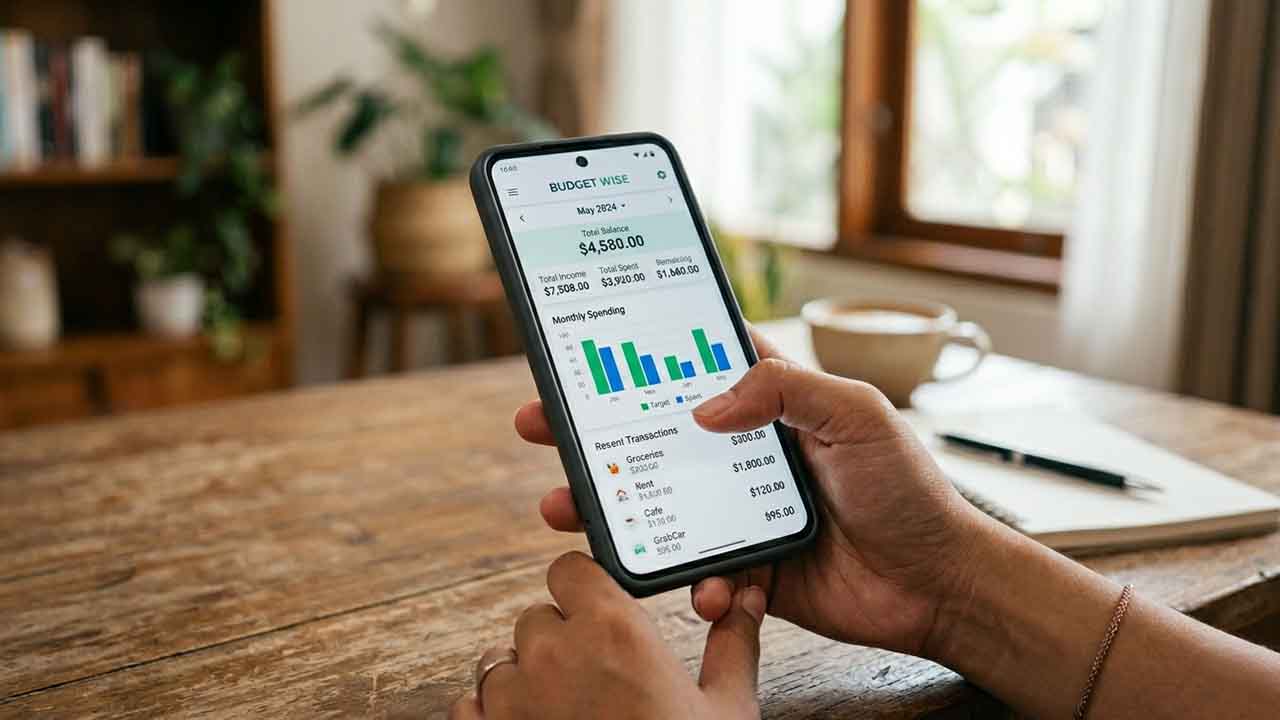
Review Your Spending Regularly
Look at your recent expenses to understand where your money is going and identify patterns. -
Reduce Unnecessary Commitments
Cancel subscriptions or services that you rarely use.
A Lifestyle That Naturally Reduces Expenses
Minimalism is not just about individual purchases, it influences your entire lifestyle. When you start living more intentionally, your daily habits change. You no longer feel the need to constantly upgrade your belongings or follow every trend. Instead, you become comfortable with what you already have.
This leads to several natural financial benefits:
- Fewer unnecessary purchases
- Lower monthly expenses
- Less financial stress
- More control over your money
As your lifestyle becomes simpler, your financial situation becomes more stable. You are no longer spending to fill gaps or chase temporary satisfaction. Instead, your spending aligns with your actual needs and priorities.
Saving Money Becomes Effortless
One of the most powerful outcomes of minimalism is how it changes the way you save. Traditional saving methods often rely on strict budgeting and constant self-control, which can feel exhausting over time. Minimalism, on the other hand, reduces your desire to spend in the first place. When you want less, you buy less. When you buy less, you save more. This creates a natural flow where saving money is no longer something you have to force. It becomes a byproduct of your lifestyle.
Simple Steps to Start Today
You don’t need to make drastic changes to experience the benefits of minimalism. Starting small can already make a big difference.
- Review your last 5–10 purchases
- Identify which ones were unnecessary
- Avoid repeating the same spending pattern this week
- Pause before your next non-essential purchase
These small actions help build awareness, which is the foundation of better financial habits.
Final Thoughts
Minimalism is not about limiting your life, it is about improving it. By focusing on what truly matters and letting go of unnecessary spending, you create space for better financial decisions. Over time, this leads to faster savings, reduced stress, and a greater sense of control over your money. Instead of constantly fighting the urge to spend, you build a lifestyle where spending less feels natural. And in that simplicity, saving money becomes easier than ever.
COMMENT

RELATED POST



Subscribe Me
Get notified when new articles are published