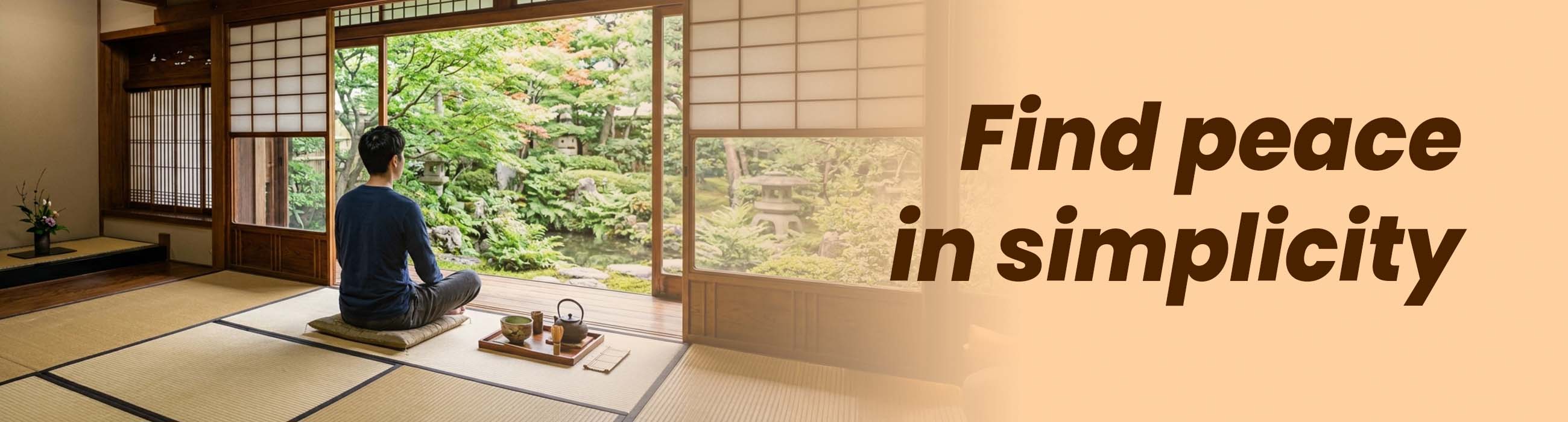

Tired Of Chasing Perfection? Wabi-sabi Might Change The Way You Live
aydul.com - in today’s fast-paced modern world, many people feel exhausted by the constant pressure to be perfect. social media is filled with unrealistic standards of success, beauty, productivity, and luxury. people are expected to have the perfect career, the perfect appearance, the perfect lifestyle, and the perfect home. without realizing it, this endless pursuit of perfection slowly takes away inner peace. in japan, there is a timeless philosophy that teaches the exact opposite. this philosophy is called wabi-sabi. it encourages people to embrace simplicity, appreciate imperfections, and find beauty in the natural flow of life. wabi-sabi is not just a design style or a minimalist trend. it is a way of living that helps people slow down, accept themselves, and discover happiness through simple moments. what is wabi-sabi? wabi-sabi is an ancient japanese philosophy deeply connected to zen culture and nature. the word “wabi” represents simplicity, calmness, humility, and living close to nature. meanwhile, “sabi” refers to the beauty that comes with age, time, wear, and imperfection. together, wabi-sabi can be understood as the art of appreciating imperfect, simple, and temporary things. this philosophy teaches three important truths: nothing lasts forever. nothing is perfect. nothing is ever truly complete. in modern society, people constantly chase perfection and forget to enjoy life itself. wabi-sabi reminds us that simplicity can also be beautiful. finding beauty in imperfection image by aydul.com one of the core ideas of wabi-sabi is accepting imperfection. modern culture often teaches people to hide flaws and pursue flawless results. however, wabi-sabi sees imperfections as something meaningful and beautiful. imagine an old ceramic cup with small cracks on its surface. in many places, such an object would immediately be thrown away. but in japanese culture, those imperfections are often appreciated because they tell a story. there is a japanese art called kintsugi, where broken pottery is repaired using gold. instead of hiding the cracks, the cracks become the most beautiful part of the object. this philosophy symbolizes human life as well. every person carries scars, failures, mistakes, and painful experiences. instead of seeing those things as weaknesses, wabi-sabi teaches us to accept them as part of our journey. imperfections are what make people unique and real. wabi-sabi and minimalist living wabi-sabi is often connected with minimalist living because both emphasize simplicity. however, wabi-sabi goes deeper than simply owning fewer things. modern minimalism usually focuses on reducing clutter and living more efficiently. wabi-sabi, on the other hand, focuses on emotional connection, mindfulness, and appreciating the beauty of ordinary life. a wabi-sabi home does not need to look luxurious. a simple, comfortable, peaceful space is already enough. some characteristics of a wabi-sabi lifestyle include: using only what is necessary appreciating old objects with meaning choosing natural colors and materials enjoying quiet spaces and empty areas avoiding excessive decoration prioritizing comfort over luxury this philosophy teaches people to feel satisfied with what they already have. when someone stops chasing perfection and begins enjoying simplicity, life feels lighter and more peaceful. learning to enjoy the process in modern life, people are often obsessed with results. everyone wants quick success, instant happiness, fast achievements, and rapid growth. as a result, the process itself is often ignored. wabi-sabi teaches that the process is just as important as the destination. nature becomes one of the greatest examples of this philosophy. leaves slowly changing color, wood aging over time, and weathered walls all show how time creates beauty naturally. not everything has to remain new forever. the same applies to human life. people do not need to become perfect immediately. every failure, every challenge, and every experience contributes to personal growth. when we begin to appreciate the process, life becomes calmer. we stop rushing. we stop comparing ourselves to others. and we start living at our own pace. letting go of excessive desires one reason many people feel unhappy today is because they constantly feel that they are lacking something. after buying one thing, another desire appears. after reaching one goal, a bigger goal replaces it. wabi-sabi teaches the beauty of enough. this does not mean people should stop dreaming or growing. instead, it means happiness should not depend entirely on material possessions or external validation. simple moments can become deeply meaningful. drinking warm tea on a rainy afternoon. reading a book quietly. listening to birds in the morning. watching the sunset. feeling the breeze. in japanese philosophy, peace is often found in small moments that people usually ignore. applying wabi-sabi in daily life image by aydul.com wabi-sabi is not difficult to practice. in fact, it can begin with small daily habits. create a simple and peaceful space a home does not need expensive furniture or luxurious decorations. start by keeping only things that truly matter. a clean and simple environment helps the mind feel calmer. too much clutter often creates mental stress without us realizing it. stop comparing yourself to others every person has a different journey. wabi-sabi reminds us that nobody’s life is perfect. instead of comparing yourself to other people’s achievements, focus on your own growth and progress. enjoy small moment many people are too busy chasing the future that they forget to enjoy today. try appreciating simple experiences like: simple moments often create the deepest sense of peace. accept yourself not everything in life will go according to plan. some days are beautiful. some days are difficult. wabi-sabi teaches that humans do not need to be perfect all the time. mistakes and failures are natural parts of life. self-acceptance brings inner peace. wabi-sabi and mental health in the digital era, people are under constant pressure to stay productive and successful. this pressure often leads to stress, anxiety, burnout, and overthinking. wabi-sabi offers a healthier perspective. when people accept that life is naturally imperfect, they begin to feel less burdened. they no longer force themselves to appear perfect in front of others. wabi-sabi also encourages mindfulness, which means being fully present in the current moment. when someone truly pays attention to the present instead of constantly worrying about the future, the mind becomes calmer. many people search for extraordinary happiness while overlooking the beauty of ordinary life. the role of nature in wabi-sabi nature plays a very important role in japanese philosophy. wabi-sabi sees beauty in natural change. falling leaves, dry branches, cloudy skies, and gentle rain are all considered beautiful because they reflect the temporary nature of life. that is why wabi-sabi interiors often include natural elements such as: these elements create warmth, calmness, and comfort. unlike modern lifestyles that are often noisy and overwhelming, wabi-sabi encourages people to reconnect with nature and simplicity. why wabi-sabi matters today although wabi-sabi comes from ancient japanese culture, its message feels even more relevant in modern society. many people are becoming tired of consumerism, unrealistic expectations, and endless competition. they want a life that feels calmer, simpler, and more meaningful. wabi-sabi offers a gentle reminder: this philosophy teaches that life is not about becoming the most perfect person. it is about learning how to appreciate the journey. wabi-sabi is a philosophy that teaches people to embrace life exactly as it is. in a world obsessed with perfection, wabi-sabi reminds us that imperfections also contain beauty. through simplicity, self-acceptance, and mindfulness, people can create a calmer and more meaningful life. we do not need to own everything to feel happy. sometimes true happiness appears when we begin appreciating the small and simple moments around us. wabi-sabi is not about living a perfect life. it is about living an honest, peaceful, and meaningful one. because in the end, true beauty is often found in things that are simple, imperfect, and real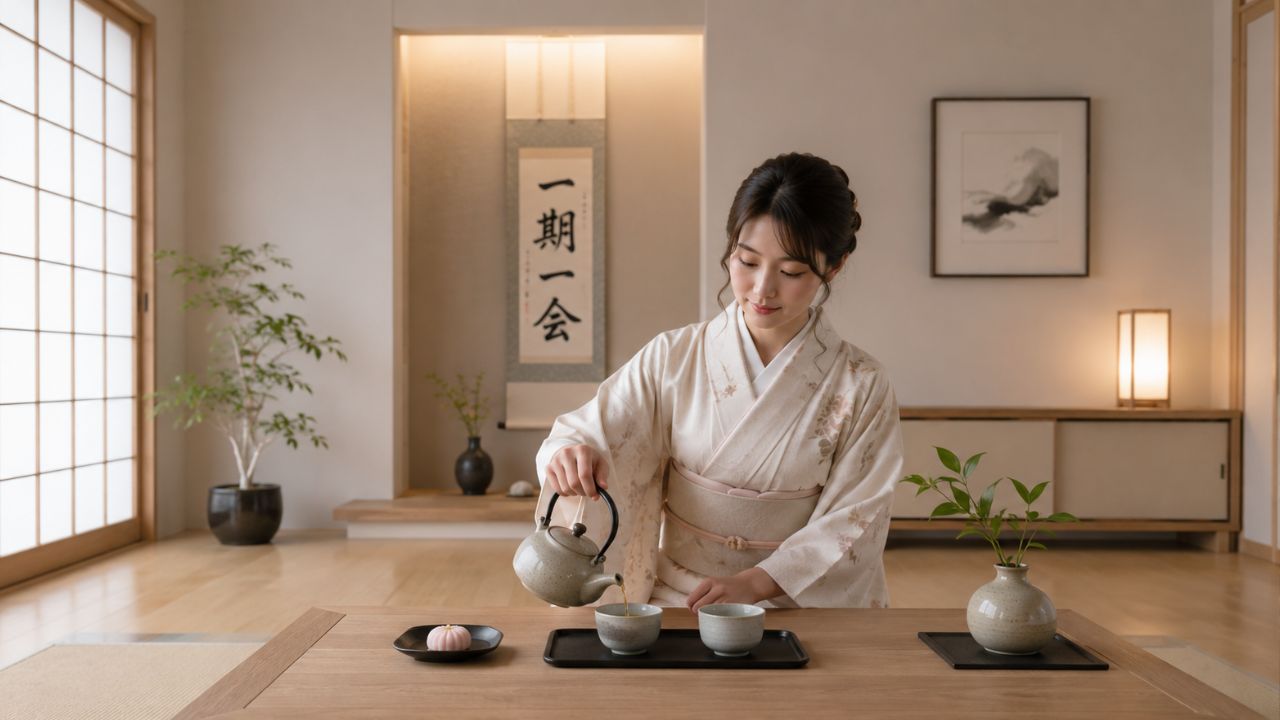
How The Japanese Use 5s To Live A More Peaceful Daily Life
aydul.com - minimalism is not just about having an aesthetic white room or owning only a few items. it is a lifestyle that helps people focus on what truly matters. in today’s fast-paced world filled with distractions, living simply has become more relevant because it can reduce stress, improve focus, and create a more organized life. one concept that closely relates to minimalism is japan’s 5s principle. originally, this method was used in factories and workplaces to create clean, efficient, and productive environments. over time, people realized that the 5s philosophy can also be applied to daily life. the 5s principles consist of seiri, seiton, seiso, seiketsu, and shitsuke. together, these ideas teach people how to organize belongings, maintain cleanliness, build consistency, and develop discipline. when practiced regularly, life can feel lighter, homes become more comfortable, and the mind feels calmer. seiri: remove what you no longer need seiri means sorting through your belongings and separating what is truly necessary from what only takes up space. in minimalism, seiri is one of the most important first steps because many people live surrounded by items they no longer use. people often keep things for emotional reasons, because they think they might need them someday, or simply because they forget they even own them. as a result, homes become cluttered, workspaces feel messy, and the mind feels overwhelmed. the more things you own, the more energy you need to maintain and organize them. applying seiri in everyday life can start with something simple, such as going through your closet and deciding which clothes you actually wear. if you have not used something for more than a year, there is a good chance you no longer need it. the same principle can be applied to documents, kitchen tools, cosmetics, and even digital files on your phone or computer. many people do not realize that unused photos, apps, and files can also create “visual noise” that affects focus. simple ways to practice seiri in daily life: separate items you frequently use from those you never touch donate items that are still in good condition throw away broken items you no longer need reduce impulsive shopping habits organize digital files and remove unused apps seiri teaches that letting go does not mean losing something. instead, it means choosing what truly adds value and happiness to your life. items you no longer need can be donated, sold, or recycled so they can still benefit someone else. besides creating more physical space, seiri also helps people become more aware of their consumption habits. once you get used to living with fewer things, the desire to buy unnecessary items usually decreases. in modern life, people often buy things not because they need them, but because of trends, discounts, or social media influence. homes become full, yet people still feel unsatisfied. seiri helps break this cycle by encouraging intentional living. another benefit of seiri is saving time and energy. with fewer possessions, you spend less time searching for things, cleaning your home, or organizing storage spaces. mentally, seiri can create a sense of peace. a clean and uncluttered environment makes it easier to focus and feel calm. studies have shown that cluttered spaces can increase stress and reduce productivity. ultimately, seiri is not just about cleaning your house. it is about removing things that no longer add value to your life, whether they are physical items, unhealthy habits, or even overwhelming schedules. seiton: organize everything for a more efficient life after removing unnecessary items through seiri, the next step is seiton. seiton means arranging things neatly so they are easy to find, use, and return to their proper place. in daily life, people waste a surprising amount of time searching for lost items. keys, chargers, important documents, and work tools often disappear simply because they do not have a designated place. seiton teaches that every item should have its own “home.” when everything has a clear place, daily activities become easier and more efficient. you can start practicing seiton with small areas such as your desk. keep stationery in one container, organize cables neatly, and store important documents in labeled folders. small changes like these can make your workspace feel cleaner and more comfortable. in the kitchen, seiton can be applied by arranging tools based on how often they are used. frequently used items should be placed within easy reach. this saves time and makes cooking more enjoyable. in a minimalist lifestyle, seiton creates spaces that are not only visually clean but also more comfortable to live in. a well-organized environment makes it easier to focus and reduces mental fatigue. easy ways to apply seiton: create a dedicated spot for keys and wallets use labels on storage boxes organize clothes by type or color arrange cables neatly sort digital files into clear folders this principle can also be applied digitally. a messy desktop, overflowing email inbox, or poorly named files can make work more stressful than necessary. organizing digital spaces improves efficiency and saves time. one of the main ideas behind seiton is accessibility. the things you need should be easy to find without having to search through multiple places. seiton also reduces small daily frustrations. not panicking while looking for your wallet before leaving the house may seem simple, but it can greatly improve your mood. many people think organization requires a large home or expensive furniture. in reality, seiton is about structure, not luxury. even a small space can feel comfortable when it is organized properly. in the long run, seiton helps build discipline and responsibility. returning items to their proper place becomes a habit that supports a calmer and more efficient lifestyle. seiso: cleanliness creates peace of mind seiso means cleaning and maintaining cleanliness regularly. in the 5s philosophy, cleanliness is not only about appearance but also about caring for your environment and yourself. many people only clean when their home becomes extremely messy. seiso encourages maintaining cleanliness consistently so the environment remains healthy and comfortable. in minimalism, cleanliness plays a major role because a clean environment supports mental clarity. dusty rooms, cluttered desks, or messy bedrooms can negatively affect mood without people realizing it. practicing seiso does not require major cleaning sessions. small habits such as making your bed, washing dishes after eating, or sweeping the floor daily are already part of this principle. when cleanliness is maintained regularly, housework feels lighter because dirt and clutter do not pile up. seiso also encourages awareness. while cleaning, people become more aware of broken items, areas that need repair, or habits that create unnecessary mess. in japanese culture, cleaning is not considered a low-level task. it is seen as part of discipline and respect for shared spaces. that is why many schools in japan teach students to clean their own classrooms. simple seiso habits for daily life: make your bed every morning clean your desk before sleeping wash dishes immediately after meals sweep or vacuum regularly delete unnecessary emails and files seiso can also be applied mentally and digitally. reducing exposure to negative content, limiting screen time, or taking breaks from social media are forms of maintaining mental cleanliness. in today’s digital world, people often feel mentally exhausted because of information overload. keeping your mind “clean” is just as important as cleaning your home. a clean environment also supports better health by reducing allergies, dust, and other health risks. additionally, people usually feel more comfortable and productive in clean spaces. interestingly, cleaning itself can become a calming activity. sweeping, organizing, or wiping surfaces can help people feel more present and relaxed. seiso reminds us that happiness does not always come from buying new things. sometimes, peace comes from living in a clean, simple, and well-maintained environment. seiketsu: maintain consistency and healthy systems after sorting, organizing, and cleaning, the next principle is seiketsu. seiketsu means maintaining standards and consistency so the positive changes you create can last. many people successfully clean and organize their homes, only to see everything become messy again a few days later. this usually happens because there is no consistent system or routine in place. seiketsu teaches that lasting change comes from maintaining simple routines consistently. in minimalism, consistency is more important than occasional dramatic changes. spending fifteen minutes tidying up every evening is often more effective than doing a massive cleanup once a month. you can start practicing seiketsu by creating small daily rules, such as returning items after using them, washing dishes immediately, or cleaning your desk before bed. these simple habits help maintain order without requiring too much effort. helpful ways to practice seiketsu: create a weekly cleaning schedule set a daily time for tidying up use reminders or checklists limit unnecessary items entering the house encourage family members to maintain organization together seiketsu is also connected to visual consistency. labels, storage containers, and schedules can help make routines easier to follow. the same principle can be applied to lifestyle habits, such as maintaining healthy sleep routines, organizing work schedules, or creating a balanced morning routine. one of the biggest challenges in seiketsu is procrastination. that is why it is important to build systems that are realistic and easy to maintain. minimalism does not require perfection. the goal is to create a lifestyle that feels lighter and easier to manage. in the long term, seiketsu creates stability and comfort. organized environments reduce mental stress and improve quality of life. shitsuke: discipline and habits for a better life shitsuke is the final principle of the japanese 5s method and refers to discipline and habit-building. once systems are created, shitsuke ensures that the previous principles continue to work over time. many people want to live a simpler and more organized life but struggle to maintain it. usually, the issue is not lack of ability but lack of discipline. shitsuke teaches that order and simplicity are built through repeated habits. discipline does not mean living a rigid life. instead, it means consistently doing things that improve your quality of life. you can begin practicing shitsuke with small actions, such as making your bed every morning, returning items after use, or spending a few minutes each day cleaning your space. over time, these habits become automatic rather than feeling like chores. in minimalism, shitsuke helps people become more intentional with their lifestyle. impulsive shopping, procrastination, and clutter slowly decrease through consistent self-discipline. simple habits that support shitsuke: create morning and evening routines reduce procrastination habits always return items after using them set monthly spending limits reflect on your habits every week japanese culture strongly values discipline in everyday life, from respecting time to maintaining public cleanliness. this mindset is one reason why the 5s method works so effectively beyond workplaces. shitsuke not only creates cleaner spaces but also builds stronger personal character. people who practice discipline often become more focused, responsible, and organized. interestingly, discipline can actually create freedom. when life is organized, people have more time, energy, and mental space to focus on what truly matters. shitsuke also teaches patience. real change does not happen overnight. a better lifestyle is built through small actions repeated consistently. minimalism is not about having a perfect home or owning almost nothing. it is about creating a life that feels calmer, more intentional, and more meaningful. when combined with seiri, seiton, seiso, and seiketsu, shitsuke helps create a lifestyle that feels lighter and more balanced. in the end, japan’s 5s principles are not just about organizing your home. they are a philosophy for living a simpler, healthier, and more mindful life in an increasingly busy world.
Why Japan Is Always Clean And Disciplined: It’s Taught From An Early Age
aydul.com - japan often draws global attention for its citizens' extraordinary level of tidiness, discipline, and sense of responsibility. from litter-free streets, punctual public transportation, to orderly queues, all reflect a deeply ingrained value system. many people ask: how can japanese society consistently develop such character traits? the answer, it turns out, isn't instantaneous or quick. all of this is formed from childhood through education, environment, and daily habits. it's these habits that the author is very interested in discussing. this article will explore in depth the factors that shape japan's culture of tidiness and discipline, using an approach based on real-life experiences, social observations, and educational principles that can be traced and understood rationally. let's get straight to the point. 1. character education starts at an early age in japan, education is not solely focused on academics. the primary emphasis is on character development from an early age. children are taught essential values such as: responsibility cooperation respect self-discipline interestingly, the concept of moral education (dōtoku) is an official part of the school curriculum. children are not only told what is right or wrong but are also guided to understand why certain behaviors matter to society. for example, children are taught that littering is not just wrong it harms others and creates shared discomfort. this approach builds empathy rather than mere obedience. in the long term, this has a significant impact, which is one of the reasons japan is known as one of the cleanest countries in the world. 2. no janitors in schools image by aydul.com - gemini ai one of the most memorable practices in japan is that students clean their own schools. this activity is called osoji. every day, students: sweep classrooms mop floors clean toilets wipe desks and windows interestingly, there are no dedicated janitors for these tasks in most public schools. teachers also participate not as supervisors, but as role models. through this practice, children learn: to respect their environment not to depend on others that cleanliness is a shared responsibility the long-term effect is powerful. as adults, they naturally maintain cleanliness wherever they go even in public spaces without supervision. this is one of the reasons japan has become a global inspiration for cleanliness and minimalism. 3. a strong culture of shame one key factor behind japan’s discipline is its strong culture of shame. from a young age, children are taught to consider how their actions affect others. they are not only taught what is right or wrong but also how to maintain the comfort and feelings of people around them. for instance, if a child creates a mess in public, the feeling of shame doesn’t only come from being scolded, but from the awareness that their actions disturb others. this creates a habit of behaving properly in public spaces. unlike fear-based discipline, social control in japan largely comes from within. children grow up understanding that they are part of a community, and maintaining order is a shared responsibility. 4. leading by example from adults children learn not only from what they are told, but from what they see. in japan, adults set clear and consistent examples in daily life. parents, teachers, and society demonstrate discipline through actions such as: being punctual disposing of trash properly queuing in an orderly manner because children observe this consistently, they see it as the normal standard of behavior. there is no contradiction between what is taught and what is practiced. this is what makes character education in japan highly effective. discipline is not seen as an obligation, but as a natural part of life. 5. respecting time from an early age image by aydul.com - gemini ai in japan, time is highly valued. children are taught punctuality from a very young age, whether it’s arriving at school, attending activities, or completing tasks. being late is seen as both a lack of discipline and a sign of disrespect toward others. therefore, children are trained to manage their time well. even daily routines such as lunchtime or class transitions are strictly scheduled. this habit builds individuals who are efficient and responsible with their time. 6. practicing independence in daily life japanese children are encouraged to be independent from an early age. many are used to going to school on their own, using public transportation, and managing their personal needs without heavy reliance on parents. this independence builds responsibility and self-confidence. children learn to face real-life situations, make decisions, and understand the consequences of their actions. they are also taught not to depend excessively on others. this creates individuals who are not only disciplined but also resilient and adaptable. 7. an education system that prioritizes values over academics unlike many countries that focus heavily on academic achievement, japan’s education system places strong emphasis on character building. in schools, students don’t just learn math or language, they also learn values such as cooperation, responsibility, respect. group activities are a key part of the learning process. through teamwork, students learn to appreciate others and contribute collectively. they are taught that success is not only about individual achievement, but also about how well they work with others. 8. discipline in small things what makes japan appear so orderly is not necessarily strict major rules, but consistency in small habits. for example: sorting trash properly taking off shoes before entering rooms maintaining public facilities these may seem like small actions, but when practiced consistently by an entire society, the impact becomes significant. children are trained to do these small things every day. over time, these habits become part of their identity. 9. a strong sense of environmental responsibility from a young age, japanese children are taught that the environment is a shared responsibility. they don’t see cleanliness as someone else’s job, but as a personal duty. this is reflected in habits like taking their trash home if they cannot find a bin. they avoid littering because they understand that even small actions have an impact on the environment. this awareness is one of the reasons why japan remains clean, even though public trash bins are relatively limited. 10. moral education as part of the curriculum in japan, moral education is not just theoretical, it is a structured part of the school curriculum. there are dedicated sessions where students learn about ethics, empathy, and life values. these lessons are often delivered through storytelling, discussions, and reflection. the goal is not only for students to understand moral concepts but also to apply them in daily life. with this approach, children don’t just know what is right, they understand why it is right. the cleanliness and discipline of japanese society are not built instantly. they are the result of a long process that begins in early childhood. from character education and daily cleaning habits to the consistent reinforcement of responsibility and respect, everything is taught and practiced continuously. children are not only given theories, they are trained to apply them every day. this is what makes discipline in japan not just a set of rules, but a living culture embedded in society. if other countries want to replicate this success, the key is not strict regulations, but consistency in building habits from an early age.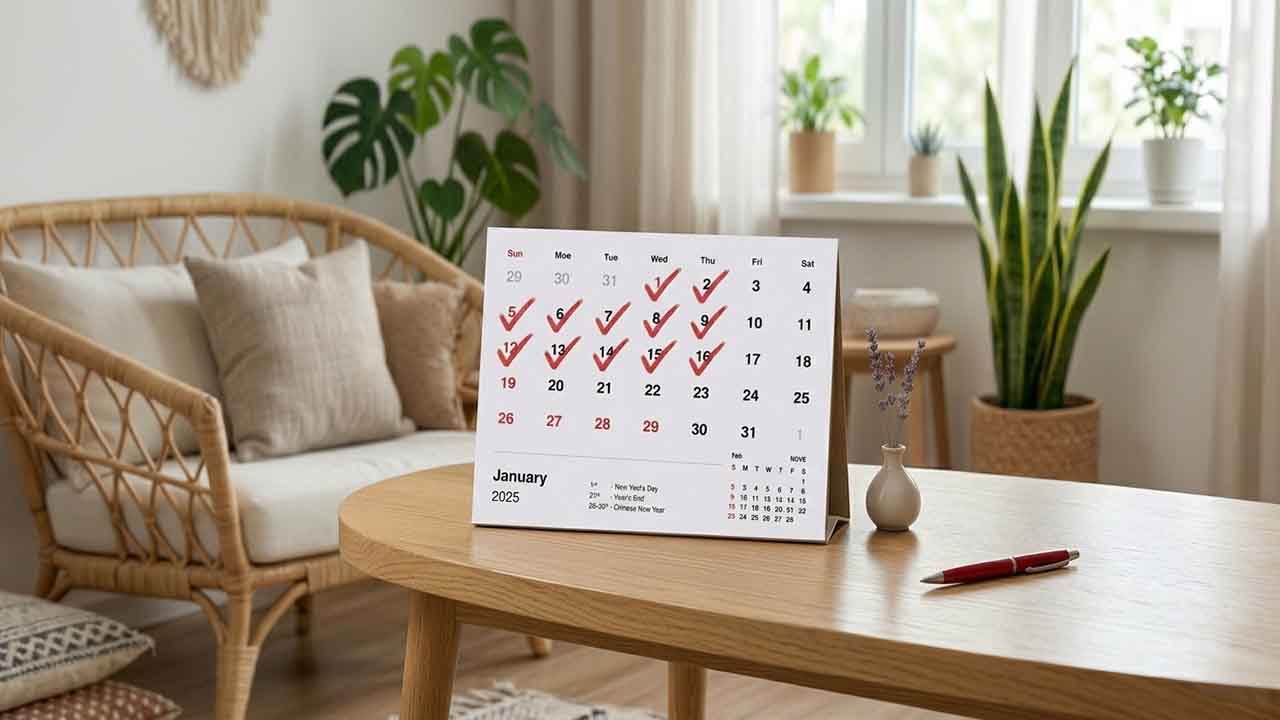
The Overlooked Key To Success: Consistency, Patience, And Focus
aydul.com - building a business or managing your finances does not have to feel overwhelming. many people think success comes from big moves, fast growth, and doing many things at once. in reality, it often comes from something much simpler. small actions, done consistently, with a clear and focused mindset. this article is about a minimalist approach to business and money. it is about staying consistent even when progress feels small, keeping things simple instead of complicated, being patient through the process, and committing to one path instead of constantly starting over. if you want to grow without constant stress, this perspective can help you build something stable, practical, and sustainable over time. consistency matters minimalism in business and personal finance is not about doing less for the sake of it, but about doing the right things repeatedly. consistency is at the core of this approach. without it, even the best plans lose direction. many people focus too much on big results, when success is usually built from small actions done every day. being consistent means continuing to move forward, even if the steps are small. you do not need perfect timing or ideal conditions. progress often comes from simple routines that are done without distraction. in a minimalist mindset, this means cutting out noise and focusing only on what truly matters. when running a business or managing money, people often try to do too many things at once. this spreads energy thin and leads to weak results. consistency simplifies everything. by repeating the same core actions, you begin to build a stable rhythm. simple habits like tracking expenses, maintaining service quality, or completing daily tasks are powerful examples of consistency. they may seem small, but over time they create real impact. minimalism teaches that you do not need big moves to grow, just small steps that never stop. consistency also reduces mental pressure. when routines are clear, you spend less time making decisions. your mind becomes calmer and more focused. instead of chasing quick wins that may not last, a consistent approach creates stability. in the end, consistency is a long-term commitment to the process. you do not need to be fast, you just need to keep going. in a world that pushes instant results, the ability to stay consistent is rare but extremely valuable. learn from apple creators simplicity is progress one of the strongest principles in minimalism is simplicity. in business, simplicity does not mean limitation, it means focus. many failures happen because people try to do too much at once. too many products, too many strategies, and too many directions lead to confusion and weak execution. a simple approach helps you filter what truly matters. instead of doing everything, you focus on what creates the biggest impact. this makes your process more efficient and easier to manage. it also makes your business clearer for customers to understand. here are some simple ways to keep your business and finances minimal and focused: focus on one main product or service use systems that are easy to understand remove activities that do not give clear results prioritize quality over quantity with this approach, your energy is not wasted. everything becomes more directed, and results are easier to track. minimalism in business is not about reducing potential, but about removing what is unnecessary. simplicity also speeds up decision making. when there are fewer choices, thinking becomes clearer. this helps reduce stress, especially in uncertain situations. another advantage is flexibility. simple systems are easier to fix and adjust. when problems happen, you can quickly find the cause and improve it. complex systems often slow you down and create more confusion. simplicity is a sign of maturity in business. it is not about looking impressive, but about being effective. over time, this approach creates stability, steady growth, and a calmer mindset. stay patient and keep going patience is one of the most overlooked factors in business and finance. many people want fast results but are not ready for a long process. minimalism teaches you to accept the process without putting too much pressure on outcomes. being patient does not mean doing nothing. it means continuing to take action even when results are not visible yet. in a minimalist approach, the focus is not only on the end goal, but also on the daily process. when the process is done right, results will follow. stress often comes from expectations that are too high. people want big changes in a short time. when that does not happen, frustration builds. a minimalist mindset keeps expectations realistic and focuses on small, steady progress. here are a few simple ways to stay patient and consistent: focus on what you can do today set small and realistic goals appreciate even the smallest progress avoid comparing yourself to others this approach helps keep your mind stable. when you are not only chasing big results, the journey feels lighter and more manageable. patience also creates space to learn. every step in the process offers lessons. when you are not rushing, you have time to understand what works and what needs improvement. it also builds mental strength. in business, things do not always go as planned. there are ups and downs. patience helps you stay steady and think clearly during difficult times. in the end, patience is not just a mindset, it is a strategy. by staying consistent and not rushing, you allow your business and finances to grow in a more stable and less stressful way. do not leave the business you started minimalism in business also means staying focused on one direction. constantly switching from one business to another slows down progress. every new start brings you back to zero. this wastes energy and makes it harder to see real results. staying committed to one business gives you time to grow deeply. you begin to understand the market, recognize customer needs, and discover what works best. this kind of insight only comes with time and focus. many people quit not because the business has no potential, but because they do not stay long enough. they think the problem is the idea, when in reality the process has not been fully developed. focusing on one business also helps manage your energy. you do not need to divide your attention. everything is directed toward one clear goal. this makes the process simpler and easier to control. evaluation is still important, but it does not mean you have to quit. improvements can be made without starting over. in a minimalist approach, changes are gradual, not drastic. sticking with one business also builds resilience. you learn how to face challenges instead of avoiding them. this experience becomes a strong foundation for long-term growth. in the end, success is not about trying many things, but about maximizing one opportunity. with focus, patience, and consistency, even a small business can grow into something meaningful without unnecessary stress.
Why Is Japan Always So Clean And Organized? Minimalist Tips From Japanese People
aydul.com - have you ever wondered why japan always looks so clean, calm, and perfectly organized—even in busy public places? streets are spotless, homes feel peaceful, and everything seems to run smoothly without chaos. surprisingly, it’s not because of expensive systems or strict rules alone. it comes down to simple daily habits and a minimalist mindset that anyone can learn. the best part? you don’t need to live in japan to start applying these habits in your own life. 1. discipline and responsibility start at an early age one of the main reasons japan is so clean and organized is because discipline is taught from a very young age. in japan, education is not only about academic success but also about building strong character, especially responsibility and respect for the environment. in schools, students clean their own classrooms, hallways, and even bathrooms. there are no janitors responsible for daily cleaning. instead, children are taught that keeping their environment clean is part of their duty. this practice helps them develop a strong sense of ownership and awareness. as they grow older, this mindset becomes a natural part of their daily life. they carry these habits into adulthood, whether at home, at work, or in public spaces. cleanliness is not seen as a chore, but as a shared responsibility. japanese people also have a deep respect for others. they understand that a clean and organized space creates comfort for everyone, not just themselves. this is why public places like trains, parks, and streets remain clean even when there are very few trash bins. discipline is also reflected in other areas, such as punctuality, orderly lines, and following rules. these habits work together to create a structured and harmonious society. the key takeaway here is simple: start small and stay consistent. building habits like cleaning up after yourself or organizing your space daily can make a big difference over time. 2. minimalism: living with only what you need japanese people are well known for their minimalist lifestyle. instead of measuring happiness by how many things they own, they focus on the value and function of each item. homes in japan are often small, which encourages people to be more selective about what they keep. every item must serve a purpose. if something is no longer useful or meaningful, it is usually removed. this approach creates a clean and open living space. without unnecessary clutter, homes feel more peaceful and easier to maintain. a simple environment also helps clear the mind, making it easier to focus and relax. another important habit is regularly reviewing belongings. people often check what they own and decide what is still needed. items that are no longer used may be donated or discarded responsibly. minimalism also affects how people shop. instead of buying things impulsively, they choose quality over quantity. they prefer items that last longer and truly add value to their lives. if you want to try this lifestyle, start by reducing unnecessary items in your space. you don’t have to do it all at once. take small steps, and over time, you’ll notice how much lighter and more organized your life feels. 3. clean a little, but do it every day another key habit in japan is cleaning regularly in small amounts. instead of waiting for things to get messy, people clean a little every day. for example, after cooking, they clean the kitchen right away. after using something, they return it to its place. these small actions prevent clutter from building up. daily habits like wiping surfaces, sweeping the floor, or organizing items may seem simple, but they have a powerful effect. the home stays clean all the time without needing long, exhausting cleaning sessions. this habit also supports better health. a clean environment reduces dust, germs, and stress. mentally, a tidy space helps people feel calmer and more focused. to start, you can set aside 10–15 minutes each day for cleaning. focus on one small area at a time. the goal is not perfection, but consistency. over time, these small efforts will become part of your routine. you’ll notice that keeping your space clean becomes easier and more natural. 4. smart use of space: functional and efficient living space in japan is often limited, especially in big cities. however, this limitation has led to very smart and creative use of space. furniture is often designed to serve multiple purposes. beds can be folded, tables can be stored away, and storage units are built with hidden compartments. this makes it easier to keep spaces neat and flexible. vertical storage is also commonly used. walls are used for shelves or hooks, which helps save floor space. this creates a more open and organized feel, even in small homes. good space management also makes daily life more efficient. when everything has its own place, it is easier to find and return items. this reduces stress and saves time. to apply this idea, you can start by organizing your space more thoughtfully. use storage boxes, shelves, or multifunctional furniture. avoid piling things up without a system. with better space management, even a small area can feel comfortable, clean, and well-organized. 5. a simple mindset: focusing on quality of life at the core of japan’s cleanliness and organization is a simple but powerful mindset. people focus more on quality of life rather than owning many things. they value calmness, balance, and simplicity. instead of chasing trends or material possessions, they aim for a peaceful and meaningful life. this mindset helps them feel satisfied with what they have. by living with enough—not too much they reduce stress and create a more balanced lifestyle. a japanese resident once said, “living simply helps us feel content more easily.” this reflects a way of thinking that prioritizes inner peace over external excess. with this mindset, life becomes lighter and more intentional. people spend less time worrying about unnecessary things and more time enjoying what truly matters. minimalism is not just about reducing physical items. it is also about simplifying your thoughts, priorities, and daily habits. when you do that, a clean and organized life will naturally follow.
You Won’t Believe It! Living Healthy Is Actually This Easy | No Hassle, No High Cost
aydul.com - living a healthy life doesn’t have to be expensive, complicated, or overwhelming. a minimalist approach focuses on simple, consistent habits that bring real benefits to your body and mind. instead of chasing perfection, it’s about doing small things every day with intention. here are four practical and easy ways to stay healthy using a minimalist lifestyle. make time for daily exercise exercise is often seen as something that requires a gym membership, special equipment, or a lot of free time. in reality, a minimalist approach to fitness is much simpler. the goal is not intensity, but consistency. moving your body every day, even in small ways, can have a huge impact on your overall health. you don’t need to spend hours working out. a short walk, light stretching, or a quick home workout is enough to get started. activities like cleaning your house, taking the stairs, or riding a bike also count as physical exercise. the idea is to stay active, not perfect. our bodies are designed to move. sitting for long periods can lead to stiffness, low energy, and even long-term health issues. by making daily movement a habit, you improve blood circulation, boost your energy levels, and support your mental well-being. one of the best ways to stay consistent is to make exercise part of your routine. for example, you can stretch in the morning, go for a walk in the afternoon, or do light workouts in the evening. when it becomes a habit, it feels less like a chore and more like a natural part of your day. a minimalist mindset also means listening to your body. you don’t need to push yourself too hard, especially if you’re just starting out. begin with simple movements and gradually increase intensity over time. what matters most is showing up every day. exercise is not only good for your physical health, but also your mental state. it can reduce stress, improve focus, and help you sleep better. even a few minutes of movement can make a noticeable difference. by making time for daily exercise, you are investing in your long-term health. it’s a simple habit, but when done consistently, it creates powerful results. eat and drink healthy on a budget many people believe that eating healthy is expensive, but that’s not always true. a minimalist approach to nutrition focuses on simple, natural, and affordable foods. you don’t need trendy diets or expensive ingredients to stay healthy. water is one of the most important and affordable choices you can make. staying hydrated supports your body’s functions, improves concentration, and helps maintain energy levels. compared to sugary or processed drinks, water is the best and cheapest option. when it comes to food, simple is better. fresh vegetables, fruits, eggs, tofu, and whole foods provide essential nutrients without costing a lot. local and seasonal produce is often cheaper and fresher, making it a smart choice. in your daily routine, you can build small habits like: drinking more water throughout the day reducing processed and sugary foods choosing fresh, local fruits and vegetables controlling portion sizes to avoid overeating these habits may seem small, but they have a big impact over time. eating mindfully also helps you understand what your body really needs, instead of eating out of boredom or stress. cooking at home is another key part of minimalist healthy living. it allows you to control ingredients and save money. you don’t need complicated recipes—simple meals like vegetable stir-fry, soup, or rice with healthy sides are already enough. healthy eating also affects your daily energy. when you eat nutritious foods, your body feels lighter, more focused, and more productive. on the other hand, unhealthy food can make you feel sluggish and tired. by choosing healthy and affordable food, you take care of both your body and your finances. it’s a practical and sustainable way to live well. reduce screen time and focus on productivity in today’s digital world, screen time is almost unavoidable. however, too much time spent on phones, computers, or tv can negatively affect your health and productivity. a minimalist lifestyle encourages you to use technology more consciously. excessive screen time can cause eye strain, poor sleep, and reduced focus. it can also overwhelm your mind with too much information, making it harder to concentrate on what really matters. reducing screen time doesn’t mean avoiding technology completely. it means setting boundaries. for example, you can limit social media use, avoid screens before bedtime, or schedule specific times to check your phone. when you spend less time on screens, you create space for more meaningful activities. you can read, exercise, learn new skills, or simply relax without distractions. this leads to better focus and higher quality work. one effective method is to set “no-screen” periods during your day. use this time to focus on deep work or personal activities. you’ll notice that your productivity improves when you eliminate unnecessary distractions. reducing screen time also benefits your mental health. it helps you feel calmer, less anxious, and more present in your daily life. instead of constantly scrolling, you become more aware of your surroundings and experiences. productivity is not about doing more things, but about doing the right things with full attention. by limiting screen use, you can focus better and achieve more in less time. minimalism teaches us to remove what is unnecessary. cutting down screen time is one powerful way to simplify your life and improve your well-being. meditate once a day meditation is a simple but powerful habit that supports mental and emotional health. in a minimalist lifestyle, it serves as a way to slow down and reconnect with yourself. you don’t need a special place or a long session to meditate. just 5–10 minutes a day in a quiet space is enough. sit comfortably, focus on your breathing, and bring your attention to the present moment. meditation helps you become more aware of your thoughts and emotions. instead of reacting impulsively, you learn to respond calmly and clearly. this is especially useful in stressful situations. if you’re just starting, you can try simple steps like: closing your eyes and focusing on your breath counting your breaths to stay focused letting thoughts come and go without judgment practicing at the same time every day consistency matters more than duration. even short daily sessions can bring noticeable benefits over time. you may feel calmer, more focused, and emotionally balanced. meditation also improves sleep quality. a calm mind makes it easier to fall asleep and rest deeply. this leads to better energy and productivity during the day. another benefit is increased self-awareness. you become more mindful of your actions, thoughts, and feelings. this helps you make better decisions and live more intentionally. in a fast-paced world, taking a few minutes to pause is incredibly valuable. meditation is not about emptying your mind, but about being present and accepting what is. by practicing meditation daily, you create a sense of balance and peace in your life. it’s a small habit that can lead to meaningful and lasting changes.
You Don’t Know Your Life Purpose? Ikigai Can Change That
aydul.com - in a world that keeps getting louder with constant notifications, endless demands, and the pressure to always want more, many people begin to feel lost. life moves fast, yet it often feels empty. we own more things than ever, but still feel like something is missing. this is where the need to return to something essential begins a simpler, more mindful, and more meaningful way of living. one concept that helps people rediscover meaning in life is ikigai. this japanese philosophy refers to the reason you wake up in the morning, the sense of purpose that makes life feel worth living. ikigai can be broken down into four main elements: what you love, what you are good at, what the world needs, and what you can be paid for. when these four areas come together, they create a balanced and meaningful life. on the other hand, minimalism offers a practical way to simplify your life so you can focus on what truly matters. when ikigai and minimalism are combined, they form a powerful foundation for living a life that feels lighter, clearer, and more intentional. what you love (passion) everyone has something that sparks joy within them. it’s that activity where time seems to disappear, and you feel fully alive while doing it. that is your passion. however, in modern life, passion is often buried under responsibilities, routines, and social expectations. many people spend their days doing things they don’t truly enjoy, simply because they feel they have to. minimalism helps you step back and remove unnecessary distractions. by cutting down on activities, commitments, and even possessions that don’t add value, you create space to reconnect with yourself. you begin to ask an important question: what genuinely makes me happy? here are a few simple ways to recognize your passion: activities that make you lose track of time things you would do even without getting paid moments when you feel excited and energized topics or skills you naturally want to explore your passion doesn’t have to be something big or impressive. it can be as simple as writing, cooking, designing, or helping others. what matters is how it makes you feel. minimalism gives you the time and energy to rediscover these things. what you are good at (profession) loving something is not enough. ikigai also requires skill. what you are good at is what allows your passion to grow into something real and valuable. many people struggle with this because they constantly compare themselves to others. social media often makes it worse, showing only the highlights of other people’s lives. this can create self-doubt and make you feel like you’re not good enough. minimalism encourages you to focus inward instead of outward. instead of comparing, you focus on improving your own abilities step by step. here are a few ways to develop your skills effectively: focus on one or two key strengths practice consistently, even in small amounts reduce distractions like excessive scrolling reflect on your progress and keep improving when you simplify your life, you create more time to learn and grow. over time, your skills become stronger, and your confidence increases. this is where passion begins to align with competence. what the world needs (mission) ikigai is not only about personal happiness. it also involves contributing to something beyond yourself. the world always needs something, and each person has a unique way of giving value. many people think they need to do something huge to make a difference. in reality, small actions can have a meaningful impact when done consistently. minimalism helps you become more aware of your surroundings. when you are no longer overwhelmed by personal wants, you become more sensitive to the needs of others. here are some simple ways to contribute: help others using your skills share knowledge or experiences create something useful or meaningful be a positive presence in your community when you contribute, you experience a deeper kind of satisfaction. it’s not about recognition or money, but about knowing that what you do matters. this is a key part of finding true meaning in life. what you can be paid for (vocation) of course, we all need to earn a living. that’s why ikigai also includes the ability to generate income from what you do. the problem is, many people work only for money without considering passion, skill, or purpose. this often leads to burnout and dissatisfaction. minimalism helps you rethink your relationship with money. instead of chasing more, you learn to value enough. when your needs are simpler, you gain more freedom to choose work that aligns with your values. here are a few ways to connect your work with income: turn your hobbies into opportunities improve your skills to increase value look for work that matches your interests build income gradually over time when passion, skill, contribution, and income come together, you begin to experience ikigai in a real way. work no longer feels like a burden, but becomes part of a meaningful life. bringing ikigai and minimalism together the four elements of ikigai are deeply connected, but it’s hard to see that connection when life is cluttered. this is where minimalism becomes essential. by removing what doesn’t matter, you create space for clarity. you can think more clearly, feel more deeply, and make better decisions about your life. minimalism is not about having less for the sake of it. it’s about making room for what truly matters. it allows you to live more intentionally instead of just going through the motions. challenges along the way living with ikigai and minimalism is not always easy. society often pushes us to have more, achieve more, and compare ourselves with others. choosing a simpler life can feel uncomfortable at first. you may question your decisions or feel like you’re falling behind. but in reality, you are just choosing a different path. this journey is not about perfection. it’s about awareness and progress. you don’t have to figure everything out at once. small steps are enough. closing thoughts ikigai and minimalism complement each other beautifully. ikigai gives you direction, while minimalism gives you space. together, they help you build a life that feels meaningful and balanced. by understanding what you love, what you are good at, what the world needs, and what you can be paid for, you begin to shape a life with purpose. in the end, life is not about how much you own, but how deeply you live. ikigai is not a destination, but a journey one that grows and evolves over time. and perhaps, in that simplicity, you will finally find the meaning you’ve been searching for.
Why Do Apple Setups Always Look Cleaner & More Productive? Here’s The Answer!
aydul.com - in today’s fast-paced work environment, having a setup that supports focus and productivity is essential. one of the most popular inspirations is a workspace built around apple not just because of the brand, but because of its philosophy of simplicity, clean design, and seamless efficiency. a cleaner setup one of the most defining characteristics of an apple-based workspace is how clean and organized it looks. devices like the macbook or imac are designed with minimalism in mind, instantly creating a workspace that feels more open and uncluttered. a clean setup usually includes only essential tools your main device, along with simple accessories like the magic keyboard and magic mouse. there are no unnecessary cables or extra devices, which helps maintain a neat and structured desk. this kind of environment directly impacts your ability to focus. when there’s less visual clutter, your brain can process information more efficiently. it also reduces stress, as everything feels more controlled and easy to manage. another advantage is the wireless design of many apple products. fewer cables mean a tidier desk and a more modern aesthetic. this simplicity is one of the key reasons why many people feel more comfortable and productive working within an apple setup. ultimately, a cleaner setup is not just about looks, it’s about creating a workspace that supports clarity, efficiency, and deep focus. a seamless ecosystem another major strength of an apple-based setup is its highly integrated ecosystem. devices like the macbook, iphone, and ipad work together effortlessly without complicated configurations. you can start working on your macbook, continue on your ipad, and even receive notifications from your iphone—all in sync. this seamless connectivity makes workflows faster and more efficient. features like airdrop, handoff, and icloud make transferring files and continuing tasks incredibly easy. this reduces wasted time and helps you stay focused on what truly matters. the ecosystem also supports high mobility. you’re not tied to a single device, since everything is connected. you can work from anywhere without worrying about losing access to your files or tools. by eliminating technical friction, apple’s ecosystem allows you to concentrate fully on your work, making your overall workflow smoother and more productive. design that enhances your work mood design is one of the biggest strengths of apple. products like the macbook, imac, magic keyboard, and magic mouse are created with a minimalist, elegant, and consistent design language. neutral tones such as silver, white, and space gray create a calm and professional atmosphere. this isn’t just about aesthetics, it directly influences your mood and ability to concentrate. here are some apple design elements that support a better work environment: clean and neutral-colored devices slim, modern, and simple form factors premium materials like aluminum high-quality displays that are easy on the eyes minimalist accessories that match seamlessly additionally, displays on devices like macbook and imac are engineered for long-term visual comfort. balanced brightness and accurate colors help reduce eye strain, allowing you to work longer without fatigue. apple setups also pair well with subtle additions like warm lighting or small plants, enhancing the workspace without breaking the minimalist aesthetic. with thoughtful and consistent design, apple creates not just functional tools, but an environment that improves mood, focus, and overall work experience. reduced visual distractions one reason an apple setup feels so effective is its ability to minimize visual distractions. devices like the macbook and imac feature clean, distraction-free designs that simplify your workspace. accessories such as the magic keyboard and magic mouse are also designed with minimal detail, helping maintain a clutter-free desk. when your workspace is free from unnecessary items, it becomes much easier to stay focused. there are no piles of objects or tangled cables competing for your attention. everything feels lighter and more intentional. this kind of setup supports deep work, where you can concentrate fully without interruptions. as a result, tasks are completed faster and with higher quality. beyond productivity, a distraction-free environment also benefits mental well-being. a clean and calm workspace reduces stress and makes long work sessions more enjoyable. investing in quality over quantity an apple-based setup emphasizes quality over quantity. instead of having many devices with overlapping functions, it’s more effective to invest in a few high-quality tools that truly support your workflow. for example, a macbook air or macbook pro can handle a wide range of tasks from writing and browsing to design and editing. paired with an ipad, your workflow becomes even more flexible without adding unnecessary complexity. here are some smart apple investments for a minimalist setup: macbook air / macbook pro for main work imac for a clean desk setup ipad for multitasking or a second screen magic keyboard for typing comfort magic mouse for smooth navigation apple products are known for their durability and consistent performance over time. while the initial cost may be higher, they often last longer and require fewer replacements, making them a smart long-term investment. fewer but better tools also help maintain a clean and simple workspace. you avoid unnecessary clutter while still having everything you need to stay productive. in the end, an apple work setup is not about owning more, it’s about choosing the right tools that deliver lasting value and support your productivity every day. closing an apple work setup is more than just a visual trend, it’s a practical approach to creating a focused, efficient, and enjoyable workspace. with minimalist design, seamless integration, and high-quality devices, apple offers a modern solution for today’s work style. starting from a clean desk to choosing the right tools, every detail contributes to better productivity. because in the end, great work begins with the right environment.
Why Ikea Furniture Is So Popular: The Power Of Minimalist Design Explained
have you ever felt like your home is full of things, yet still doesn’t feel comfortable? or you keep buying items, but something still feels missing? this is where minimalism becomes more than just a trend, it becomes a solution. and no company has applied this concept more consistently than ikea. ikea is not just a furniture store. it represents a modern lifestyle focused on functionality, efficiency, and simplicity. what makes it even more interesting is that ikea’s global success is not built on luxury, but on a smart minimalist approach. in this article, you will discover how ikea built its philosophy from its early history, the reason behind its product quality, the role of minimalism, and the real benefits customers experience. if you want to understand how simplicity can create massive impact, keep reading until the end. a brief history of its foundation ikea was founded in 1943 by ingvar kamprad in sweden. at the beginning, ikea was not a furniture company. it started as a small business selling everyday items such as pens, wallets, and picture frames. the name ikea itself comes from: ingvar kamprad (the founder’s name) elmtaryd (the farm where he grew up) agunnaryd (his hometown village) the business took a major turn in the 1950s when ikea began focusing on furniture. at that time, furniture was often expensive and not accessible to many people. ikea saw an opportunity to change that. one of the most important innovations came with the idea of flat-pack furniture. this concept started when a table’s legs were removed to make it easier to transport. from that simple idea, ikea created a system where customers assemble furniture themselves. this innovation brought several advantages: lower transportation costs easier storage and packaging more affordable prices a unique customer experience over time, ikea expanded globally, opening stores in many countries. despite its growth, the company has remained committed to its original values: simplicity, efficiency, and affordability. why are ikea products high quality? many people assume that affordable products must be low quality. ikea challenges this assumption by proving that good quality can still come at a reasonable price. the quality of ikea products comes from a structured and thoughtful design process. the company focuses not only on appearance, but also on usability and durability. several key factors explain why ikea products maintain strong quality: function-driven design every product is created to serve a real purpose, not just to look good. strict testing standards products go through testing to ensure they can handle daily use. efficient material usage ikea uses materials wisely, avoiding unnecessary excess while maintaining strength. smart mass production large-scale production helps reduce costs without lowering standards. in addition, ikea follows the principle of democratic design, which balances: form function quality sustainability affordability this approach ensures that each product delivers maximum value to customers. instead of focusing on luxury, ikea focuses on practicality and long-term usability. the role of minimalism minimalism is at the core of ikea’s philosophy. for ikea, minimalism is not just about clean design—it is about efficiency in every aspect of the business. minimalism influences product design, manufacturing, logistics, and even the customer experience. here are some key roles of minimalism in ikea: simple yet functional design every element has a purpose, and nothing is added without reason. efficient production process products are designed to be easy to manufacture and assemble. cost reduction strategy simplicity helps lower production and distribution costs. streamlined customer journey ikea stores are designed to guide customers in a clear and organized way. minimalism also helps ikea stay relevant across different cultures. simple designs are more adaptable and easier to fit into various lifestyles around the world. furthermore, minimalism supports sustainability. by using fewer materials and optimizing design, ikea reduces waste and environmental impact. this makes their business not only efficient, but also more responsible. benefits for customers ikea’s minimalist approach does not only benefit the company it also provides real advantages for customers. one of the biggest benefits is affordability. because ikea focuses on efficiency, customers can access well-designed furniture at lower prices. in addition, customers enjoy several practical advantages: cost savings products are more affordable compared to traditional furniture. easy assembly customers can build their own furniture without professional help. flexible design items can easily match different interior styles. space efficiency perfect for small homes or apartments. unique shopping experience ikea stores provide real-life room setups for inspiration. minimalism also helps customers live more organized and intentional lives. with functional furniture, homes become less cluttered and more comfortable. instead of filling a space with unnecessary items, ikea encourages people to focus on what truly matters. conclusion ikea has proven that simplicity can be a powerful strategy. by combining minimalist design, operational efficiency, and affordability, the company has reached millions of customers worldwide. its philosophy shows that success does not always come from complexity or luxury. instead, focusing on essential needs can create meaningful and lasting value. if you are curious to explore how minimalist design can transform your home into a more functional and comfortable space, you can visit ikea’s official website: https://www.ikea.com/ sometimes, a simple change in your space can lead to a better way of living.
Stop Underestimating Small Expenses! This Is How The Latte Factor Drains Your Wallet
aydul.com - in today’s modern world, many people struggle to save money even when they have a stable income. salary comes in every month, yet it often feels like it disappears without a clear reason. one concept that helps explain this situation is the latte factor. at first glance, the term may sound simple or even trivial. however, behind this simplicity lies an important lesson: small daily habits can have a powerful impact on your financial condition over time. what is the latte factor? the latte factor refers to small, frequent expenses that often go unnoticed, but when added up over time, can become a significant amount of money. this concept was popularized by financial author david bach, who used the example of buying a daily latte (coffee) to illustrate the idea. imagine someone buys a cup of coffee for $3 every workday. in one week (5 days), that’s $15. in one month, it becomes around $60. in one year, that adds up to $720 just for coffee. and coffee is only one example. the latte factor can include: subscription services you rarely use small online purchases delivery fees in-app purchases or digital wallet spending snacks or trendy drinks because each expense is small, people tend to ignore them. that is exactly what makes them dangerous.instead of buying coffee at a coffee shop, it's better to bring your own from home. well, here i have a recommendation for a minimalist tumbler for you. the price is also affordable, so you can save money on buying coffee. buy now why the latte factor often goes unnoticed there are several reasons why people rarely realize the impact of these small expenses: the amount feels small - a small purchase does not seem like it will affect your finances. people often think, “it’s just a few dollars, it doesn’t matter.” it becomes a routine - when repeated daily, these expenses turn into habits rather than conscious financial decisions. instant satisfaction - small purchases often provide quick pleasure or comfort, making them harder to resist. lack of tracking - many people do not record small expenses, so they never see the total amount they spend. the financial impact of the latte factor even though each expense is small, the long-term effect can be significant. reduces your ability to save - money that could go into savings or investments is instead spent on short-term consumption. limits investment opportunities - if the money used for small daily expenses were invested, it could grow over time through compound interest. creates a false sense of control - people may feel they are not spending much, simply because they are not making large purchases. in reality, their total spending may still be high. the latte factor and consumer psychology the latte factor is closely related to how human psychology works when dealing with money. people are generally more sensitive to large expenses than small ones. for example: spending $1,000 at once feels heavy spending $10 every day feels easy however, after 100 days, $10 per day equals $1,000. this behavior is often explained by a concept called mental accounting, where people treat money differently depending on how it is spent. small expenses are often categorized as “harmless,” even when they accumulate into a large total. research on small spending habits research in behavioral finance shows that people tend to underestimate the impact of repeated small expenses. one study in economic psychology found that individuals have difficulty estimating total spending when transactions are small but frequent. this happens because of limited memory and the brain’s tendency to ignore details that seem unimportant. other research suggests that digital payment methods, such as credit cards, mobile apps, and e-wallets make the latte factor even harder to detect. without physical cash, people feel less emotional “loss” when spending money, which makes it easier to spend more. in addition, studies show that small, frequent purchases are often driven by emotional triggers, such as stress, boredom, or the desire to reward oneself. this means the latte factor is not only a financial issue, but also a behavioral one. overall, research highlights that the latte factor is less about income level and more about awareness, habits, and self-control. how to identify your own latte factor the first step to managing the latte factor is recognizing it in your daily life. here are some practical steps: track every expense - record all your spending for at least one month, including small amounts. categorize your spending - separate needs from wants. latte factor expenses usually fall into the “wants” category. calculate monthly and yearly totals - multiply your daily spending by the number of days in a month and a year. the result can be surprising. evaluate its value - ask yourself whether the expense truly provides long-term value or just temporary satisfaction. how to reduce the latte factor without losing joy reducing small expenses does not mean you must eliminate all enjoyment. the goal is balance, not restriction. set spending limits - for example, you can still buy coffee, but limit it to a few times per week. find lower-cost alternatives - instead of buying coffee every day, consider making it at home. use a budgeting system - allocate a specific amount of money for leisure or small treats. practice delayed gratification - wait before making a purchase. if you still want it after some time, then decide. redirect money to savings or investment - seeing your money grow can be a strong motivation to change spending habits. latte factor vs quality of life some people criticize the latte factor concept, arguing that cutting small pleasures may reduce quality of life. however, the purpose of the latte factor is not to remove enjoyment, but to: increase financial awareness reduce unnecessary spending habits help you use your money more effectively if a daily coffee truly brings you happiness, it is not necessarily a bad choice. what matters is awareness and intentional decision-making. conclusion the latte factor reminds us that small habits can lead to big outcomes. expenses that seem insignificant on a daily basis can quietly affect your ability to save, invest, and reach financial goals. by understanding this concept, you can make smarter financial decisions without sacrificing your happiness. the key is not how much you earn, but how you manage what you have. start with small steps: be aware, track your spending, and stay in control. in the end, meaningful financial change always begins with small, consistent actions.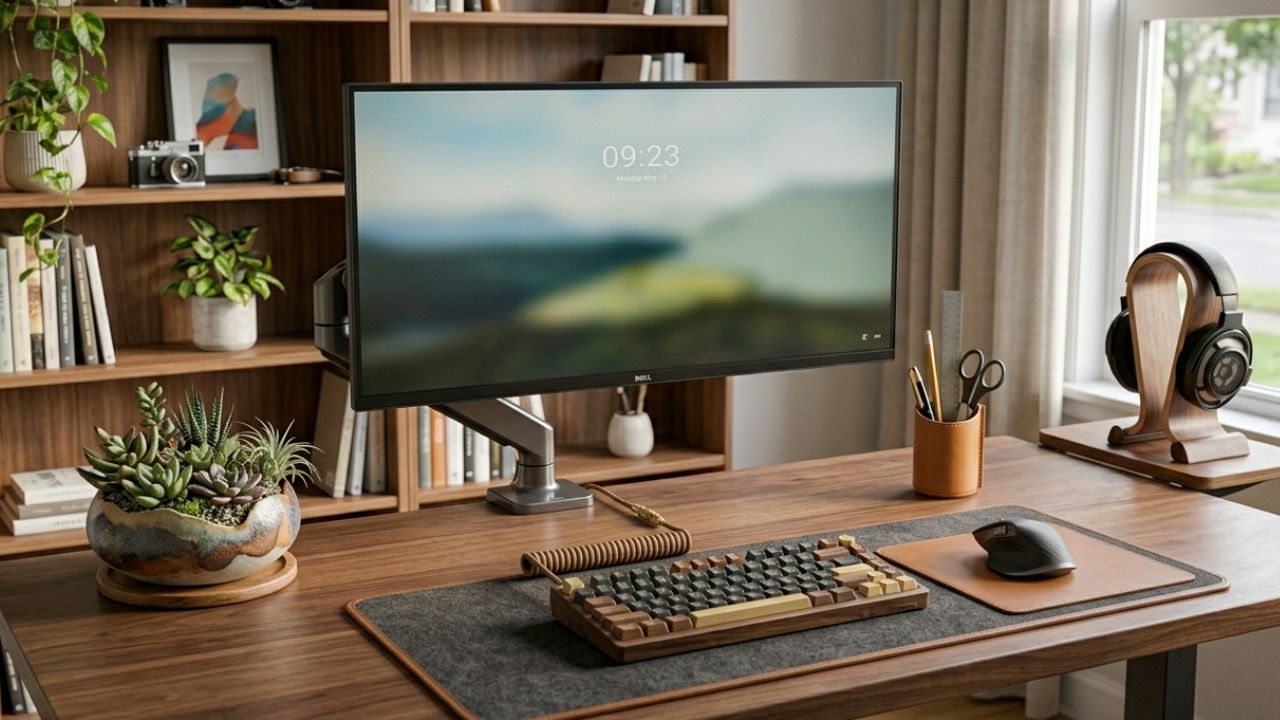
Is Your Messy Desk Quietly Killing Your Focus? Minimalist Tips That Actually Work
aidul.com - ever feel like your work is heavier than it should be even when your tasks haven’t changed? the problem might not be your workload. it could be your desk. a cluttered workspace doesn’t just look messy it creates mental noise. piles of paper, tangled cables, random sticky notes… they all compete for your attention. and over time, that drains your focus more than you realize. minimalism isn’t about owning less just for the sake of it. it’s about creating a space that helps you think clearly, work efficiently, and feel in control. here’s how to declutter your desk in a simple, realistic way no perfectionism required. 1. start with a full reset: clear everything off your desk most people try to “tidy up” by shifting things around. that rarely works. if you want real change, start by removing everything from your desk. yes everything. this step forces you to see your workspace with fresh eyes. we often get used to clutter, so we stop noticing how chaotic things actually are. clearing your desk gives you a clean slate and helps you rethink what truly belongs there. once everything is off, sort your items into three categories: things you use daily things you rarely use things you don’t need at all minimalism is all about function. if an item doesn’t serve a clear purpose, it’s probably just taking up space. this process also helps you detach from unnecessary items. you’ll realize that many things you’ve been keeping don’t actually support your work. when you rebuild your desk from scratch, every item earns its place. that intentional setup creates a sense of control and clarity something a cluttered desk can never give you. 2. use the “one function, one place” rule a major reason desks get messy is the lack of a clear system. items don’t have a fixed place, so they end up scattered everywhere. that’s where the minimalist rule comes in: every item should have a dedicated home. for example: keep all stationery in one container store important documents in one tray or folder assign a specific spot for gadgets and chargers this simple system reduces the time you spend searching for things and lowers small, daily frustrations. the key here is consistency. a system only works if you stick to it. make it a habit to return items to their designated place after using them. also, keep your setup simple: avoid overusing organizers choose clean, functional storage stick to neutral tones to reduce visual distraction the simpler your system, the easier it is to maintain. minimalism works best when it feels effortless, not complicated. 3. reduce visual noise: clean doesn’t always mean calm a desk can look “organized” but still feel overwhelming. that’s because visual clutter isn’t just about quantity it’s also about how things look. too many colors, shapes, and objects can still overload your brain. research from the princeton university neuroscience institute shows that excessive visual stimuli can interfere with your brain’s ability to focus. when your environment is visually busy, your brain has to work harder to process information reducing productivity. so even if your desk is technically tidy, too much decoration or visual variety can still distract you. here’s how to reduce visual noise: use a neutral color palette (white, gray, black, beige) limit decorations to 1–2 meaningful items hide cables to keep the surface clean store small items in drawers or closed containers the goal is to create a space that feels visually “light.” when your environment is calm, your mind follows. minimalism doesn’t mean boring it means intentional. your desk should support your focus, not compete with it. 4. build a 5 minute daily reset habit the secret to a consistently clean desk isn’t a big cleanup it’s small, daily maintenance. most people wait until their workspace becomes overwhelming before doing anything about it. that’s why clutter keeps coming back. instead, spend just 5 minutes a day resetting your desk. use that time to: put items back in their place throw away small trash (papers, wrappers, etc.) straighten your workspace remove anything you don’t need for the next day it may seem insignificant, but this habit prevents clutter from building up in the first place. more importantly, it trains your mindset. you become more aware of what you bring onto your desk and more intentional about keeping it clean. tips to stay consistent: set a daily reminder make it part of your end-of-work routine start small and keep it simple with this habit, you’ll never need a massive cleanup again. your desk stays ready, every single day. your desk isn’t just a surface it’s part of how you think and work. a cluttered space creates hidden stress, while a minimalist setup gives you clarity and control. start small. stay consistent. focus on what truly matters. because in the end, a clean desk isn’t the goal it’s a tool to help you do your best work.
You’re Not Tired, You Just Have Too Much: The Power Of Living With Less
aydul.com - what if the life you’ve been chasing more money, more stuff, more success is actually making you feel more overwhelmed instead of fulfilled? every day, we’re told to upgrade, buy more, and want more. bigger houses, newer gadgets, fuller schedules. but behind all of that, many people feel tired, distracted, and stuck in a cycle that never truly satisfies. now imagine the opposite. imagine waking up in a space that feels calm, not crowded. a mind that feels clear, not overwhelmed. a life where you’re not constantly chasing but actually enjoying what you already have. this is the idea behind life with less. it’s not about giving everything up or living with nothing. it’s about removing what doesn’t matter so you can finally focus on what does. more people around the world are starting to realize that having less can actually lead to feeling more more clarity, more freedom, and more peace. and the best part? you don’t need to change your entire life overnight to experience it. why living with less is beneficial living with less doesn’t mean living in deprivation. on the contrary, it’s about recognizing that “enough” is already more than sufficient. one of the biggest advantages of this lifestyle is reduced stress. a home filled with unused or unnecessary items often creates hidden mental clutter. every object demands attention, care, and space. by owning less, we also lighten our mental load. another benefit is improved focus. a clean and uncluttered environment allows us to concentrate on what truly matters our work, relationships, and personal growth. many people who adopt minimalism report feeling more productive because they are no longer distracted by excess. financially, living with less can be very empowering. when you only buy what you truly need, your spending becomes more intentional. this allows you to save more, invest wisely, or spend on meaningful experiences rather than material goods. over time, this builds a stronger sense of financial security and freedom. there’s also a significant improvement in overall quality of life. when we stop chasing material possessions, we begin to value experiences, time, and human connection more deeply. life becomes less about “having” and more about “being.” additionally, minimalism has a positive environmental impact. reducing consumption means less waste and fewer resources used. it’s a small but meaningful step toward a more sustainable lifestyle. ultimately, living with less is about awareness. it’s about consciously choosing what adds value to your life and having the courage to let go of the rest. it’s not limitation; it’s liberation. research on life with less a growing body of research suggests that happiness is not directly tied to how much we own. in psychology, there is a concept known as hedonic adaptation, which refers to our tendency to quickly get used to new things. this means that buying new items only brings temporary happiness before we return to our baseline level of satisfaction. studies have also shown that cluttered environments can increase levels of stress hormones like cortisol. in contrast, tidy and simple spaces promote a sense of calm and well-being. this helps explain why many people feel more relaxed in minimalist environments. research on spending habits indicates that experiences tend to bring longer-lasting happiness than material purchases. spending money on travel, learning, or time with loved ones creates deeper and more meaningful satisfaction. if you want to start managing your finances better and keep your spending under control, i have a book recommendation that can help you get started. you can purchase it below. oh, and by purchasing the book below, you’re also supporting the operation of this website and helping us continue creating more minimalist and meaningful content. thank you for your support! 4.3 ★★★★☆ (496) buy now minimalism is also linked to better mental health. by reducing distractions, individuals can focus more on self-awareness and personal well-being. this is especially relevant in the digital age, where constant notifications and information overload can lead to anxiety and burnout. from a productivity standpoint, studies show that multitasking and visual distractions reduce efficiency. a simplified environment allows the brain to process information more effectively and perform better. moreover, the concept of life with less aligns closely with sustainability research. overconsumption is one of the major contributors to environmental damage. by consuming less, individuals can reduce their ecological footprint while improving their own quality of life. in short, minimalism is not just a lifestyle choice driven by aesthetics or trends. it is supported by research showing real benefits for mental health, happiness, productivity, and the environment. simple ways to practice life with less adopting a life with less mindset doesn’t require drastic changes. small, consistent actions are often more effective and sustainable. here are some simple ways to get started: declutter regularly: go through your belongings and remove items you haven’t used in the past year. donate or sell what you no longer need. practice mindful buying: before purchasing something, ask yourself if it’s truly necessary or just an impulse. simplify your wardrobe: try a “capsule wardrobe” with versatile, essential clothing pieces. limit social media use: reduce screen time to avoid unnecessary distractions and comparisons. prioritize experiences: spend more on activities and memories rather than physical items. simplify your schedule: avoid overcommitting and leave room for rest and reflection. organize your workspace: keep your desk clean to improve focus and productivity. reduce notifications: turn off non-essential alerts to minimize interruptions. cook at home: it’s more cost-effective and helps you maintain a healthier lifestyle. keep what matters: hold onto items that serve a clear purpose or have meaningful value. it’s important to remember that minimalism is not about strict rules or numbers. it’s about finding a balance that works for your lifestyle. what feels minimal for one person may not be the same for another. starting small makes the transition easier and more sustainable over time. key principles to apply to consistently live a life with less, there are several important principles to keep in mind. first is awareness. without awareness, it’s easy to fall back into old consumption habits. make it a habit to ask, “do i really need this?” before making decisions. second is consistency. minimalism is not a one-time change but a long-term process. there will be moments of temptation to accumulate more, and consistency is what keeps you on track. third is prioritization. identify what truly matters in your life whether it’s family, health, career, or financial freedom. knowing your priorities makes it easier to say no to things that don’t align with them. fourth is letting go. many people struggle with minimalism because of emotional attachment to possessions. learning to let go is a crucial step. remember that memories live within you, not in objects. fifth is avoiding perfectionism. minimalism is not about having a picture-perfect home. it’s about creating a life that feels lighter and more intentional. progress matters more than perfection. sixth is building small habits. big changes come from consistent small actions, like decluttering one area at a time or reducing one unnecessary expense. seventh is reflection. take time to evaluate whether your lifestyle aligns with your values. this helps you stay intentional and adjust when needed. finally, remember that minimalism is a tool, not the end goal. the true goal is a more meaningful, peaceful, and fulfilling life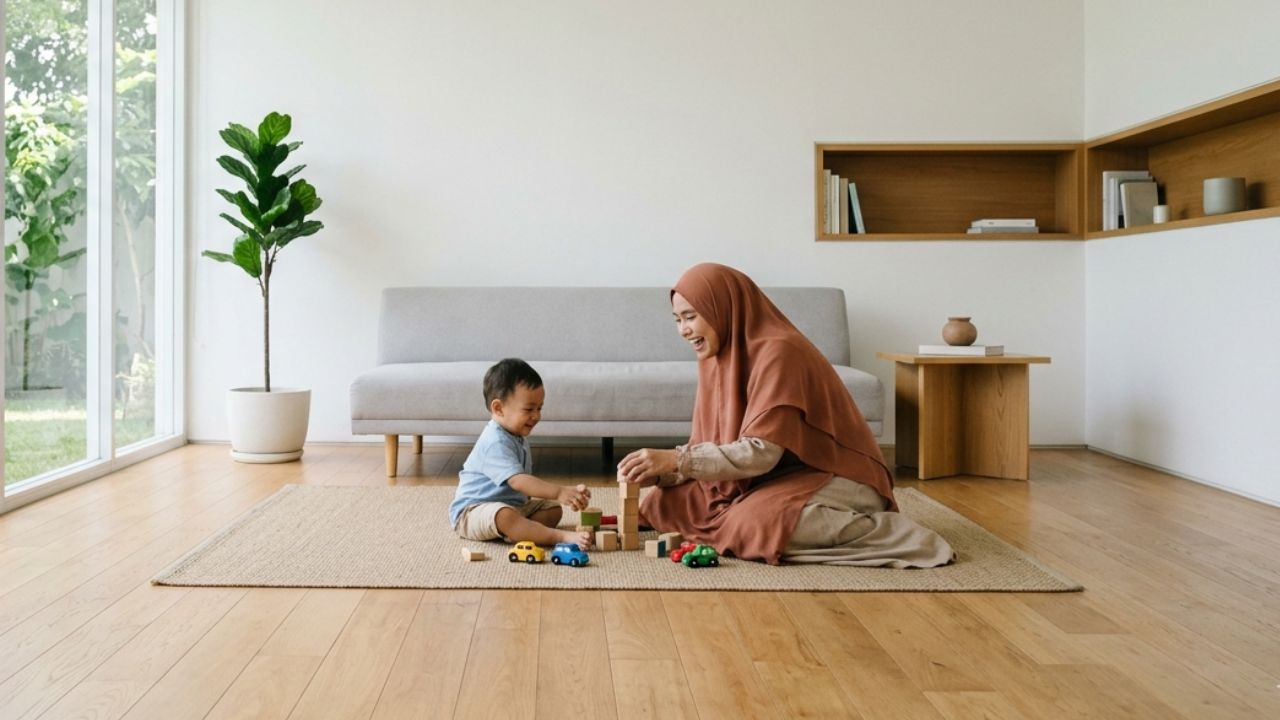
Tips For Managing Monthly Expenses For Families And Young Adults
aydul.com - managing monthly finances is an essential life skill that many people often overlook. whether you are a young adult just starting your financial journey or someone who already has a family, both groups face different challenges when it comes to handling income and expenses. without proper planning, it is very easy for money to run out before the end of the month. on the other hand, good financial management can bring peace of mind, reduce stress, and help you prepare for a more secure future. this article will discuss practical tips for managing monthly expenses that can be applied by both young adults and families. 1. creating a monthly budget creating a monthly budget is the most basic yet crucial step in managing your finances. a budget acts as a roadmap that shows where your money is going each month. without it, people tend to spend impulsively without realizing how much they are actually using. the first step is to calculate your total monthly income. this includes your salary, bonuses, and any additional income from side jobs or businesses. after that, list all your expenses, from essential needs to optional spending. here are the main components of a monthly budget: fixed income (monthly salary) additional income (freelance, business, bonuses) essential expenses (food, bills, transportation) flexible expenses (entertainment, shopping) savings and investments once everything is listed, categorize your spending into needs, wants, and savings. the 50/30/20 rule is a popular guideline, where 50% goes to needs, 30% to wants, and 20% to savings or investments. however, families may need to adjust this ratio depending on their responsibilities. having a clear budget helps you control your spending and avoid unnecessary expenses. it also ensures that every dollar you spend has a purpose. 2. differentiating between needs and wants one of the most common financial mistakes is failing to distinguish between needs and wants. this is especially true for young adults who are often influenced by trends and lifestyle pressures. needs are essential for daily living, such as food, housing, utilities, and transportation. wants, on the other hand, are things that are not necessary but provide comfort or enjoyment. here are some examples: needs: daily meals rent or housing costs work transportation wants: expensive café hangouts upgrading to the latest gadgets trendy fashion shopping problems arise when people prioritize wants over needs. this can quickly lead to overspending and financial instability. to manage this, you can apply these simple strategies: delay purchases for at least 24 hours create a priority shopping list set a monthly limit for entertainment for families, this distinction is even more important because financial decisions affect multiple people. prioritizing essential expenses like education, health, and household needs is key to maintaining financial stability. 3. tracking and evaluating expenses tracking your expenses is a simple habit that can make a huge difference in your financial life. by recording every transaction, you gain a clear understanding of where your money goes each day. many people feel like their money disappears quickly without knowing why. this usually happens because they do not track their spending. benefits of tracking expenses include: understanding spending habits identifying unnecessary expenses improving financial decision-making providing data for monthly evaluation there are several ways to track your expenses: using finance apps on your smartphone writing in a notebook creating a simple spreadsheet after tracking, the next step is evaluation. at the end of each month, review your spending and compare it with your budget. things to evaluate: did you stay within your budget? which category had the highest spending? are there expenses you can reduce? regular evaluation helps you improve your financial habits over time and ensures that you stay on track with your goals. to carry out this evaluation, you really need to write things down—relying on your phone would just ruin your focus. i’d like to recommend this to-do list notebook; it’s affordable and comes in a pack of three. if you're interested, please place an order, guys—your purchase helps this website grow. hehe buy now 4. building an emergency fund and saving money an emergency fund is one of the most important aspects of financial planning, yet many people ignore it. this fund is essential for handling unexpected situations such as medical emergencies, job loss, or urgent repairs. without an emergency fund, people often rely on debt, which can worsen their financial situation. recommended emergency fund amounts: young adults: 3–6 months of expenses families: 6–12 months of expenses in addition to emergency funds, saving money should become a regular habit. unfortunately, many people only save what is left over, which often results in no savings at all. effective saving tips: save at the beginning of the month use a separate savings account set up automatic transfers define clear savings goals benefits of saving and having an emergency fund: financial security reduced reliance on debt better preparation for future goals protection during unexpected events by consistently saving, you can build a strong financial foundation and feel more secure about your future. 5. avoiding consumer debt and starting investments debt is often seen as a quick solution, but if not managed properly, it can become a major burden. consumer debt, in particular, should be avoided because it is used for non-productive purchases. examples of consumer debt: gadget installments buy-now-pay-later shopping uncontrolled credit card usage this type of debt usually comes with high interest rates and can significantly reduce your monthly income due to repayments. ways to avoid consumer debt: spend within your means avoid impulsive buying limit credit card usage focus on essential needs in addition to avoiding debt, it is important to start investing early. investing allows your money to grow and protects it from inflation. beginner-friendly investment options: gold, mutual funds, stocks. tips for starting investments: start with small amounts understand the risks avoid “get rich quick” schemes stay consistent for the long term for young adults, starting early gives more time for growth. for families, investments help secure long-term goals such as children’s education and retirement. managing monthly expenses requires discipline and consistency. both young adults and families need proper financial planning to maintain stability and achieve their goals. by creating a budget, distinguishing between needs and wants, tracking expenses, saving regularly, avoiding unnecessary debt, and investing wisely, you can build a healthier financial future. remember, financial success is not about how much you earn, but how well you manage what you have. with the right habits, a secure and stable financial life is within reach.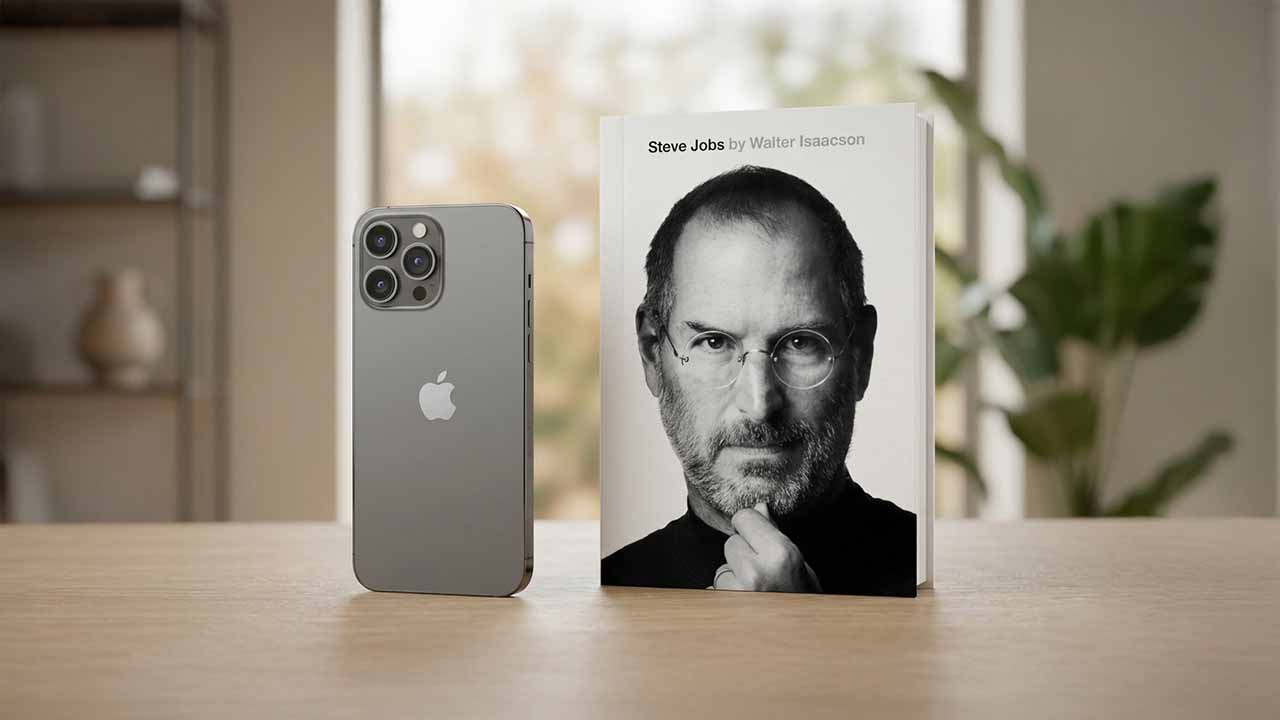
He Proved Simplicity Is The Ultimate Sophistication, How Steve Jobs Changed The World
aydul.com - steve jobs is one of the most iconic figures in modern technology and the driving force behind apple inc.. known for creating game-changing products like the iphone, ipad, and macbook, jobs didn’t just build gadgets, he changed the way people live, work, and communicate. what made him stand out wasn’t just innovation, but his obsession with simplicity, clean design, and user experience. he believed that great products don’t need to be complicated to be powerful. in this article, we’ll break down his background, why he’s often seen as a minimalist creator, his biggest achievements, and what made apple products so special under his leadership. if you’re into creativity, design, or tech, there’s a lot to learn from his journey. background of steve jobs steve jobs was born on february 24, 1955, in san francisco, california. he was adopted shortly after birth by paul and clara jobs, who raised him in what would later become silicon valley, the heart of the tech world. growing up, jobs was surrounded by electronics and hands on work. his adoptive father, a mechanic, taught him how to take things apart and put them back together. that early exposure played a big role in shaping his curiosity and love for building things. in high school, jobs met steve wozniak, a tech genius who would later become his business partner. the two shared a passion for electronics and started experimenting with computers together. after graduating, jobs went to reed college but dropped out after just one semester. still, he stuck around to attend classes that interested him like calligraphy. that might sound random, but it actually influenced the beautiful typography apple later became known for. in the early ’70s, jobs worked at atari before taking a trip to india. that journey had a big impact on him. he got into spirituality, mindfulness, and simple living ideas that later showed up in how he designed products. in 1976, jobs and wozniak started apple inc. in a garage. their first product, the apple i, was the beginning of something huge. but not everything went smoothly. in 1985, jobs was pushed out of apple after internal conflicts. instead of giving up, he started a new company called next and also invested in what became pixar. when jobs returned to apple in 1997, the company was struggling badly. but with his clear vision and focus, he turned things around and rebuilt apple into one of the most valuable companies in the world. his journey wasn’t easy, but that’s exactly what makes it so inspiring. why steve jobs is a minimalist creator steve jobs is often called a minimalist creator, and it’s easy to see why. his whole approach was about keeping things simple, clean, and focused. he believed that simplicity isn’t about having less, it’s about making things better. one of his most famous ideas was that “simplicity is the ultimate sophistication.” instead of adding more features just for the sake of it, jobs focused on removing what wasn’t necessary. that’s why apple products feel so easy to use they’re designed with intention. by the way, since you're inspired by steve jobs, i’d like to recommend this highly popular, inspiring book it’s one that even inspired me. if you purchase the book using my affiliate link below, you’ll be helping to support the continued operation of this website. 4.7 ★★★★★ (26,780) buy now take the iphone, for example. when it first came out in 2007, most phones were full of buttons. the iphone? just one main button. it was a bold move, but it made everything feel more natural and intuitive. jobs also applied minimalism to how apple operated. when he came back in the late ’90s, he cut down the number of products and focused only on a few key ones. that allowed apple to put more energy into making those products really great instead of spreading itself too thin. his mindset was also influenced by his time in india and his interest in zen buddhism. he learned the value of focus, clarity, and cutting out distractions. that thinking showed up in everything he did from product design to presentations. for jobs, design wasn’t just about how something looked it was about how it worked. he wanted everything to feel seamless, from hardware to software. that’s why apple products often feel so smooth and connected. in the end, his minimalist approach wasn’t just a style it was a philosophy. and it’s a big reason why his work still stands out today. achievements of steve jobs (apple products) steve jobs led the creation of some of the most important tech products ever made through apple inc.. his ideas didn’t just improve technology they changed entire industries. one of his early breakthroughs was the macintosh in 1984. it introduced a graphical interface and a mouse, making computers much easier for everyday people to use. then came the ipod in 2001. before that, listening to music on the go wasn’t very convenient. the ipod made it simple thousands of songs in your pocket. but the real game-changer was the iphone in 2007. it combined a phone, music player, and internet device into one and basically redefined what a smartphone is. in 2010, jobs introduced the ipad, opening up a whole new category between phones and laptops. some other key achievements: launching the macbook as a premium laptop line building apple’s ecosystem (icloud, app store, itunes) creating a strong brand that people connect with emotionally turning apple into one of the most valuable companies in the world jobs had a unique ability to see what people needed before they even knew it themselves. that’s what made his achievements so impactful. advantages of apple products created by steve jobs products built under steve jobs at apple inc. stand out for a reason, they’re designed with real people in mind. first, there’s the design. apple products are known for being clean, modern, and minimal. they don’t feel cluttered or confusing they just make sense. then there’s the ecosystem. devices like the iphone and macbook work seamlessly together. you can start something on one device and finish it on another without any hassle. another big plus is ease of use. apple products are super user-friendly, even if you’re not tech-savvy. everything feels intuitive. key advantages: simple, clean design smooth integration between devices reliable and fast performance strong security features regular software updates on top of that, apple products are built to last. the quality is high, which makes them a solid long-term investment. all of this comes from jobs’ vision: create products that are not only powerful, but also enjoyable to use. one of these iphones is the latest model released in 2026, the iphone 17 pro max and it’s highly sought after thanks to its powerful performance. if you’re planning to buy this phone, you can purchase it directly from amazon via the link i’ve provided in the button below; ordering through that link also helps support this channel. 4.2 ★★★★☆ (357) buy now message to readers the story of steve jobs shows that simplicity can be incredibly powerful. you don’t always need to do more sometimes, doing less (but doing it really well) is what makes the biggest difference. whether you’re creating something, building a business, or just figuring out your path, try to focus on what really matters. cut out the noise. keep things clear. because at the end of the day, the best ideas are often the simplest ones.
He Got Rid Of Almost Everything And Found Happiness: The Journey Of Fumio Sasaki
aydul.com - fumio sasaki is a japanese author widely recognized for his practical and deeply personal approach to minimalism. unlike many people who naturally live simply, sasaki began his journey from a life filled with clutter, comparison, and dissatisfaction. his story resonates with many because it feels real and relatable. through his experience, he shows that happiness is not about owning more, but about living more consciously. by letting go of what is unnecessary, he discovered space both physically and mentally for what truly matters. the beginning of fumio sasaki’s minimalist journey fumio sasaki did not start out as a minimalist. in fact, his life was once the complete opposite. he lived in a small apartment in japan that was overcrowded with belongings books, cds, clothes, and various items he rarely used. even though he owned many things, his space felt tight, messy, and far from comfortable. this clutter slowly affected his mental state, making it difficult for him to relax or focus. working as an editor in a publishing company, sasaki was constantly surrounded by books and media. over time, he developed a habit of collecting things without questioning whether he truly needed them. at the same time, he often compared himself to others colleagues who seemed more successful, more organized, and happier. this constant comparison made him feel inadequate, pushing him to buy more as a way to cope. the turning point came when he discovered the idea of minimalism through blogs and books. he was struck by how people with fewer possessions seemed calmer and more fulfilled. this sparked a simple but powerful question in his mind: do i really need all of this? he began making small changes. he got rid of clothes he never wore, reduced his book collection, and slowly removed items that didn’t serve a real purpose. letting go wasn’t easy, especially when certain objects carried emotional value. however, he learned that memories don’t have to be tied to physical things. as his space became cleaner and more open, he noticed a shift within himself. he felt lighter, calmer, and more in control. what started as a small experiment soon became a life-changing decision one that marked the true beginning of his minimalist lifestyle. why fumio sasaki chose to live a minimalist life the decision of fumio sasaki to embrace minimalism was driven by a growing sense of dissatisfaction with his life. despite having a stable job and enough material possessions, he often felt empty and unfulfilled. this emotional gap led him to reflect on the way he was living and question whether more possessions truly meant more happiness. one of the biggest factors was his habit of comparing himself to others. he constantly felt like he wasn’t doing enough or achieving enough, especially when he saw people around him who appeared more successful. this mindset created pressure and insecurity, which he tried to mask by buying more things. unfortunately, instead of solving the problem, it only made him feel worse. if you’d like to read the works of fumio sasaki, you can get them through the link below, directly from the author himself. electronic versions of fumio sasaki’s books are available, so you can read them anytime, anywhere. if you’re interested, you can purchase the book through the link below. 4.5 ★★★★★ (6.493) buy now his living environment also played a major role. his small apartment was filled with clutter, making it hard for him to feel comfortable or at peace. the physical mess translated into mental stress, leaving him overwhelmed and distracted in his daily life. some key reasons that led him to minimalism include: constant comparison with others, which lowered his self-confidence a cluttered living space that caused stress and discomfort overconsumption habits used as a way to cope with insecurity through these realizations, sasaki understood that his problem wasn’t having too little, it was having too much. too many things, too many distractions, and too many expectations. minimalism became his way out of that cycle, allowing him to rebuild his life with more intention and clarity. the benefits fumio sasaki experienced from minimalism after adopting a minimalist lifestyle, fumio sasaki experienced significant improvements in both his physical surroundings and mental well-being. minimalism didn’t just change how his apartment looked it transformed how he felt and how he approached life. one of the most immediate benefits was a cleaner and more organized living space. with fewer possessions, his apartment became more open and easier to maintain. this had a direct impact on his mood, making him feel more relaxed and at ease in his own home. and if you’re looking for another interesting read about minimalism, here’s another book recommendation by the same author, fumio sasaki. you can also get it through the link below. 4.4 ★★★★☆ (344) buy now mentally, he experienced greater clarity and focus. without the constant distraction of unnecessary items, he was able to think more clearly and be more productive. his stress levels decreased, and he found it easier to enjoy simple moments without feeling overwhelmed. some of the main benefits he experienced include: improved focus and inner calm due to a simpler environment better financial control by reducing unnecessary spending stronger self-confidence without relying on material possessions beyond these, minimalism gave him a sense of freedom. he no longer felt the need to constantly buy or own more. instead, he became more mindful about what he allowed into his life. this shift gave him more time and energy to focus on meaningful activities and personal growth. ultimately, minimalism helped sasaki redefine what happiness means. instead of chasing it through possessions, he found it in simplicity, awareness, and contentment with what he already has. what fumio sasaki achieved through minimalism the minimalist journey of fumio sasaki not only transformed his personal life but also led to significant achievements. one of his most notable accomplishments is his book, goodbye, things, which has become an influential work in the world of minimalism. in this book, he shares his personal story, practical tips, and insights into living with less. its honest and relatable approach resonated with readers around the world, leading to international recognition and translations into multiple languages. through this success, sasaki became a prominent voice in the global minimalist movement. he has also been invited to speak at events, interviews, and discussions, where he shares his experiences and inspires others to rethink their relationship with material possessions. his influence continues to grow as more people seek simpler and more meaningful ways of living. however, his greatest achievement goes beyond professional success. he found a sense of peace, fulfillment, and self-acceptance that he once struggled to achieve. minimalisme gave him the freedom to live without constant pressure and the ability to appreciate life as it is. in the end, sasaki’s journey shows that true success is not about how much you have, but how well you live with what you choose to keep.Subscribe Me
Get notified when new articles are published

Top Article
1