Best Budgeting Apps For Minimalist 2026
Aydul.com - Managing your money shouldn’t feel complicated. But for a lot of people, budgeting apps end up doing exactly that, they make things more confusing instead of easier. I’ve personally tried several budgeting apps over the past few years. At first, I was motivated to track every expense. But after a while, I noticed something: the more complex the app, the less I used it.
And I’m not the only one.
Many users say they quit budgeting apps after a few weeks because they feel too overwhelming or time-consuming. That’s why minimalist budgeting is becoming more popular in 2026. The goal isn’t to track everything perfectly, it’s to use a simple system you can stick with. Here are some of the best budgeting apps right now that actually work for a minimalist lifestyle.
1. YNAB (You Need A Budget)
YNAB is one of the most popular budgeting apps, and it follows a simple rule: every dollar should have a job. Instead of just tracking your spending, YNAB helps you plan where your money goes before you spend it. This approach is called zero-based budgeting. From experience, this method can really change how you think about money. You become more intentional with your spending. The downside? It takes time to learn, and you need to stay actively involved.
Best for: People who want full control and don’t mind putting in effort.
2. Rocket Money
One of the biggest problems today isn’t big purchases—it’s small, recurring expenses. Think about subscriptions:
- Netflix
- Spotify
- Apps you forgot about
Rocket Money helps you find and manage these automatically. It scans your transactions and shows you exactly where your money is going. It can even help cancel subscriptions or lower your bills. Best for: People who want to quickly cut unnecessary expenses.
3. Copilot Money
Copilot is one of the trendiest budgeting apps in 2026, especially for Apple users. What makes it different is its use of AI. The app learns your spending habits and automatically categorizes your transactions over time. It also has a clean, modern design, which makes it easier to check your finances regularly. From my experience, Copilot feels less like a tool and more like a personal assistant.
Best for: People who want automation and a clean user experience.
4. PocketGuard
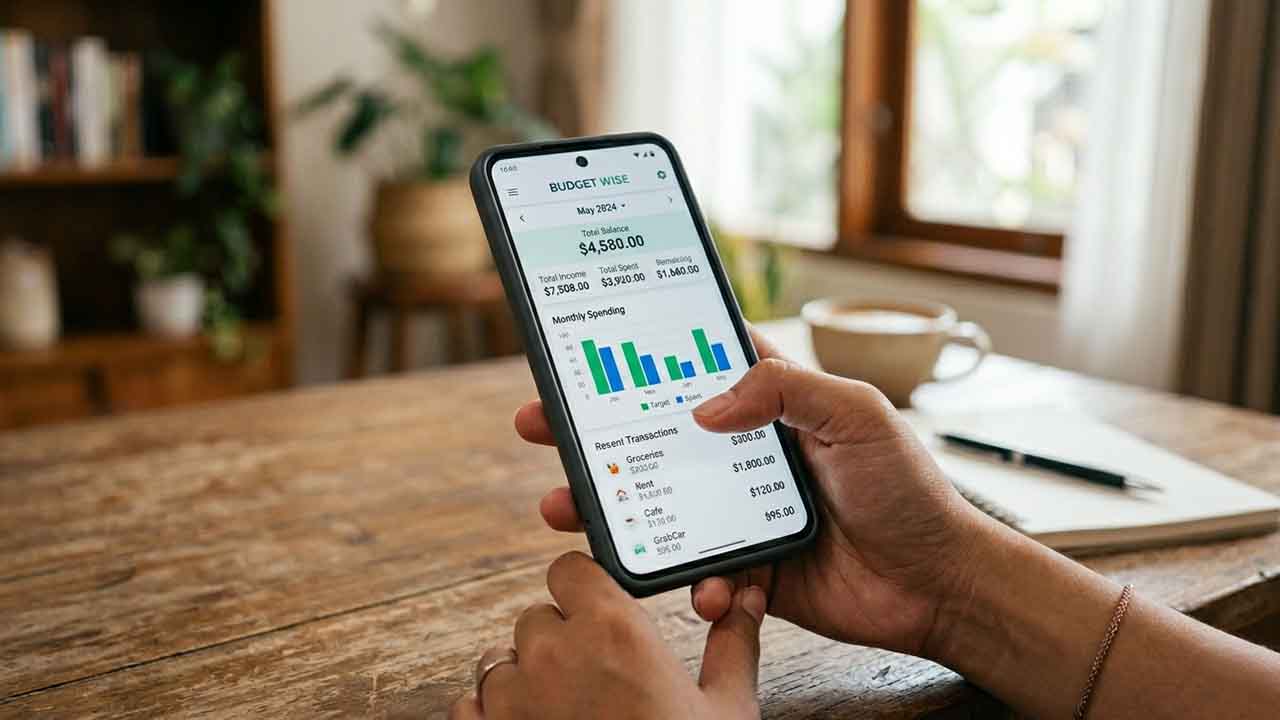
If you want something really simple, PocketGuard is a great option. Its main feature is straightforward: it shows how much money you have left to spend after bills and savings.
That’s it.
No complicated reports. No overwhelming data. Just one clear number that helps you make daily decisions. Best for: Minimalists who want a quick and simple overview.
5. Quicken Simplifi
Quicken Simplifi is designed for people who don’t want to spend time managing their budget manually. You connect your accounts, and the app automatically tracks your income and spending. It’s simple, affordable, and easy to use, though not as detailed as apps like YNAB.
Best for: People who want a hands-off approach.
Why Simpler Apps Work Better
After trying different apps, and reading other users’ experiences, one thing is clear: Most people don’t fail at budgeting because they lack tools.
They fail because the tools are too complicated. Some users even say they prefer extremely simple systems, like quick notes or basic tracking, instead of full-featured apps.
The truth is: A simple system you use every day is better than a complex system you quit after a week.
A New Trend in 2026
Interestingly, not everyone is using budgeting apps anymore. Some people are going back to basics:
- writing expenses in notes
- using simple trackers
- or just being more aware of spending
Why? Because it’s faster, easier, and feels more natural. This shows that budgeting isn’t really about the app, it’s about your habits.
How to Choose the Right App
If you want to keep things simple, look for an app that:
- Is easy to understand in minutes
- Doesn’t require too much manual input
- Shows clear, useful information
- Fits your daily routine
If it feels like a chore, you probably won’t keep using it.
Final Thoughts
In 2026, budgeting apps are more advanced than ever, but the trend is moving toward simplicity. Apps like YNAB, Rocket Money, Copilot, PocketGuard, and Simplifi all offer different features. But the best one isn’t the most powerful, it’s the one that works for you. Minimalism is about focusing on what matters. And when it comes to money, consistency matters more than complexity.
COMMENT

RELATED POST




Subscribe Me
Get notified when new articles are published