Minimalist Emergency Fund Strategy
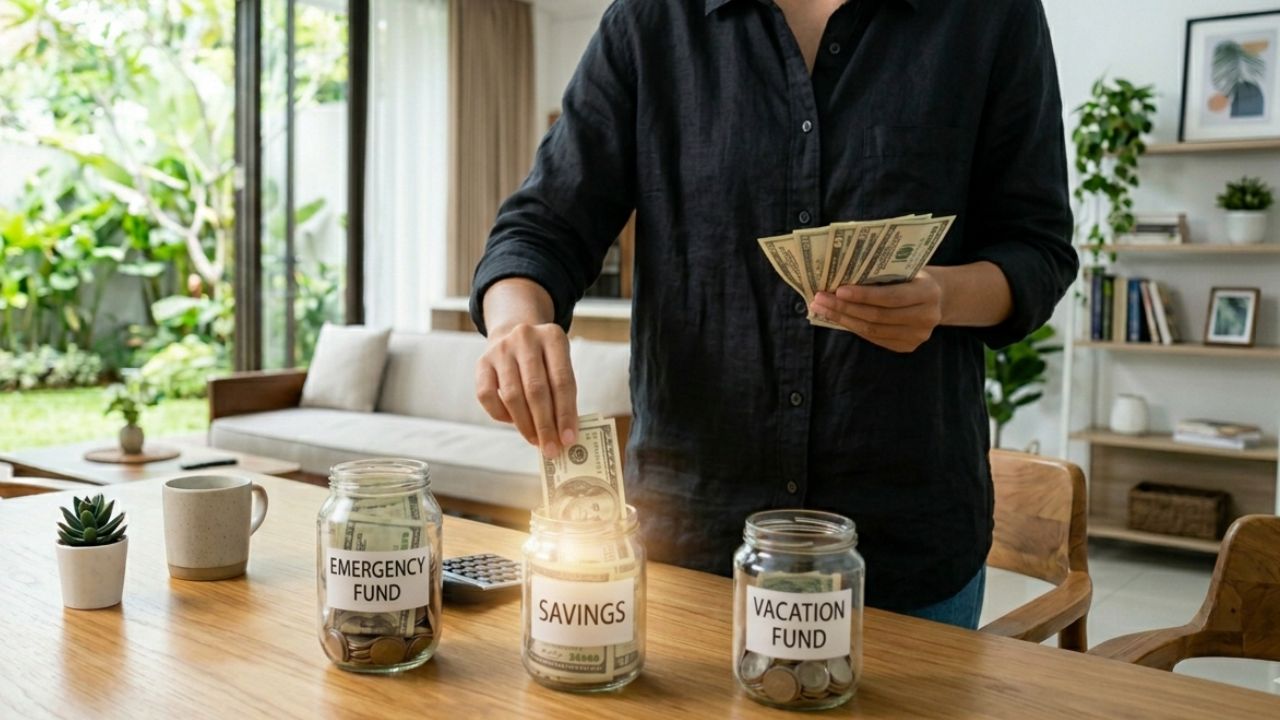
Aydul.com - When it comes to personal finance, an emergency fund is often seen as a must-have but also something that feels overwhelming to build. A lot of people give up before they even start, especially when they hear they need to save 6–12 months’ worth of expenses. The truth is, it doesn’t have to be that complicated. A Minimalist Emergency Fund Strategy offers a simpler, more realistic way to get started. The idea is straightforward: having a small emergency fund is far better than having none at all.
What Is a Minimalist Emergency Fund Strategy?
A Minimalist Emergency Fund Strategy focuses on building your emergency savings in a simple and manageable way. Instead of aiming for a large amount right away, you start with a smaller, more achievable target based on your current financial situation. This approach removes the pressure and helps you focus on consistency rather than perfection.
Why This Approach Feels More Realistic
One of the biggest reasons people don’t build an emergency fund is because the goal feels too far out of reach. When the target is overwhelming, it’s easy to procrastinate or not start at all. A minimalist approach changes that mindset. By setting smaller goals, you make progress feel attainable. In today’s world, where living costs keep rising, this kind of flexibility matters more than ever. You’re still protecting yourself financially, just in a way that fits your reality.
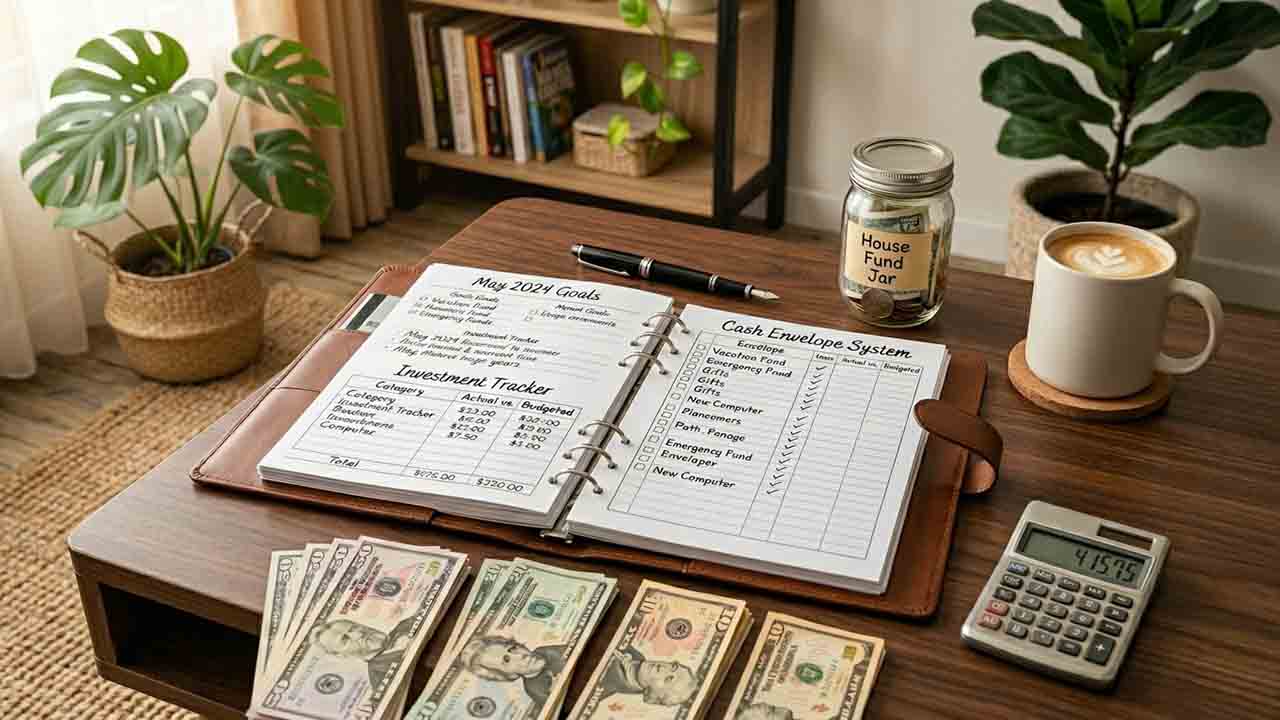
Reading about better money habits is a great start, but turning those ideas into action is what makes the difference. One simple way to stay consistent is by writing down your financial goals, monthly expenses, savings targets, and progress in a dedicated budget planner. A physical planner helps reduce distractions and gives you a clearer picture of where your money is going. The Clever Fox Budget Planner is designed to help you organize your finances in one place. It includes sections for monthly budgeting, expense tracking, bill planning, financial goals, savings plans, and personal money strategies making it easier to build better financial habits over time. Check the Clever Fox Budget Planner on Amazon and start building a budgeting system that actually works for you.

How to Start a Minimalist Emergency Fund
- Start small - You don’t need a huge amount right away. Even a small goal like saving $100 or $200 can make a difference. It’s enough to handle minor emergencies like unexpected bills or small repairs.
- Focus on essentials - Figure out your basic monthly expenses, such as food, housing, and transportation. From there, you can set your next goal, like covering one month of essential costs.
- Save consistently - The amount doesn’t have to be big. What matters is consistency. Setting aside 5–10% of your income regularly can go a long way over time.
- Keep it separate - Store your emergency fund in a separate account so it doesn’t get mixed with everyday spending money. This helps you avoid the temptation to use it for non-urgent things.
- Build it step by step - Once you reach your first goal, move on to the next one. There’s no need to rush, the key is steady progress.
Common Mistakes to Avoid
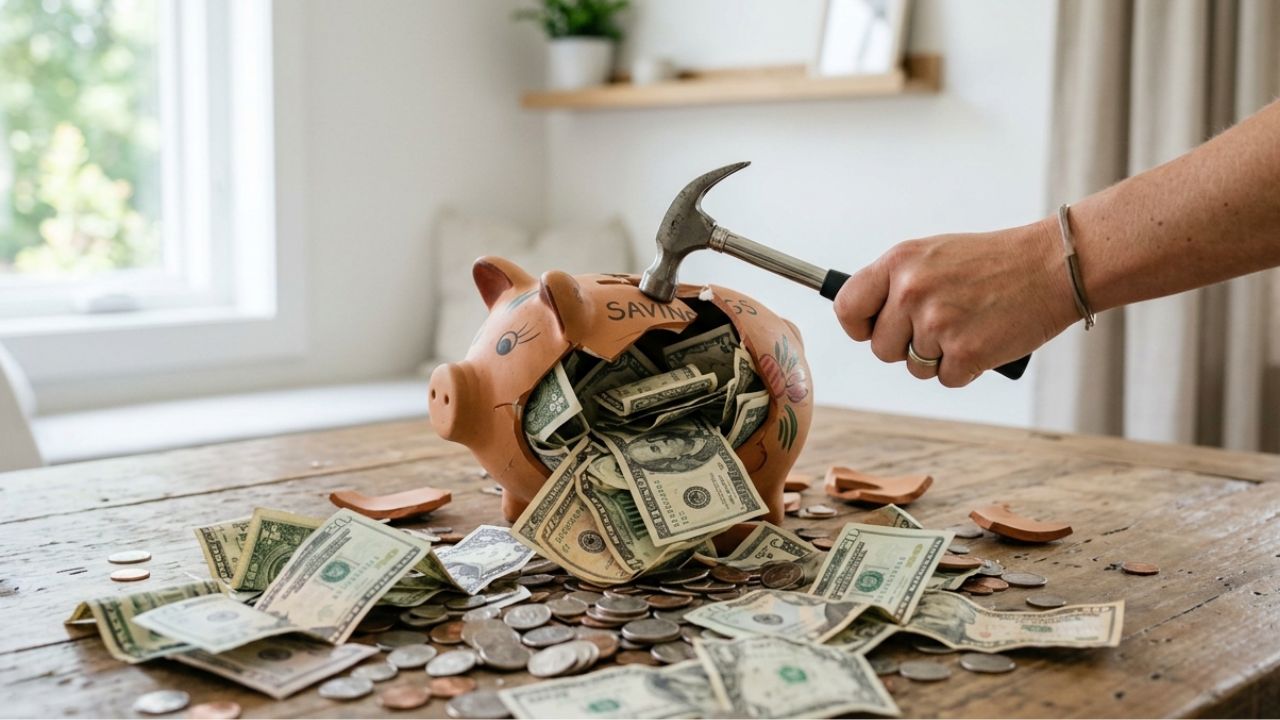
A lot of people wait for the “perfect time” to start saving. In reality, there’s rarely a perfect moment and that’s exactly why an emergency fund matters. Another common mistake is mixing emergency savings with other funds, which makes it easier to spend unintentionally. And of course, using it for things like sales or impulse purchases defeats the purpose. An emergency fund should only be used for actual emergencies.
The Benefits You’ll Notice
This strategy helps you build financial security without feeling overwhelmed. Even a small cushion can reduce stress and give you peace of mind. As your savings grow, you’ll likely feel more motivated to keep going. Over time, you’re not just building money you’re building better financial habits.
Who Is This For?
This approach works well for almost anyone, especially beginners, people with limited income, freelancers, or those with irregular earnings. You don’t need to wait until everything is stable to start. What matters most is getting into the habit and sticking with it. Small steps may not feel like much at first but over time, they add up in a big way.
COMMENT

RELATED POST


Subscribe Me
Get notified when new articles are published