
I Started Using A Tote Bag And Realized I Was Bringing Home Too Much
aydul.com - i used to never think much about plastic bags when shopping at convenience stores or supermarkets. after paying, i would take the bag, put my groceries inside, and bring it home. sometimes i reused it, but often the bags just piled up around the house. since i wanted to live a more minimalist lifestyle, i started bringing my own tote bag when shopping. it is a simple habit, but it made me realize that we can reduce many unnecessary things just by changing small habits. why i started using a tote bag for me, bringing a tote bag is not about trying to look eco-friendly. i simply wanted to stop bringing home things i did not really need. instead of taking a new plastic bag every time i shop, i can use the same tote bag again and again. it also reminds me of a simple idea: use what you already have before getting something new. this is similar to the idea behind using things until they are no longer useful. one tote bag can be enough i don't think we need a large collection of tote bags. if one bag is enough for everyday shopping, i would rather keep using it than buy another one just because the design looks nice. when choosing a shopping bag, i usually look for a few simple things: it is strong enough to carry groceries. the handles feel comfortable. it is easy to store. it is easy to clean. i can use it many times. for me, a simple shopping bag that gets used regularly is much more useful than a beautiful bag that stays in the closet. looking for a reusable shopping bag?, if you want to start bringing your own bag when shopping, an insulated reusable shopping bag can be a practical option. it can be useful for carrying groceries, food, and drinks while helping you avoid taking a new single-use bag every time. check out this reusable shopping bag on button link amazon below 4.6 ★★★★★ (7.108) buy now a simple way to reduce plastic waste one plastic bag may not seem like a big deal. but if we take a new bag every time we shop, the number can quickly add up. bringing a reusable shopping bag is one small way to reduce the number of single-use plastic bags we use. there is also an important point here: a reusable bag only makes sense if we actually reuse it. buying several new bags and barely using them does not really fit the idea of minimalism. that is why i think the goal is simple: use the bag you already have. use it as many times as possible. avoid taking a new plastic bag when you don't need one. don't buy more bags just because they look interesting. this idea is also closely related to the japanese philosophy of mottainai, which encourages us not to waste things that still have value. it also makes me think before buying something else changed after i started bringing a reusable bag. i became a little more careful about what i buy. not because a shopping bag magically stops me from shopping, but because i started paying more attention to what i actually need. before buying something, i sometimes ask myself: do i really need this? do i already have something similar? will i actually use it? am i buying it just because it is cheap? these questions may seem simple, but they can help us avoid wasteful spending. sometimes the best way to save money and reduce waste is simply not to buy something we don't really need. minimalism can start with small habits i have learned that minimalism does not have to be complicated. we don't have to throw away everything we own or completely change our lifestyle overnight. it can start with something as simple as bringing a reusable bag when we go shopping. we use what we already have, avoid unnecessary plastic bags, and think a little more carefully before buying something new. for me, this is what makes minimalism practical. it is not about having as few things as possible. it is about using what we have, buying only what we need, and avoiding unnecessary waste. and if you are trying to stop overspending, this small habit can be a good place to start. small habit, simple impact a reusable shopping bag will not solve the plastic waste problem by itself. but i believe small habits still matter when we keep doing them. the next time i go shopping, i would rather bring the bag i already have than take another single-use plastic bag. it may seem like a very small choice, but sometimes a simpler life really does start with small decisions.
What Can We Learn From World Cup Stadiums That Stay Clean Despite Being Filled With Thousands Of Fans?
aydul.com - during every fifa world cup, most fans focus on spectacular goals, tactical decisions, and the performances of star players. however, there's another remarkable sight that often goes unnoticed, despite being just as inspiring: stadiums that return to being clean even after hosting tens or even hundreds of thousands of spectators. at first glance, this may seem ordinary. but if you think about it more deeply, maintaining cleanliness in such a crowded environment doesn't happen by accident. it requires awareness, discipline, and a strong sense of responsibility from every individual. interestingly, these values closely reflect the principles of japanese minimalism. it's not simply about owning fewer things, but also about respecting shared spaces and leaving them in better condition than when we arrived. why do stadiums stay clean after the match? once the match is over, thousands of spectators leave the stadium almost at the same time. in many countries, this often results in piles of plastic bottles, food wrappers, and trash scattered throughout the seating areas. however, there have been many occasions that have captured worldwide attention. some supporters choose to stay behind for a few extra minutes after the match to pick up litter around their seats. they bring their own garbage bags, collecting plastic bottles, food packaging, and small pieces of trash left behind. they do this not because there are rewards or special rules, but because they believe that taking care of the space they used is a shared responsibility. simple habits like these allow a stadium to become clean and organized again in a relatively short time. the philosophy of "clean before you leave" image by aydul.com in japanese culture, people are taught not to leave unnecessary burdens for others. this principle can be seen in many aspects of daily life, from schools and workplaces to public spaces. children are encouraged from an early age to clean their own classrooms. at home, every family member shares the responsibility of keeping the house clean. in public places, littering is considered disrespectful because it creates inconvenience for others. this mindset leads to one simple habit: "if you use a place, leave it clean before you go." this philosophy closely aligns with the concept of minimalism. a clean and organized environment is not only visually pleasing, but also creates a comfortable space for everyone who uses it. minimalism is about more than owning less many people believe that minimalism simply means owning fewer possessions. in reality, the true purpose of minimalism is to create a living space that genuinely supports everyday life. a clean home doesn't have to be empty. likewise, a home filled with belongings can still feel comfortable if everything is well organized. that's why cleanliness is an essential part of a minimalist lifestyle. when every item has its place and clutter doesn't pile up, a home naturally feels more spacious, peaceful, and easier to maintain. how to apply this habit at home you don't have to wait for a special occasion to start keeping your home clean. in fact, the small habits you practice every day have the greatest impact. here are a few simple examples: tidy your desk before going to bed. wash the dishes immediately after eating. return items to their proper place after using them. empty the trash before it becomes full. spend just five minutes every evening tidying up your living space. these activities only take a few minutes, but when practiced consistently, they make keeping your home clean much easier. a tidy life begins with small responsibilities many of us want our homes to stay clean all the time, yet we often forget that cleanliness isn't the result of a major cleaning session every few weeks. a tidy home is usually built through small habits performed consistently before clutter has a chance to accumulate. hanging up your jacket after wearing it, folding your blanket every morning, or throwing away food packaging immediately after use may seem insignificant. however, when everyone in the household practices these simple habits, the results become remarkably noticeable. why does cleanliness bring peace of mind? many people find that a clean environment helps them concentrate more easily. when your desk is free from clutter, it's easier to stay focused on your work. when your living room is tidy, your home feels more relaxing after a long day. on the other hand, a cluttered room creates visual distractions that can make your mind feel overwhelmed. this is one of the reasons why many people who embrace minimalism say their homes feel not only cleaner, but also calmer. cleanliness doesn't just improve the appearance of a space—it also has a positive impact on your overall state of mind. a valuable lesson from world cup stadiums image by aydul.com stadiums that remain clean even after being filled with thousands of spectators remind us that meaningful change doesn't always begin with grand actions. when every individual takes responsibility for their own trash, the result is a cleaner and more enjoyable environment for everyone. the same principle applies at home. you don't need a major renovation or expensive new furniture to create a more comfortable living space. simply start with small daily habits: clean up after yourself, return things to where they belong, and avoid putting off simple tasks until later. in the end, a tidy home isn't created because we have more free time. it's created by building small, consistent habits every single day. sometimes, the greatest lessons about organized living don't come from books or seminars—they come from watching a stadium become spotless again after tens of thousands of fans have gone home.
The World Cup Teaches One Important Lesson: The Simpler The Strategy, The More Effective The Game
aydul.com – while watching the fifa world cup, many people are captivated by individual brilliance, dazzling dribbles, or spectacular long-range goals. but if you look more closely, you'll notice that many of the world's best teams don't win matches by playing complicated football. they play with simplicity. accurate short passes, efficient off-the-ball movement, and quick decision-making are often far more effective than excessive individual plays. at the highest level of football, victory isn't determined by who makes the most moves, but by who makes the right move at the right time. interestingly, this principle closely resembles the philosophy of minimalism. minimalism doesn't mean doing less out of laziness. instead, it teaches us to eliminate unnecessary things so we can focus our energy on what truly matters. whether on the football pitch or in everyday life, simplicity often produces greater results than complexity. why don't great teams always play complicated football? many people assume that the best teams always rely on highly complex strategies. in reality, most coaches try to make the game as simple as possible for their players. the reason is quite straightforward. in a fast-paced match, players only have a few seconds to make decisions. the more complicated the playing style, the greater the chance of making mistakes. that's why top teams master the fundamentals exceptionally well, such as: accurate passing. simple ball control. effective off-the-ball movement. clear communication. disciplined positioning. they don't waste energy on movements that provide no real advantage. simplicity doesn't limit creativity—it gives every action a clear purpose. a short pass is often more powerful than a long dribble in modern football, a single simple pass can completely change the course of a match. a well-timed pass is often far more effective than a player trying to dribble past five defenders on their own. why? because football is a game of efficiency. the fewer touches needed to reach the opponent's goal, the lower the risk of losing possession. the same lesson applies to everyday life. we often believe that achieving our goals requires doing many things at once. in reality, progress comes from focusing on the few steps that truly matter. it's not about being busier. it's about being more intentional. the philosophy of "less, but better" renowned industrial designer dieter rams introduced the famous principle of "less, but better." it means that something doesn't need countless features to be exceptional. what matters most is that every element serves a clear purpose. this principle can also be seen in football. effective teams don't always create dozens of scoring opportunities. they simply need a few high-quality chances to win the match. minimalism follows the same mindset. a comfortable home isn't defined by excessive decoration. a productive workspace isn't measured by the amount of equipment it contains. a well-planned schedule isn't one where every minute is occupied. what truly matters is keeping only what is genuinely necessary. modern life is filled with too many "unnecessary moves" without realizing it, our lives are often filled with activities that don't actually bring us any closer to our goals. we open social media for just five minutes and end up scrolling for nearly an hour. we buy things simply because they're on sale, not because we truly need them. we pack our calendars with too many commitments and forget to leave time to rest. it's like a football player who keeps dribbling but never makes the pass. it looks busy, but it isn't necessarily effective. minimalism encourages us to pause and ask ourselves: "is this activity actually helping me move closer to my goal?" if the answer is no, perhaps it's something we don't need to do at all. how to simplify your daily routine you don't need to completely transform your life to experience the benefits of minimalism. simply begin with small habits that make each day feel lighter and more manageable. for example: identify your three most important priorities every morning. organize your desk before starting work. reduce unnecessary notifications. limit the time you spend on social media. choose tomorrow's outfit the night before. keep only the items you use regularly. simple routines like these reduce the number of decisions you need to make each day. as a result, your mental energy can be reserved for what truly matters. focus always beats busyness there's a significant difference between being busy and being productive. someone can appear active all day without accomplishing anything truly important. on the other hand, a focused person may do fewer things while achieving much greater results. football offers the same lesson. a team can dominate possession throughout the match and still lose. the winning team is often the one that makes the most of its opportunities. the same applies to life. we don't have to do everything—we simply need to consistently focus on what matters most. a minimalist lesson from the football pitch the fifa world cup reminds us that the best strategies are often the simplest ones. victory is usually built on simple decisions executed with discipline and consistency. the right pass. efficient movement. a clear focus on the goal. no wasted actions. the same philosophy can be applied to everyday life. a tidier home doesn't always require more furniture. finishing work on time doesn't always require longer working hours. a more peaceful life doesn't always require dramatic changes. more often than not, all we need is to remove the unnecessary so we can give our full attention to what truly matters. because in the end, whether in football or in life, success doesn't come from doing more—it comes from doing the right things in a simpler, more intentional way.
My First E-book Is Finally Here! Inspired By My Real Experience Working With Japanese Professionals
the e-book “japanese tips to stay clean, organized, and consistent at work” has finally been completed, and this is my first achievement in creating something useful for others. for those who don’t know why i created this book, this e-book aims to solve the problems of people whose daily lives feel overwhelming and who have lost their passion for working. in this e-book, i explain lessons based on the daily lifestyle of japanese people, whose lives often appear simple and not overloaded. in fact, there are even elderly workers who continue working because they genuinely enjoy their jobs. everything is based on experience did i make this e-book carelessly? of course not. everything is based on my personal experience when i worked as an employee under japanese leadership. from there, i learned and began to understand why japan is known for being clean, organized, minimalistic, and disciplined. that experience also made me interested in exploring the positive values of japanese culture. i even discovered that many people continue working into old age because they truly love what they do. in this e-book, i explain the benefits through only 5 core chapters, but each one has a huge impact and can be applied in daily life. the first is ikigai, which teaches about meaning and purpose in life, what we want to achieve, and how understanding ikigai can help us stay committed to the work we pursue for a long time. the 5s method, this was taught in the company where i used to work. it explains how japan became a country that is organized, clean, and simple. everything starts with the 5s method. zanshin, this teaches us to stay relaxed and focused even when facing challenges, such as complicated work or other difficult situations. osoji, this is very important because japan is extremely clean. it turns out they regularly conduct thorough cleaning activities every year. ma, have you ever wondered why japanese people love minimalist spaces with fewer items? all of that is explained in the philosophy of ma. we can see why homes in japan are functional yet still aesthetically pleasing to the eye. read for a few minutes and instantly understand the uniqueness of this book is that it is very easy to understand for anyone who reads it. inside, there are only 10 pages containing the core ideas i summarized from my learning journey. the benefit is that it can help you stay motivated in your career, whether you work in a company or run your own business. it can also shape you into someone who enjoys cleanliness, values useful things, and appreciates a minimalist and aesthetic lifestyle. so, you no longer need to feel overwhelmed or lost without purpose in life — everything can start to change after reading this e-book. if you want to get the e-book, you can directly checkout below. the price is affordable. buy now e-book: japanese tips to stay clean, organized, and consistent at work author: aidul azis
Mcdonalds Goes Ai-powered: The Fast Food Industry May Never Be The Same Again
aydul.com – artificial intelligence (ai) is no longer just a futuristic technology. over the past few years, ai has transformed the way people work, shop, and enjoy everyday services. now, one of the world’s largest fast-food chains, mcdonald’s, is accelerating this transformation by implementing various ai-based systems across its operations. this move proves that the ai revolution is not only happening within technology companies like google or openai, but is also expanding into the food and beverage industry that serves millions of customers every day. why is mcdonald’s investing heavily in ai? every day, mcdonald’s serves tens of millions of customers across different countries. with such a massive transaction volume, efficiency becomes an extremely important factor. even slight delays in the ordering process or mistakes in the kitchen can impact the overall customer experience. through ai technology, mcdonald’s aims to overcome these challenges. ai systems are used to help take orders, predict operational needs, optimize food inventory, and monitor kitchen equipment performance in real time. in some locations, ai is even applied to drive-thru services, where the system can understand customer voices and automatically convert them into orders without human intervention. this technology is designed to speed up service while reducing the long queues that often occur during busy hours. from a restaurant chain to a data-driven company the biggest transformation taking place is not merely the use of ai for taking orders. mcdonald’s is gradually evolving into a company that uses data as the primary foundation for decision-making. every transaction can be analyzed by the system to understand customer behavior patterns. for example, which menu items are purchased most frequently at certain hours, which products are commonly bought together, and even how weather conditions can influence sales. with this information, ai can help provide more relevant recommendations to customers while also assisting management in optimizing restaurant operations. this approach demonstrates how data has become a crucial asset in modern business. decisions are no longer based solely on intuition, but also on more accurate and measurable analysis. the connection between ai and the philosophy of minimalism interestingly, mcdonald’s ai adoption trend has a strong connection to the principles of modern minimalism. many people understand minimalism as an effort to reduce the number of possessions they own. however, in a broader context, minimalism is about eliminating things that do not provide value so energy can be focused on what truly matters. the same concept is applied in the use of ai. mcdonald’s does not use ai to increase operational complexity. instead, the technology is intended to reduce repetitive tasks, speed up time-consuming processes, and minimize unnecessary errors. in other words, ai helps companies create systems that are simpler yet more effective. in an increasingly complex world, this approach is becoming more relevant. many organizations are beginning to realize that productivity is not about working harder, but about working smarter through automation and process simplification. challenges that still need to be addressed although ai offers many promising benefits, its implementation does not always run smoothly. some of mcdonald’s previous ai drive-thru trials received criticism because the system misunderstood customer orders. mistakes like these show that the technology still has limitations, especially when dealing with various accents, dialects, or noisy environments. in addition, concerns have emerged regarding the future of the workforce. some people worry that increasing automation will reduce the need for human employees. however, mcdonald’s has emphasized that ai is used as a support tool rather than a complete replacement for humans. employees still play an important role in ensuring service quality, handling complex situations, and providing the personal touch that machines cannot deliver. the future of the fast food industry what mcdonald’s is doing today is most likely just the beginning. in the coming years, ai usage is expected to become even more widespread in the fast-food industry. customers may see more automated ordering systems, more personalized menu recommendations, smarter inventory management, and kitchens capable of operating with significantly higher efficiency. for consumers, these changes mean faster and more accurate service. meanwhile, for companies, ai becomes a tool to increase productivity while reducing resource waste. ultimately, mcdonald’s move demonstrates that the future of business depends not only on technological innovation, but also on the ability to simplify complex processes. this is where ai and minimalism intersect: both aim to eliminate unnecessary elements so focus can be placed on what truly matters. sources: reuters, livemint, new york post, techspot, pymnts, southern living, eathealthy365, and qsr pro
9 Simple Ways To Create A Calm And Aesthetic Space You Will Love Coming Home To
aydul.com - in today's fast-paced world, coming home to a clean and comfortable room can feel incredibly refreshing. a well-organized space is not only pleasing to the eye, but it can also help calm your mind and improve your focus while working or relaxing. the good news is that creating an aesthetic room doesn't always require a large budget or a complicated renovation. with a few simple changes, your space can feel much more comfortable and inviting. here are 9 tips from me that you can try to make your room look more peaceful and aesthetic. choose soft and calming colors colors have a significant impact on the atmosphere of a room. if you want to create a peaceful feeling, consider using neutral tones such as white, cream, beige, light gray, or earthy colors. these shades make a room feel more spacious, clean, and comfortable to spend time in. you can also add a touch of green through houseplants to bring more life into the space. reduce unnecessary clutter one of the main reasons a room feels crowded is having too many unnecessary items. take some time to sort through belongings that you rarely use anymore. you can even apply the japanese 5s philosophy to help keep your space organized. the fewer unnecessary items you have, the more open and comfortable your room will feel. plus, a tidy room is much easier to clean and maintain. if you need additional storage, ikea offers a variety of storage solutions that can help keep your room organized without sacrificing aesthetics. make the most of natural light natural sunlight is one of the best elements for making a room look beautiful. spaces that receive plenty of natural light often feel warmer, fresher, and more spacious. this is similar to what i discussed in my previous article about the japanese philosophy of ma. if possible, use sheer curtains to allow sunlight to enter while maintaining privacy. in the evening, choose warm white lighting to create a cozy and relaxing atmosphere. use simple furniture not every room needs large or overly decorative furniture. in fact, furniture with simple designs often makes a space look more modern and aesthetically pleasing. choose functional furniture that fits the size of your room. if you're looking for inspiration, ikea's collection of minimalist furniture can be a great reference. add indoor plants image by aydul.com plants are a simple way to make any room feel fresher and more inviting. they bring a natural touch that adds life to a space without making it look cluttered. you don't need to choose plants that require a lot of maintenance. options such as snake plants, pothos, and monstera are popular choices that can easily enhance any corner of a room. keep open shelves organized open shelving can be a beautiful decorative feature, but it's important not to overcrowd it. try leaving some empty space between displayed items. arrange a few favorite books, small plants, scented candles, or photo frames to create a stylish and balanced look without making the shelf feel messy. play with different textures besides color, texture also plays an important role in creating a cozy atmosphere. consider adding soft rugs, linen cushion covers, or natural wood elements. combining different textures can make a room feel warmer and add visual interest without requiring excessive decoration. don't overdecorate sometimes it's tempting to buy lots of decorative items simply because they look attractive. however, too many decorations can make a room feel busy and overwhelming. choose a few pieces that you genuinely love and allow each item enough space to stand out. the result is often much more elegant and aesthetic than filling every corner with decorations. create a focal point every room looks more appealing when it has a clear focal point. this could be a sofa in the living room, a desk in your workspace, or a bed in the bedroom. having a focal point helps create a sense of balance and makes the overall layout feel more organized and visually pleasing. image by aydul.com in my opinion, a peaceful and aesthetic room is not about following the latest interior design trends. it's about creating a space where you feel comfortable every day. start with simple changes such as decluttering, maximizing natural light, and choosing furniture that fits your needs. there's no need to transform everything at once. little by little, you'll notice your room becoming a more enjoyable place to relax, work, and spend time with yourself.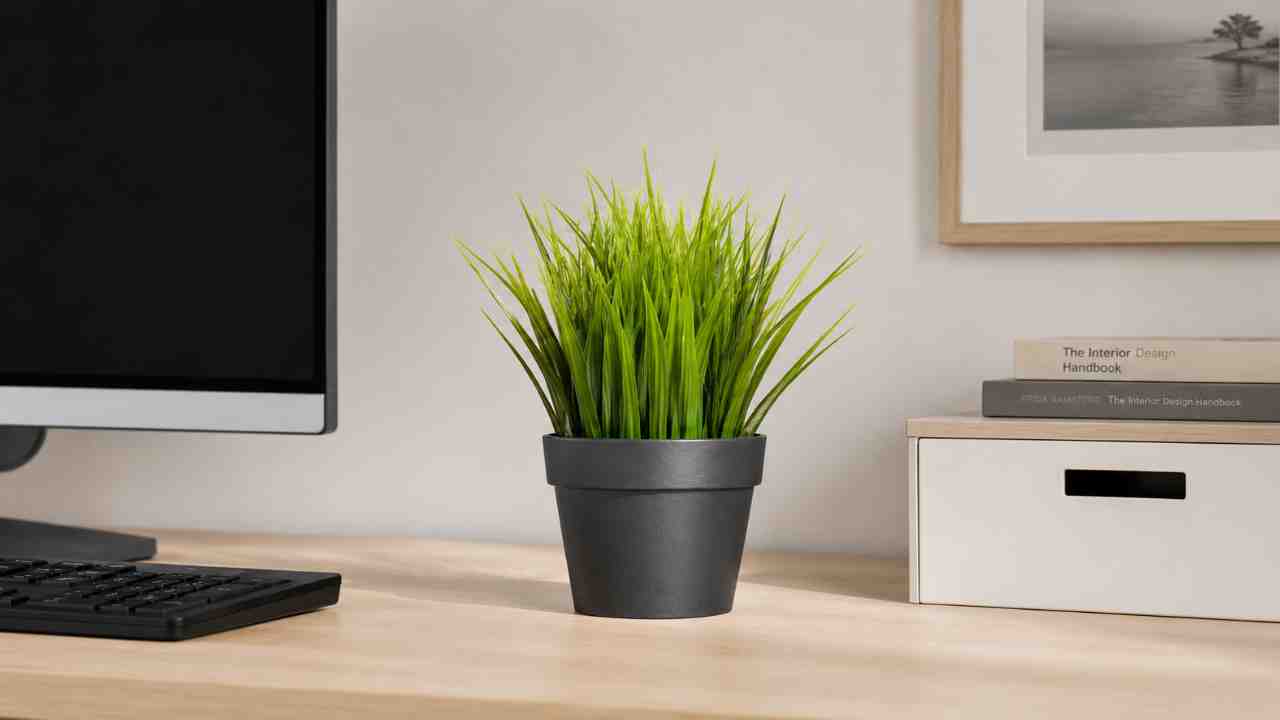
Why Fejka From Ikea Became My Favorite Minimalist Home Decor
aydul.com - at first, i was the type of person who loved seeing home decor with green plants, but honestly, i found it hard to consistently take care of real plants. sometimes i forgot to water them, and other times the leaves would wilt because they didn’t get enough sunlight. that’s when i decided to try fejka from ikea, and it honestly surprised me in a good way. for those who don’t know, fejka is an artificial plant collection from ikea designed to look like real plants. the first time i saw it, i immediately liked it because the design looked simple, modern, and perfect for a minimalist home concept. even from a distance, it looks natural and doesn’t feel like a cheap plastic plant. perfect for minimalist homes in my opinion, one of fejka’s biggest advantages is its clean and simple design. i placed one small pot on my work desk and another in the corner of my living room, and the spaces instantly felt more alive. what i really like is how easy fejka is to match with neutral-colored furniture such as white, cream, or minimalist wooden interiors. even though the decoration is simple, it still makes the room feel aesthetic and cozy. if your home has a modern minimalist or scandinavian theme, fejka honestly fits perfectly because it looks simple yet still visually pleasing. no complicated maintenance this is probably the main reason why i ended up loving fejka so much. i no longer have to worry about watering plants every day or stressing about them dying because i forgot to take care of them. i only need to wipe the leaves occasionally to keep them dust-free, and they still look great. for someone like me who is often busy working or away from home, this is the most practical solution to still have green decorations indoors. fejka is also perfect for rooms with limited sunlight. so if you have a darker area in your home but still want it to feel fresh, this artificial plant can be a great option. realistic look without looking cheap honestly, i’m quite picky when it comes to artificial decorations because many of them look too fake. but fejka has detailed leaves and color tones that feel more realistic compared to similar products i’ve seen before. the pot and overall plant shape also look modern, so it doesn’t make the room decoration feel tacky. in fact, some guests who visited my house thought it was a real plant until they touched it themselves. for me, that’s definitely a plus point because not all artificial plants can look as natural as fejka. is it worth buying? if you ask me whether fejka is worth it or not, i’d say yes — especially for people who love minimalist decor but don’t want the hassle of taking care of real plants. the price may be slightly higher compared to regular artificial plants, but the quality and design really feel different. the materials look neater, the design feels more aesthetic, and overall it makes the room feel more premium. personally, i feel like fejka is not just a decoration piece, but also something that improves the mood at home and creates a more relaxing atmosphere. sometimes, a small touch of greenery can really make a home feel warmer and more comfortable. who is fejka suitable for? based on my experience, fejka is perfect for: students living in dorms or apartments busy people who don’t have time to care for plants minimalist decor lovers workspaces or aesthetic desk setups cafés or offices with modern interior concepts because of its flexible design, fejka blends easily with different interior styles without making the room feel crowded. after using fejka from ikea, i honestly feel like my home looks more alive without requiring extra effort. for me, this product is the most practical solution to bring a touch of greenery into a minimalist home. besides looking aesthetic, fejka is also easy to maintain, durable, and easy to combine with various modern furniture styles. if you’re looking for a simple decoration that can instantly make your room look more beautiful, i personally think fejka is definitely worth trying.
My Personal Experience Reducing Wasteful Spending Through Monthly Shopping
aydul.com - hi minimalist friends, payday is definitely one of the most exciting moments for workers hehe, and usually during the beginning of the month i go shopping with my wife and child. on this occasion, i want to share my experience and what i learned from various sources about how monthly shopping can help make household expenses more efficient. here are some tips for those of you who want your salary expenses to be more organized. create a checklist for your daily necessities shopping: this helps make your monthly shopping more organized and focused. choose affordable stores with lots of discounts: usually places like supermarkets or wholesale stores offer better prices for daily needs. shop once a month or every two weeks: in my opinion, shopping monthly or every two weeks can reduce transportation costs and help keep your spending more stable. track your expenses after shopping: this helps you understand where your money goes. there’s also an interesting article about this called kakeibo benefits that i personally experienced after consistently applying the habit of monthly shopping, i became better at managing household needs in a calmer and more organized way. not only did it help reduce unnecessary expenses, but it also made daily activities feel more practical. i rarely panic because household supplies suddenly run out, and my finances feel more stable every month. expenses become more controlled saves transportation costs more time efficient reduces impulsive shopping household needs become more organized easier to manage monthly budgets less tempted by small promotions household supplies stay safer and more prepared helps build a more disciplined lifestyle shopping feels calmer and more planned after trying to apply the habit of monthly shopping, i feel that my expenses have become more organized and i am no longer as wasteful as before. at first, it did take time to get used to making shopping lists and recording expenses, but over time this habit became very helpful. i became more aware of how i use money and less likely to buy things that i do not really need. from this simple experience, i learned that living frugally does not mean being stingy, but rather learning how to manage finances wisely and with better direction every month. thank you for reading this article, i hope it can be useful for you.
Zanshin: The Martial Arts Philosophy Of Staying Alert Yet Relaxed
aydul.com - yay, this is the final part of the e-book i’ve created. in this section, i want to discuss a japanese philosophy that i believe is very important for everyone. the core idea of this philosophy is to always stay alert and remain relaxed. let’s get to know this philosophy called zanshin. this concept is closely related to martial arts. zanshin describes a mental state in which a person is fully aware of their opponent while remaining calm, focused, and relaxed. a simple example would be: “a martial arts teacher demonstrating techniques to a student.” what we can observe is that the teacher stays alert and relaxed while performing the movements. zanshin is no longer just a martial arts principle over time, the philosophy of zanshin has come to be understood not only as a martial arts principle. it has developed into a way of life that teaches people to remain aware, focused, calm, and present in every daily action. i learned about this philosophy from youtube arata academy english. it explains that every human being has a life purpose, but often people focus only on the end result. this actually goes against the essence of zanshin itself. zanshin emphasizes focusing more on the process rather than the result, while still staying relaxed. sometimes when we focus too much on the outcome, our mind becomes filled with worry and stress, eventually leading to burnout. this is where zanshin can help you. the relationship between zanshin and minimalism zanshin and minimalism are closely connected because both teach awareness in how we live our lives. in zanshin, a person is trained to stay focused, calm, and aware of what they are doing without losing control of their mind. meanwhile, minimalism helps people reduce things that are not truly important so life becomes lighter and less distracted. when someone starts living more minimally, their mind becomes calmer, making it easier to apply zanshin in daily life. on the other hand, when someone develops zanshin-like awareness, they become better at recognizing what truly matters and what only clutters the mind and drains energy. both train self-awareness help the mind stay calm and focused reduce excessive distractions encourage a simpler lifestyle help us enjoy the process of life protect mental energy from exhaustion help life feel more directed and meaningful think of zanshin as the motivation behind ikigai image by aydul.com ikigai itself means a life purpose. by the way, if you want to learn more about ikigai, you can check the internal link in this post before continuing. when we have a life goal but lack motivation, we tend to stop halfway and end up wasting our efforts. that’s why when we have a life purpose, we should prioritize the process more than the outcome. even if progress is slow, as long as it is done consistently, the goal will eventually be achieved more effectively. so, this philosophy is actually interconnected. benefits of practicing zanshin philosophy applying zanshin in daily life helps a person live more consciously, calmly, and with direction. it teaches us to stay focused on what we are doing without losing inner peace, so the mind is not easily overwhelmed by anxiety or pressure. by practicing full awareness, a person can better enjoy the process, maintain emotional stability, and avoid burnout when facing challenges in life. benefits of practicing zanshin: improves focus and concentration creates a calmer and more relaxed mind reduces stress and overthinking helps enjoy the process of life keeps emotions more stable reduces distractions in daily activities makes life feel more structured and meaningful trains self-awareness in every action helps maintain consistency toward life goals this philosophy is truly beneficial, isn’t it? as the writer, i’ve also started applying it myself. for example, in writing this article, i focus more on the process rather than the result. even though i spend time thinking of ideas, watching references, and carefully writing this article, my goal is for it to be understood and enjoyed by readers. if i focus only on the outcome, i tend to feel anxious. zanshin helps me stay relaxed, calm, and focused. thank you to everyone who has read this until the end. i hope this article is useful for you. next, i will launch an e-book about 10 japanese minimalism philosophies. stay tuned on aydul.com
In Japan, Wasting Things Is Considered Disrespectful To Life - This Is The Philosophy Of Mottainai
aydul.com - have you ever eaten food and not finished it, or bought new clothes even though your wardrobe was already full? sometimes we also think, "why is my money already gone even though it’s not the end of the month yet?" in reality, the problem is not always our income, but our wasteful habits. so on this occasion, i want to share another japanese philosophy that i plan to turn into an e-book. i have studied this philosophy myself, and in my opinion, it is very useful. what is it? it is called the "mottainai philosophy." let’s discuss it briefly and in an easy-to-understand way. what is the mottainai philosophy? the mottainai philosophy comes from japanese culture and means not being wasteful or not wasting something unnecessarily. this concept teaches people to appreciate food, belongings, time, and the resources they have. examples include finishing your meals, using items until they are truly no longer usable, and avoiding wasteful habits in everyday life. by applying mottainai, a person can live more frugally, simply, and with greater gratitude. examples of applying mottainai before and after before applying after applying benefits leaving food unfinished finishing meals completely reducing food waste and appreciating blessings more frequently buying items impulsively buying items only when needed saving money and avoiding clutter at home replacing broken items immediately repairing damaged items items last longer and reduce waste turning on lights during the day turning off unnecessary lights saving electricity bills playing games during free time creating content consistently potential to earn extra income from consistent content the relationship between mottainai and minimalism mottainai and minimalism are closely related because both teach people to live simply and avoid excess in using things. the mottainai philosophy emphasizes not being wasteful and appreciating food, belongings, and time, while minimalism teaches people to own only what they truly need. both philosophies help individuals become more organized, financially mindful, and focused on what truly matters in life. by practicing mottainai and minimalism, life can feel calmer, simpler, and more environmentally friendly. research and thoughts about mottainai according to a japanese writer in the article mottainai: the japanese philosophy of respect for things, the writer truly understood the philosophy of mottainai after living in america and witnessing a highly consumptive lifestyle. the writer remembered their grandmother often saying mottainai whenever food was wasted or usable items were thrown away. after applying this philosophy, the writer became more aware of buying only what was necessary and learned to appreciate every object because everything has value and requires effort and resources to be made. in the end, mottainai reminds us that everything has value. the food we eat comes from the hard work of many people. the items we use are created using labor and natural resources. even the time we have is precious. therefore, we should not let these things go to waste because of careless habits. that’s all for this article. if you would like to read more about other japanese philosophies, feel free to check the articles below this post. thank you for reading until the end. sources for this article: chiba, hitoshi (november 2002). "restyling japan: revival of the "mottainai" spirit" article : japaneseexcellence.org | mottainai: the japanese philosophy of respect for things youtube : wogomu | lifestyle habits that make people poor in japan | mottainai youtube : apkcreative indonesia | life concept : mottainai
Modern Life Feels Too Full — This Japanese Philosophy Taught Me To Slow Down "ma Philosophy"
aydul.com - in today’s fast-moving modern era, everything feels incredibly easy to access. if we want information, we just open the internet. if we want entertainment, we simply scroll through social media. even buying things now only takes a few clicks. everything feels practical and instant. but without realizing it, that convenience often makes life feel overly full. sometimes we buy things only because we are temporarily interested in them, and in the end, they pile up in our rooms unused. not to mention our minds being filled every day with endless news, videos, notifications, and information coming nonstop through digital distractions. it feels like there’s no empty space left just to breathe and feel calm. personally, i think modern progress brings many benefits, but anything excessive is usually not good either. too many belongings make a room feel crowded too much information makes the mind feel exhausted and too much busyness sometimes makes us forget how to enjoy life. that’s why i became interested in one japanese philosophy that feels simple yet deeply meaningful to me, the philosophy of “ma.” this philosophy teaches about empty space, pauses, and balance in life. it may sound strange because we usually think empty space is something that should always be filled. but in japanese culture, empty space is considered important. they believe not everything has to be full. sometimes, it is precisely from emptiness that we can find peace. what is the philosophy of ma? in japanese, “ma” is written with the kanji 間, which means space, pause, or interval. but its meaning goes beyond physical emptiness. the philosophy of ma is about creating space between things in life. japanese people believe silence, pauses, and emptiness have their own value. for example, in conversations, not every moment needs to be filled with endless talking. sometimes a brief silence actually makes the atmosphere feel more comfortable. the same applies to daily life. not every moment has to be packed with activities. not every corner of the house has to be filled with objects, and not every thought has to constantly keep working. the philosophy of ma teaches that empty space does not mean emptiness in a negative sense, but rather a place to breathe. why is this philosophy so relevant today? when you think about it, modern life rarely gives us time to pause. from the moment we wake up, we immediately check our phones, work while opening social media, and even at night we still think about work or responsibilities. even during rest, our minds still feel tired, right? nowadays, many people feel like they always have to stay productive. if they relax for a moment, guilt starts to appear. but humans are not machines. in my opinion, the philosophy of ma feels incredibly relevant because it reminds us that rest is also important. being silent for a moment does not mean laziness. reducing something does not mean lacking. sometimes we become so busy chasing many things that we forget to enjoy our own lives. ma in japanese life what’s really interesting is that the philosophy of ma is not just theory, but something deeply applied in japanese culture. if we look at traditional japanese homes, the designs are usually simple and not overloaded with furniture or decorations. there is a lot of empty space that makes the atmosphere feel spacious and peaceful. the closest example around us is often hotels. when we first enter a hotel room, what we feel is calmness and openness. japanese people also love using natural lighting and natural elements to make homes feel more comfortable, such as: natural sunlight entering the room a few plants placed inside the room this concept helps people inside feel more relaxed. besides architecture, the philosophy of ma can also be seen in japanese art. in japanese paintings or calligraphy, there are often empty areas intentionally left blank. those spaces are not unfinished parts, but part of the beauty itself. the same thing exists in traditional japanese music. silence between notes is considered important because it gives listeners space to feel emotions. what i learned from ma in japanese culture is that something does not always need to be crowded or full to appear beautiful. sometimes emptiness itself creates beauty and peace. modern life that feels too full compared to life today, it really feels like we live in an overly crowded world. social media constantly makes us feel like we must follow trends. we easily buy things because we are afraid of missing out. sometimes it’s not because we truly need them, but simply because we see other people having them. in the end, our rooms become full of stuff, but our hearts still feel empty. it’s not only about physical things, our minds are often overloaded too. every day there is new information, new news, new drama, and it all continuously enters our heads. without realizing it, we rarely give ourselves time to simply exist. i feel this is one reason why many people today easily become stressed, burned out, and unable to enjoy small moments in life. learning to create space from the philosophy of ma, i learned one important thing: life does not always have to be full. sometimes we need to create space. space to rest. space to stay silent. space to think. space to enjoy life without rushing. a simple example is trying to sit quietly without opening your phone for a while. enjoy the surroundings. listen to the sound of rain, wind, or the quietness of the night. at first, it may feel strange because we are so used to staying busy all the time. but eventually, we begin to realize that peace is actually very important. besides that, we can also start reducing things that are unnecessary. for example, items that only fill the room, relationships that mentally drain us, or the habit of endless scrolling without purpose. by creating space, life starts to feel lighter. the philosophy of ma and minimalism many people connect the philosophy of ma with minimalism, and honestly, i think they are closely related. minimalism does not mean living with as little as possible or being stingy toward yourself. it is more about choosing what truly matters. sometimes we keep too many things that no longer have meaningful value. eventually, the room feels crowded and the mind feels full as well. once we begin removing unnecessary things, the atmosphere suddenly feels more spacious. strangely enough, the heart also feels calmer. the same applies to life. we do not have to follow every trend. we do not always need to stay busy. we also do not need to please everyone. by reducing unimportant things, we create more room for what truly matters. the importance of pauses in life one part of the philosophy of ma that i love the most is the idea of pauses. in today’s world, pauses are often seen as something negative. but actually, pauses are where we can finally breathe. imagine if music had no pauses at all. every note would play continuously without stopping. it would only become noise. the same goes for life. if we keep moving nonstop without resting, eventually we become exhausted ourselves. a pause does not mean stopping forever. sometimes we only need to slow down for a moment so we can feel calm again. the japanese philosophy of ma teaches something simple yet deeply relevant for modern life: not everything needs to be full. in a world that keeps moving quickly, we often forget that humans also need space to breathe. empty space does not mean emptiness, but rather a place where peace can be found. through this philosophy, i learned that life is not about owning as much as possible or doing everything at once. sometimes, by reducing things, we can enjoy life more deeply. starting from reducing unnecessary belongings, reducing distractions, and giving ourselves time to stay silent for a while. because in the end, peace often comes not when life is completely full, but when we have enough space to truly enjoy every moment. so that was the philosophy of ma, something i believe is very important to learn. i hope this article can be useful for you. if you want to learn more about japanese minimalism and philosophy, you can visit aydul.com. there are many articles available there, and i’m also planning to release a japanese minimalist series book in the future. hopefully, it can happen soon. sources for this article: youtube: dan le gris | what is ma (間)? the hidden meaning behind japanese minimalism youtube: azumi uchitani | the beauty of silence: the japanese concept of ma explained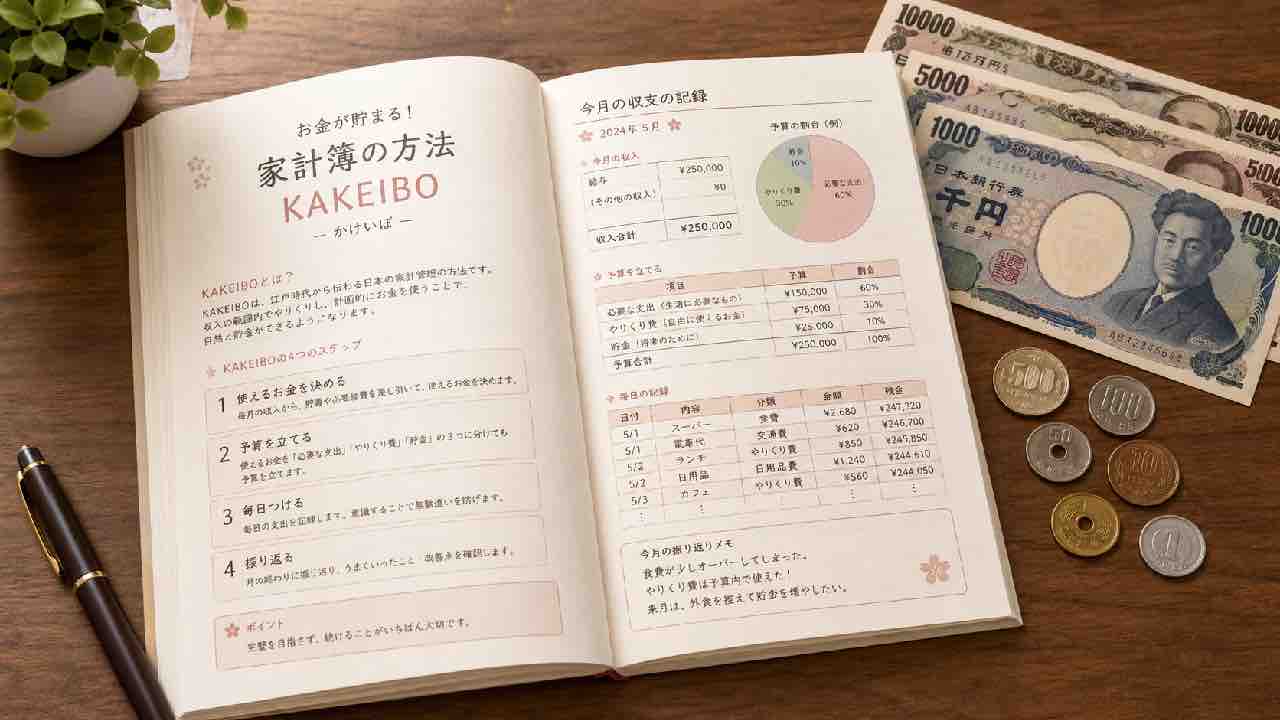
Why Are Japanese People Rarely Wasteful? It Turns Out They Have The Kakeibo Method
aydul.com - hi minimalist friends, in this opportunity i want to share something related to finance. this is not about getting rich from a business, but rather about being wise with the money we already have. here, i will explain a traditional japanese financial management method called kakeibo, which is very interesting and important to discuss. one of the benefits is that your finances every month can become more organized, and you may even save more money consistently. oh yes, this article is 100% my own work and i studied the topic first before writing it. you can check the sources at the very bottom of this article. alright, let’s get straight into discussing kakeibo. about kakeibo kakeibo is a traditional japanese financial management method that was first introduced by a female journalist named hani motoko. the main purpose of this method is to help people save money and build a wiser relationship with the money they own. this method has survived for more than a century and is still maintained today because it is considered effective in helping people become more aware of their financial condition. the basic financial management system in kakeibo in this method, the income we earn is divided into several main categories, starting from income, fixed expenses, savings, and living costs. through this division, we can clearly see where our money goes every month. isn’t kakeibo very important, friends? the expenses themselves are divided into several categories such as: necessary expenses - expenses that are truly essential for daily life, such as food, transportation, electricity bills, or housing costs. wants - expenses that are not urgent, such as buying trendy items or purchasing something simply because we want it. entertainment expenses - costs used for enjoyment and relaxation, such as watching movies, hanging out, or going on vacation. unexpected expenses - sudden expenses that are not planned, such as healthcare costs or vehicle repairs. from here, we can already understand where our money is being spent. now let’s move on to the process of applying kakeibo itself. this method is quite simple to practice, and we will discuss several important points in implementing kakeibo inspired by the youtube channel agusleo halim. important points in applying kakeibo plan how much money you can use. plan how much money you will spend on needs and wants. plan how much money you will allocate for savings. plan what financial improvements you want to make next month. write financial planning manually in addition, the kakeibo method strongly emphasizes the importance of recording finances manually using a notebook. according to several studies, writing by hand can help the brain process information more deeply and wisely compared to typing on digital devices. because of this, directly recording expenses is believed to make someone more aware of their financial habits. reflection on financial spending unlike modern financial methods that only focus on numbers in digital devices, kakeibo actually “forces” its users to reflect on every type of spending. before buying something, you are encouraged to ask yourself questions such as: do i really need this item? can i truly afford it? will this purchase make me happier in the long term? this habit of reflection helps people become more disciplined and less easily tempted by impulsive and unnecessary purchases. why does kakeibo recommend using cash? the kakeibo method also encourages users to use cash when shopping. the reason is simple: when paying with physical money, people tend to feel the spending more compared to using cards or digital wallets. using cash makes the shopping process feel more real, which can help reduce excessive spending habits. honestly, this is quite true because when we use qris, bank transfers, or other digital payment methods, expenses can sometimes become difficult to control. that’s why the kakeibo method may be very useful to apply in everyday life. lastly, a message from me as the writer of this article: the kakeibo method is not just about recording finances, but also about building financial awareness slowly and consistently. by dividing expenses into clear categories, recording them manually, and reflecting on every purchase, this method helps people become wiser in using money. it is no surprise that kakeibo has survived for more than one hundred years and still remains relevant today, especially in the modern era where consumerism is becoming stronger. i hope this article about kakeibo can be useful for all of you. if you want to read more beneficial articles, you can visit my website at aydul.com. lastly, this article is also part of a pocket book or e-book that i plan to sell, related to minimalist education inspired by japanese culture. hopefully i can finish it soon, friends. please pray for me hehe. sources for this article: book: kakeibo by fumiko chiba journalist hani motoko in 1904 youtube: bbc news indonesia youtube: agusleo halim youtube: satu persen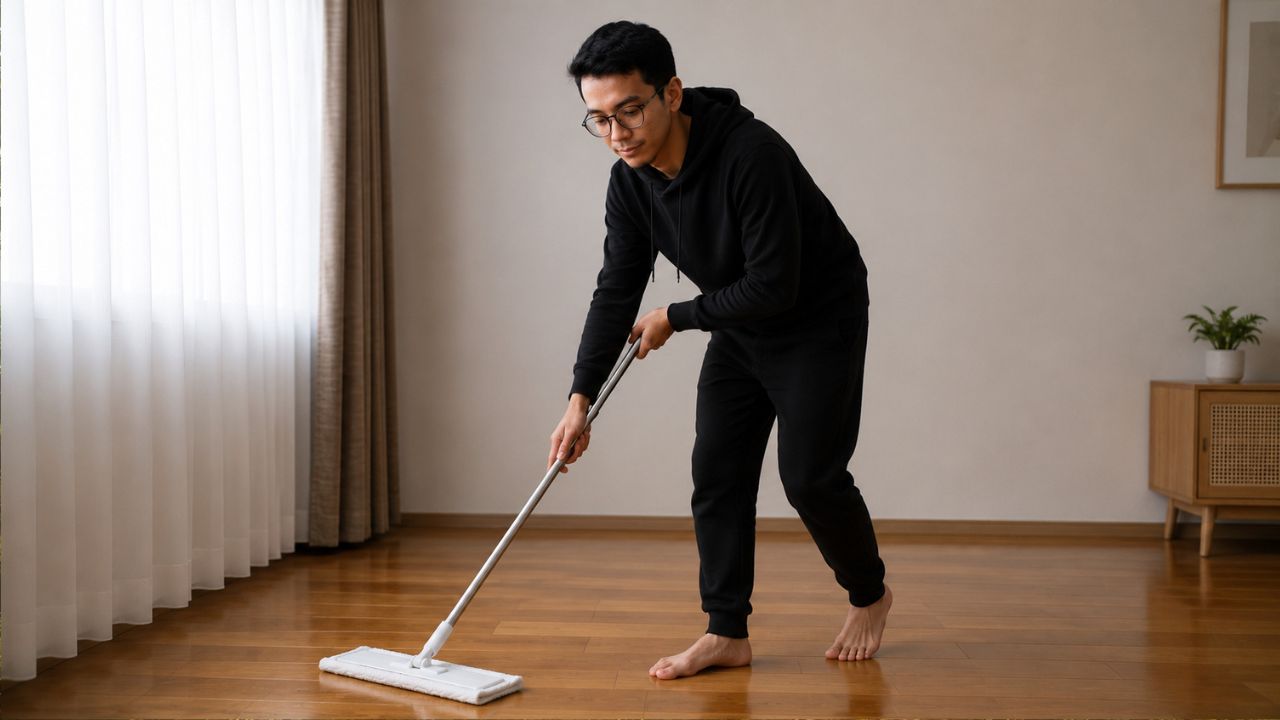
After Learning Osoji, I Finally Understand Why Japanese Homes Feel So Peaceful
aydul.com - hi minimalist friends! i’m still continuing the discussion about the e-book i’m working on, and yes, it’s still all about japanese minimalism! this time, i want to talk about a philosophy related to total cleaning that is often practiced by japanese people, called osoji. alright, let’s jump right into it! what is osoji? after watching and learning about osoji from taigu zen’s youtube channel, i immediately thought, “oh, so this is one of the reasons why japan always looks clean and organized.” osoji itself is a traditional large-scale cleaning activity from japan that is usually done before the end of the year. the word: Ō (大) means big sōji (掃除) means cleaning how osoji is practiced osoji is commonly practiced at homes, schools, offices, places of worship, and many other places. the purpose is to cleanse ourselves from negative things and welcome the new year with a fresher, more comfortable, and more positive atmosphere. interestingly, osoji can also be connected to 3 principles from the japanese 5s philosophy. seiri (sort) - the activity of sorting items and separating things that are still needed from things that are no longer used. the main purpose of seiri is to reduce clutter so the environment feels more spacious, neat, and comfortable. by applying seiri, people can work more efficiently because they are not distracted by unnecessary items. example: organizing stationery based on type and labeling each storage drawer. seiton (set in order) - the activity of arranging items neatly and systematically so they are easy to find when needed. in this concept, every item should have a clear storage place. seiton helps save time, increase productivity, and create a more comfortable environment. example: arranging stationery based on type and labeling each drawer. seiso (shine or cleanliness) - the activity of routinely cleaning the workplace or living space to keep it clean and healthy. this concept emphasizes the importance of cleanliness in creating a comfortable atmosphere and improving motivation. seiso also helps prevent equipment damage and maintain a healthy environment. example: cleaning the work desk and sweeping the room after use. i got these 3s explanations from taigu zen’s youtube channel, and honestly, these three principles really do play a huge role in osoji. if you want to know more about the 5s philosophy, you can also check out my article: how the japanese use 5s to live a more peaceful daily life. common activities during osoji when doing osoji, japanese people usually clean the house thoroughly from top to bottom. here are some common activities usually done during osoji at home: cleaning the entire house every corner of the house is cleaned in detail, from floors, walls, ceilings, to areas that are rarely reached. washing windows and curtains windows, glass, and curtains are cleaned to make the house feel brighter and fresher. decluttering or throwing away unused items old items that are damaged or no longer used are usually thrown away or donated. cleaning the kitchen and bathroom the kitchen and bathroom become the main focus because they are used every day. reorganizing the rooms after everything is clean, the rooms are rearranged to look neater and feel more comfortable. osoji activities are usually done together with family members, creating togetherness and good teamwork. no wonder japan always looks organized and clean; you can really see how the people help and support each other. benefits we can learn from osoji lastly, osoji has many benefits in everyday life, both for environmental cleanliness and mental health. by doing osoji, homes or workplaces become cleaner, tidier, and more comfortable, allowing activities to be done with better focus and productivity. in addition, osoji can also reduce stress because an organized atmosphere helps the mind feel calmer and more relaxed. this habit also trains discipline, responsibility, and the ability to sort items that are still useful from those that are no longer needed. in japanese culture, osoji is believed to bring positive energy and become a way to start something new with a fresher and more enjoyable atmosphere. alright, that’s all for this discussion about osoji! if you found this article helpful, feel free to share it on your social media so more people can benefit from it too. you can also read other articles on aydul.com, where you’ll definitely find many more useful articles. that’s all from me, and for the references used in this article, you can check the links and book below. book: the 5s’s: five keys to a total quality environment - takashi osada source: https://youtu.be/qwxfl75kiy0?si=a3kpd-qdrwlt1e9y source: https://youtu.be/uz8edbfhpba?si=1v9chw3cnvc7pjq4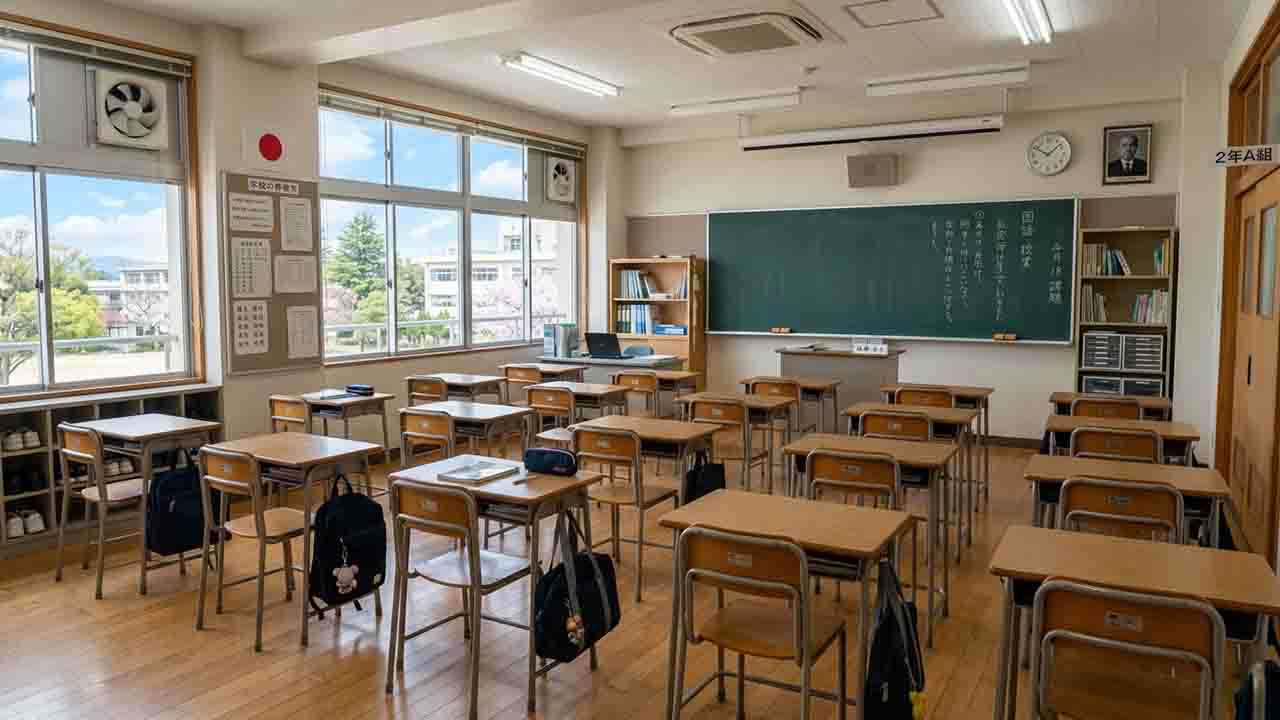
This Japanese Habit Can Make Life Feel More Peaceful: The Philosophy Of Danshari
aydul.com - these days, many people feel like their lives are too full. not just full of activities, but also full of stuff, thoughts, and distractions. homes feel crowded, work desks are messy, notifications never stop, and the mind rarely feels truly calm. sometimes we buy more things hoping they will make us happier. but the more we own, the more we have to think about and take care of. without realizing it, life starts to feel exhausting. that is why the idea of minimalist living has become more popular in recent years. one well-known minimalist concept from japan is called danshari. danshari is not only about throwing things away or making your home look aesthetic. it is about learning to let go of unnecessary things so life can feel lighter and more peaceful. what is danshari? danshari is a japanese lifestyle concept that teaches people to reduce things they do not truly need. the word danshari is made up of three parts: dan means refusing unnecessary things sha means throwing away things that are no longer used ri means letting go of attachment to possessions together, danshari means learning to choose what truly matters in life and reducing the rest. this concept became popular through hideko yamashita, a japanese author who talks about the relationship between people and the things they own. image by aydul.com according to danshari, having too many things can make the mind feel heavy. a crowded home often makes people feel more stressed, less focused, and mentally tired. that is why danshari teaches that simple living does not mean living with less happiness. instead, it creates more space for a calmer and more peaceful life. why are more people interested in danshari? today, many people buy things not because they truly need them, but because of social media, discounts, or trends. sometimes we buy new clothes even though the closet is already full. we buy more decorations even though the house already feels crowded. or we buy something just because it is viral online. as a result, homes become filled with items that are rarely used. the more things we own, the more energy we need to manage them. cleaning takes longer, finding things becomes harder, and the mind feels more crowded. many people eventually realize that they do not need more stuff. what they actually need is a simpler life. this is where danshari becomes relevant. danshari is more than just throwing things away. many people think minimalism is simply about getting rid of as many things as possible. but danshari goes deeper than that. the main goal is not to create an empty house, but to create a lighter life. in this concept, we learn to understand our relationship with the things we own. for example, some people keep old clothes for years even though they never wear them anymore. others buy many things just to feel better for a short time. but the happiness from buying something usually does not last very long. danshari teaches us to ask: is this item truly useful? do i still need it? does this item add value to my life or only fill space? simple questions like these help us become more aware before keeping or buying something. benefits of practicing danshari 1. a calmer mind a messy environment can quietly make the brain feel tired. when there are too many things around us, the mind also feels crowded. that is why many people feel more comfortable in a clean and simple space. a home that is not overly full usually feels more peaceful and relaxing. 2. less stress too many possessions can become a source of small daily stress. for example: having trouble finding things feeling lazy to clean the house a work desk feeling too cramped a full closet but still not knowing what to wear small problems like these can slowly become mentally exhausting. by reducing unnecessary items, life starts to feel simpler and lighter. 3. helps you save money danshari also helps people become wiser when buying things. once you start practicing this concept, you naturally think more carefully before making purchases. it does not mean you can never shop again, but you begin learning to buy based on needs instead of temporary. this habit can reduce impulsive spending that often wastes money. 4. a cleaner and more organized home the fewer things you own, the easier it is to keep your home tidy. cleaning the room takes less time. a work desk feels more comfortable to use. closets become easier to organize. a tidy home often improves your mood as well. 5. more focus on important things too many distractions often make it hard to focus. danshari helps reduce unnecessary things so your energy can be used for what truly matters, such as: health family work learning rest life feels more organized and less exhausting. 6. how to start practicing danshari many people are interested in minimalism but do not know where to start. actually, danshari does not need to be extreme. you do not have to throw away half the items in your house immediately. start slowly and begin with a small area try starting with one simple area such as: your work desk a drawer a bookshelf your wardrobe cleaning a small area feels much easier than organizing the entire house at once. separate things you no longer use look at the things in your home and ask yourself: do i still use this? when was the last time i used it? is this item truly important? if the answer is unclear, maybe the item is no longer necessary. reduce impulsive shopping habits image by aydul.com before buying something, try waiting a few days first. sometimes after waiting, we realize we do not actually need the item. this simple habit helps us become more mindful when shopping. organize your digital space danshari is not only about physical items. phones and social media can also make the mind feel crowded. try to: delete unnecessary files reduce notifications unfollow stressful accounts organize photos and apps small actions like these can make your mind feel lighter. danshari and mental health many people do not realize that the condition of a home can affect mental health. spaces that feel too crowded often make people more stressed and restless. on the other hand, simple spaces usually feel calmer and more comfortable. that is why many people feel mentally relieved after organizing their homes and reducing unnecessary items. danshari helps create a peaceful environment where both the body and mind can rest better. danshari does not have to be perfect one of the biggest mistakes people make when trying minimalism is wanting instant perfection. some people force themselves to throw away too many things and later regret it. but danshari is not a competition about who owns the fewest items. this concept is more about understanding what truly matters in your life. if you still have favorite items or certain collections, that is completely fine. what matters is whether those things bring value or happiness instead of simply taking up space without purpose. simple living can bring more happiness many people think happiness comes from owning more things. but in reality, having too much often makes life feel heavier. too many possessions make the home feel crowded. too many distractions make the mind tired. too many desires make it difficult to feel satisfied. danshari teaches that simple living does not mean an empty life. in fact, by reducing unnecessary things, we can focus more on what truly matters. the home feels more comfortable, the mind becomes calmer, and daily life feels lighter and easier to enjoy.
Shinrin-yoku: Simplifying Life Through The Calm Of The Forest
aydul.com - have you ever felt mentally exhausted even when you did not do anything physically difficult? not the kind of tiredness that comes from hard work, but the kind that quietly builds inside your mind. endless notifications, too much screen time, constant pressure, and thoughts that never seem to stop. even during rest, your brain still feels busy. this has become normal in modern life. people wake up and immediately check their phones. they spend hours staring at screens, scrolling through social media, responding to messages, and thinking about work almost all day long. over time, the mind becomes overwhelmed without us even realizing it. japan, a country known for its fast-paced lifestyle and work culture, has a surprisingly simple philosophy for dealing with this problem. it is called shinrin-yoku, or “forest bathing.” despite the name, shinrin-yoku is not about swimming or hiking deep into the wilderness. it is the practice of slowing down and reconnecting with nature through your senses. walking quietly among trees, listening to the wind, feeling sunlight on your skin, and allowing your mind to breathe again. simple as it sounds, this japanese philosophy has become popular around the world because of its calming effect on mental health and overall well-being. and in today’s noisy and stressful world, that idea feels more important than ever. what is shinrin-yoku? shinrin-yoku literally means “forest bathing” in japanese. the concept was introduced in japan during the 1980s as a response to rising stress levels caused by modern urban life. instead of treating nature as just scenery, shinrin-yoku encourages people to fully experience it. the goal is not exercise or productivity. the goal is presence. during shinrin-yoku, people usually: walk slowly through nature, listen to natural sounds, breathe deeply, observe trees and sunlight, and spend time away from digital distractions. it is less about “doing” and more about “feeling.” you do not need to climb mountains or travel to remote forests to practice it. even a quiet park, a garden, or a tree-lined street can help create the same calming experience. why nature helps the human mind modern humans spend most of their lives indoors. we move between bedrooms, offices, cars, cafes, and screens. at the same time, our brains constantly process notifications, news, advertisements, and social media content. the mind rarely gets true silence. nature creates the opposite environment. image by aydul.com instead of noise and pressure, there are softer sounds, slower movement, fresh air, and natural light. this helps the nervous system relax and allows the brain to recover from overstimulation. studies have shown that spending time in nature may help lower stress hormones, reduce anxiety, and improve mood. that is why many people feel calmer after sitting near trees, walking in a park, or simply watching the rain. nature acts like a reset button for the mind. shinrin-yoku and minimalist living many japanese philosophies share the same core idea: simplicity if: ikigai teaches people to find purpose, kaizen focuses on continuous improvement, and wabi-sabi embraces imperfection, then shinrin-yoku reminds people to reconnect with nature and slow down. modern culture often makes people feel guilty for resting. there is pressure to always stay productive, busy, and connected. shinrin-yoku offers a completely different perspective. not every moment needs to be optimized. not every second must be filled with activity. and peace does not have to be expensive. sometimes calmness comes from something as simple as walking under trees without checking your phone. that is why shinrin-yoku fits naturally with a minimalist lifestyle. the mental health benefits of shinrin-yoku 1. reduces stress this is the most well-known benefit of shinrin-yoku. spending time in nature helps slow down the body and mind naturally. breathing becomes calmer, the heart rate slows, and mental tension begins to ease. in today’s world, many people live in a constant state of overstimulation without noticing it. nature gives the brain a break. 2. improves focus and clarity the human brain was not designed to absorb endless information all day long. after too much screen time and multitasking, concentration becomes weaker. spending time in natural environments can help restore mental clarity and improve focus. this is one reason why some people enjoy walking outdoors before working or studying. 3. supports better sleep natural sunlight and fresh air can help regulate the body’s internal clock. at the same time, a calmer mind makes it easier to relax at night. many people who regularly spend time outdoors notice better sleep quality and less mental restlessness. 4. helps with emotional fatigue mental exhaustion does not always come from hard work. sometimes it comes from too much information, too many expectations, and never having time to mentally pause. shinrin-yoku creates space for stillness. no deadlines. no notifications. no pressure to perform. and that can feel incredibly refreshing. how to practice shinrin-yoku in everyday life one of the best things about shinrin-yoku is that it does not require dramatic lifestyle changes. you can start almost anywhere. walk slowly without a goal take a walk without focusing on speed, calories, or productivity. do not rush. simply notice your surroundings and allow yourself to slow down. use your senses pay attention to: the sound of birds, the movement of the wind, the smell of the air, the warmth of sunlight, and the colors around you. this helps bring your attention back to the present moment. put your phone away a major part of shinrin-yoku is reducing digital distraction. you do not need to turn your phone off completely, but try not to constantly check it while spending time outdoors. image by aydul.com sit quietly sometimes the best thing you can do is absolutely nothing. sitting under a tree or quietly observing nature for a few minutes can be surprisingly calming. why shinrin-yoku matters more today modern life has become louder, faster, and more overwhelming than ever before. people are constantly connected, constantly comparing themselves to others, and constantly consuming information. as a result, many feel mentally drained even when life appears normal on the outside. shinrin-yoku matters because it reminds people that rest is not laziness. humans were not designed to live under nonstop mental pressure. we need silence. we need stillness. we need moments where the mind can slow down. and nature provides that naturally. perhaps that is why this japanese philosophy continues to resonate with people around the world. it does not promise perfection, productivity hacks, or instant success. instead, it offers something much simpler: a chance to breathe again. you do not need to move to the countryside. you do not need expensive wellness retreats. and you do not need to completely escape modern life. sometimes all it takes is a quiet walk, fresh air, and a few moments away from the noise. because in the end, peace is often found in the simplest things we usually overlook. source : https://m.youtube.com/watch?v=54ik7i15uhk&pp=ygumc2hpbnjpbib5b2t1Subscribe Me
Get notified when new articles are published

Top Article
1
You May Like
1