Why Are Japanese People Rarely Wasteful? It Turns Out They Have the Kakeibo Method
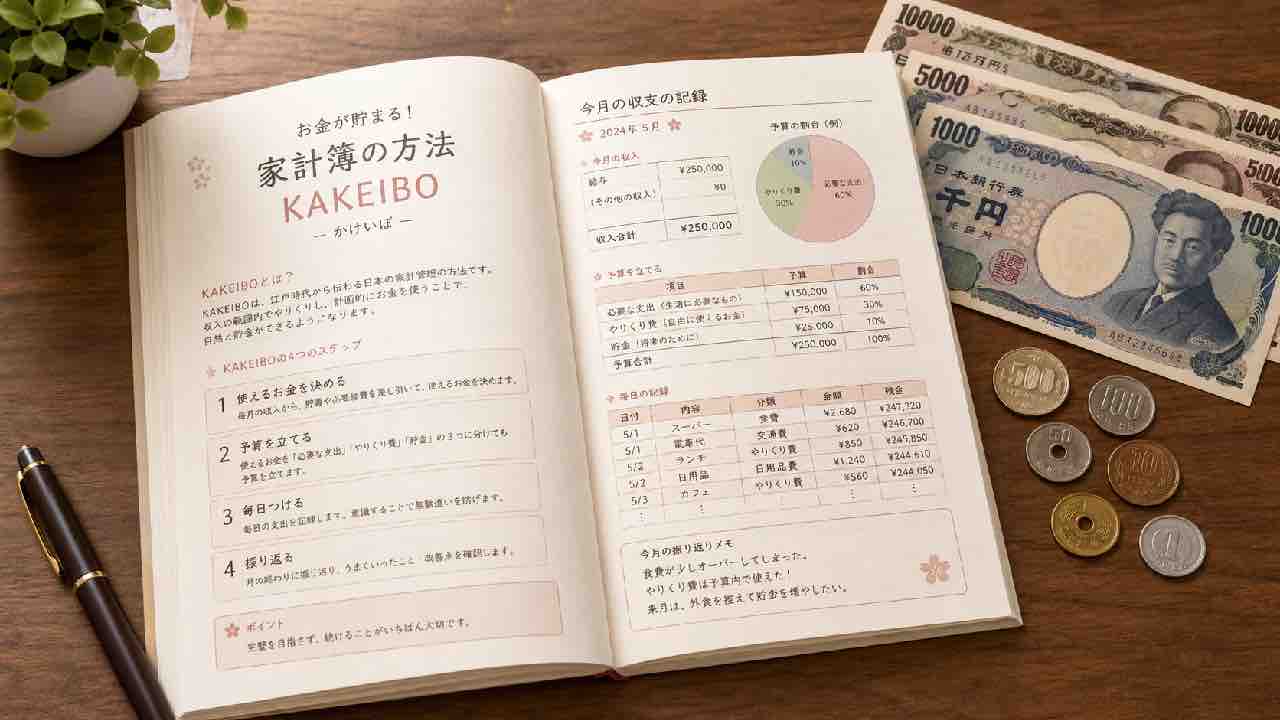
Aydul.com - Hi minimalist friends, in this opportunity I want to share something related to finance. This is not about getting rich from a business, but rather about being wise with the money we already have. Here, I will explain a traditional Japanese financial management method called KAKEIBO, which is very interesting and important to discuss.
One of the benefits is that your finances every month can become more organized, and you may even save more money consistently. Oh yes, this article is 100% my own work and I studied the topic first before writing it. You can check the sources at the very bottom of this article. Alright, let’s get straight into discussing KAKEIBO.
About KAKEIBO
Kakeibo is a traditional Japanese financial management method that was first introduced by a female journalist named Hani Motoko. The main purpose of this method is to help people save money and build a wiser relationship with the money they own. This method has survived for more than a century and is still maintained today because it is considered effective in helping people become more aware of their financial condition.
The Basic Financial Management System in KAKEIBO
In this method, the income we earn is divided into several main categories, starting from income, fixed expenses, savings, and living costs. Through this division, we can clearly see where our money goes every month. Isn’t KAKEIBO very important, friends? The expenses themselves are divided into several categories such as:
- Necessary Expenses - Expenses that are truly essential for daily life, such as food, transportation, electricity bills, or housing costs.
- Wants - Expenses that are not urgent, such as buying trendy items or purchasing something simply because we want it.
- Entertainment Expenses - Costs used for enjoyment and relaxation, such as watching movies, hanging out, or going on vacation.
- Unexpected Expenses - Sudden expenses that are not planned, such as healthcare costs or vehicle repairs.
From here, we can already understand where our money is being spent. Now let’s move on to the process of applying KAKEIBO itself. This method is quite simple to practice, and we will discuss several important points in implementing Kakeibo inspired by the YouTube channel Agusleo Halim.
Important Points in Applying KAKEIBO
- Plan how much money you can use.
- Plan how much money you will spend on needs and wants.
- Plan how much money you will allocate for savings.
- Plan what financial improvements you want to make next month.
Write Financial Planning Manually
In addition, the KAKEIBO method strongly emphasizes the importance of recording finances manually using a notebook. According to several studies, writing by hand can help the brain process information more deeply and wisely compared to typing on digital devices. Because of this, directly recording expenses is believed to make someone more aware of their financial habits.
Reflection on Financial Spending
Unlike modern financial methods that only focus on numbers in digital devices, KAKEIBO actually “forces” its users to reflect on every type of spending. Before buying something, you are encouraged to ask yourself questions such as:
- Do I really need this item?
- Can I truly afford it?
- Will this purchase make me happier in the long term?
This habit of reflection helps people become more disciplined and less easily tempted by impulsive and unnecessary purchases.
Why Does Kakeibo Recommend Using Cash?
The Kakeibo method also encourages users to use cash when shopping. The reason is simple: when paying with physical money, people tend to feel the spending more compared to using cards or digital wallets. Using cash makes the shopping process feel more real, which can help reduce excessive spending habits. Honestly, this is quite true because when we use QRIS, bank transfers, or other digital payment methods, expenses can sometimes become difficult to control. That’s why the KAKEIBO method may be very useful to apply in everyday life.
Lastly, a message from me as the writer of this article: the KAKEIBO method is not just about recording finances, but also about building financial awareness slowly and consistently. By dividing expenses into clear categories, recording them manually, and reflecting on every purchase, this method helps people become wiser in using money. It is no surprise that Kakeibo has survived for more than one hundred years and still remains relevant today, especially in the modern era where consumerism is becoming stronger.
I hope this article about KAKEIBO can be useful for all of you. If you want to read more beneficial articles, you can visit my website at Aydul.com. Lastly, this article is also part of a pocket book or e-book that I plan to sell, related to minimalist education inspired by Japanese culture. Hopefully I can finish it soon, friends. Please pray for me hehe.
Sources for this article:
- Book: Kakeibo by Fumiko Chiba
- Journalist Hani Motoko in 1904
- YouTube: BBC News Indonesia
- YouTube: Agusleo Halim
- YouTube: Satu Persen
COMMENT

RELATED POST

Shinrin-Yoku: Simplifying Life Through the Calm of the Forest
Modern Life Feels Too Full — This Japanese Philosophy Taught Me to Slow Down "Ma Philosophy"
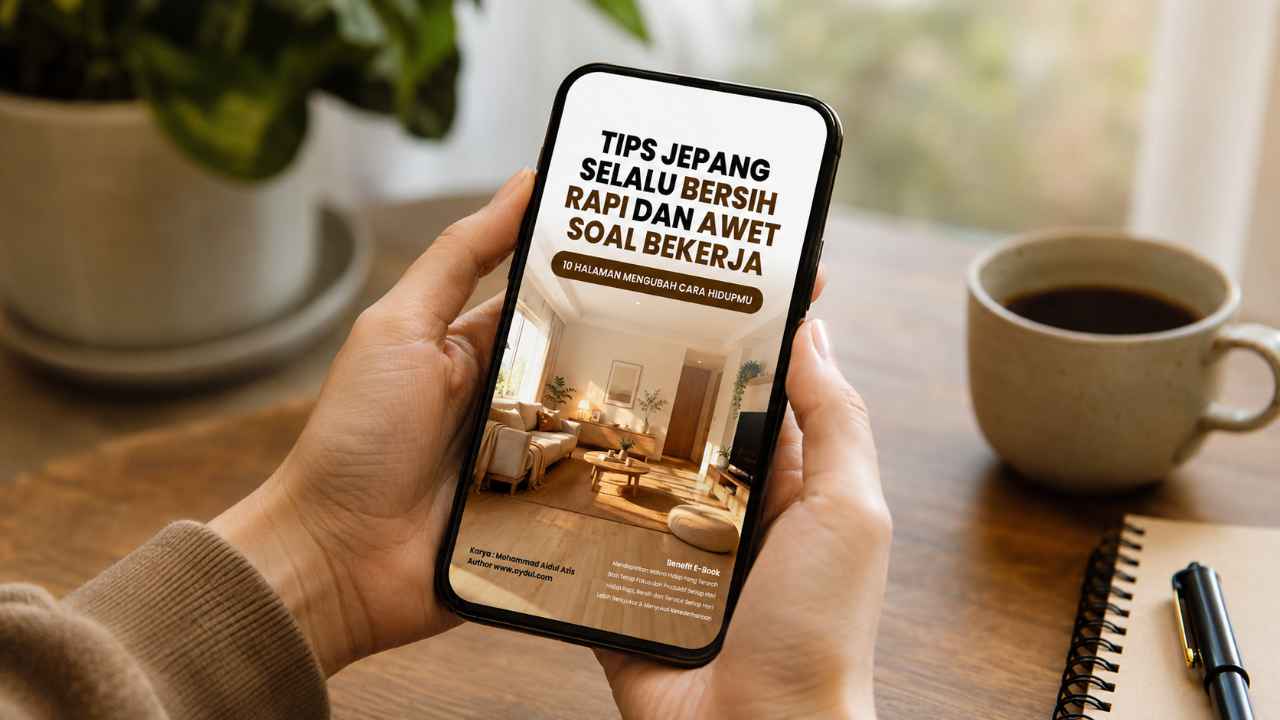
My First E-Book Is Finally Here! Inspired by My Real Experience Working with Japanese Professionals

Tired of Chasing Perfection? Wabi-Sabi Might Change the Way You Live
Subscribe Me
Get notified when new articles are published