
The Simple Secret To Saving More Money: How Minimalism Can Transform Your Finances Faster Than You Think
in a world where spending has become second nature, saving money often feels like a constant struggle. everywhere you look, there’s something new to buy, upgrade, or try. the pressure to keep up, whether with trends, technology, or lifestyle—can quietly drain your finances without you even realizing it. but what if saving money didn’t require strict budgeting, complicated strategies, or sacrificing your happiness? minimalism offers a quieter, more sustainable approach. instead of forcing yourself to save, it changes the way you think about money altogether. and once that shift happens, saving becomes a natural result, not a daily battle. minimalism is not about living with nothing. it’s about living with intention. why saving money feels so hard today most people don’t struggle to save because they lack discipline. the real issue is the environment they live in. modern life is designed to encourage spending. online stores are open 24/7. social media constantly showcases what others have. discounts and flash sales create urgency. even boredom can lead to unnecessary purchases. over time, these small, frequent expenses add up. a coffee here, a quick online purchase there, it doesn’t feel like much in the moment. but at the end of the month, the total tells a different story. minimalism interrupts this cycle. it helps you step back and see your habits clearly. the mindset shift that changes everything at its core, minimalism is a shift in perspective. instead of asking whether you can afford something, you begin to ask whether it truly deserves a place in your life. that question is powerful. because once you start thinking this way, your behavior changes automatically. you become more selective. you pause before buying. you stop chasing things that don’t actually improve your life. and without forcing yourself to “save,” you begin to spend less. spending less without feeling like you’re missing out one of the biggest misconceptions about saving money is that it requires sacrifice. people imagine cutting out everything they enjoy and living in constant restriction. minimalism proves the opposite. when you remove the unnecessary, what remains becomes more meaningful. instead of buying many things that don’t matter, you focus on a few that truly do. you might still spend money, but now it’s intentional. you choose quality over quantity. you choose usefulness over impulse. you choose long-term satisfaction over short-term excitement. and surprisingly, this often feels better, not worse. where your money is actually going if you take a closer look at your spending, you’ll likely notice a pattern. most money isn’t spent on big, life-changing purchases. it’s spent on small things that barely make a lasting impact. unused subscriptions, impulsive online shopping, trendy items that lose appeal quickly, these are the silent leaks in your finances. minimalism helps you notice them. once you become aware of where your money is going, you naturally start to question it. and when you question it, you gain control over it. that’s when saving begins to accelerate. the power of slowing down decisions one of the simplest ways minimalism helps you save money is by slowing you down. instead of buying instantly, you give yourself time. you step away, think, and come back later. often, the urge to buy disappears completely. a simple habit you can try: wait at least 24 hours before buying non-essential items ask yourself if you would still want it next week check if you already own something similar this small pause creates a big difference. many purchases lose their appeal when you stop reacting instantly. a lifestyle that naturally costs less minimalism doesn’t just change how you think, it changes how you live. a simpler lifestyle tends to require fewer expenses. you become comfortable with less, which means you don’t feel the need to constantly upgrade or add more. your wardrobe becomes more practical and versatile. your home becomes easier to manage. your daily habits become more focused and less wasteful. here are a few simple ways minimalism reduces expenses: fewer clothes purchases because you wear what you already have lower subscription costs by cutting unused services reduced impulse spending from online browsing as a result, your monthly expenses decrease—not because you forced them to, but because your lifestyle no longer demands as much. saving becomes automatic this is where minimalism truly stands out. most financial advice focuses on controlling spending through discipline. minimalism, on the other hand, reduces the desire to spend in the first place. when you want less, you buy less. when you buy less, you save more. instead of fighting your habits every day, your habits begin to support your goals. saving money stops feeling like effort and starts feeling like a natural outcome of how you live. less clutter, less stress, better decisions there’s also a mental benefit that often goes unnoticed. when your environment is cluttered, your mind tends to feel the same way. too many choices, too many distractions—it becomes harder to think clearly. minimalism creates space, both physically and mentally. with fewer distractions, you become more focused. with more clarity, you make better decisions—not just about money, but about everything. and better decisions lead to better financial outcomes. a simple way to start without overcomplicating it you don’t need to change your entire life overnight to experience the benefits of minimalism. start small. pay attention to your next purchase. before buying, pause for a moment and ask yourself if it truly adds value. not just today, but in the long run. you can also begin with a short reset: review your last 10 purchases identify which ones you didn’t really need avoid repeating the same type of purchase this month this simple exercise builds awareness, which is the foundation of minimalism. using the right tool to stay aware while minimalism is mostly about mindset, having a simple tool can help you stay consistent. a great option is money manager expense & budget. it’s designed with simplicity in mind, making it perfect for a minimalist lifestyle. you can easily track your spending, understand patterns, and stay aware without feeling overwhelmed. the goal isn’t to control every detail, but to stay conscious of your financial habits. the real reward of minimalism at first, you’ll notice the financial benefits. you’ll save more, spend less, and feel more in control. but over time, something deeper happens. you stop chasing things that don’t matter. you become more satisfied with what you already have. you focus more on experiences, relationships, and personal growth. and in that space, saving money becomes effortless. final thoughts saving money doesn’t have to be stressful or restrictive. sometimes, the simplest approach is the most effective. minimalism helps you reduce unnecessary spending, build better habits, and align your life with what truly matters. you don’t need to force yourself to save. you just need to change how you live. and once you do, saving money won’t feel like something you have to do, it will feel like something that naturally happens.
Feeling Busy But Not Productive? Here’s Why Time Management Matters
aydul.com - have you ever felt like a whole day goes by so fast, but at the end of it you think, “what did i actually do?” i used to feel that way a lot. i felt busy, but not really productive. that’s when i realized, maybe the problem wasn’t the lack of time, but how i managed it. talking about time management, it’s basically the ability to decide when to do something, how long to spend on it, and how focused we are while doing it. so it’s not just about making a schedule, but also about using time more consciously. benefits of time management when applied properly, time management brings many benefits to daily life: helps tasks get done on time reduces stress caused by deadlines makes life more organized provides better quality free time with good time management, we don’t feel overwhelmed easily. everything feels lighter because it’s already divided into manageable portions. common problems in time management in reality, there are several common issues that often make time management fall apart: procrastinating too often not having clear priorities easily distracted (especially by smartphones) having too many plans but lacking execution i’ve personally been in this situation. i wanted to be productive, but ended up scrolling too much or focusing on things that weren’t really important. in the end, time was wasted without any meaningful results. how to start managing your time to avoid repeating the same cycle, here are some simple steps you can try: start your day with a small plan (a to-do list) do the most important tasks first limit your screen or gadget time set aside specific time for rest it doesn’t have to be perfect right away, the key is consistency. little by little, these habits can shape a more organized lifestyle. from my experience, the biggest change happened when i started getting used to writing daily task lists. even though it’s simple, it really helps remind me what needs to be done. this piece is also purely based on the writer’s own thoughts and experiences, making it truly relatable to everyday life. now, i understand that time management is not about being extremely busy, but about living each day more effectively without feeling rushed. in the end, time is limited. if we don’t manage it well, we’ll be the ones struggling. but if we learn to manage it properly, life feels lighter, more organized, and definitely more productive
Busy All Day But Nothing Done? Time Management Is The Answer
in my opinion, time is not just about the clock constantly ticking, but about how we use it wisely. honestly, time is something that can never be repeated. once it’s gone, it’s gone. this piece is also purely based on the writer’s personal perspective and experience, making it more relatable to everyday life. in general, time management is the ability to organize and use time as effectively as possible. the goal is not to keep ourselves busy all the time, but rather to make life more structured and balanced. with good time management, we can complete tasks efficiently without feeling rushed. why is time management important? there are several reasons why time management plays an important role in daily life: helps set priorities more clearly reduces the habit of procrastination makes activities more organized and efficient provides time for rest and personal life one of the most important aspects of time management is setting priorities. i believe this is crucial, because not everything needs to be done at once. we need to understand what is important, what is urgent, and what can be postponed. this way, we can focus on things that truly matter. in addition, creating a daily plan is very helpful. it doesn’t have to be complicated, simply writing down what needs to be done in a day is enough. this makes our time more structured and prevents it from being wasted. personally, i feel that having even a simple plan helps keep my activities under control. simple ways to manage time here are some simple ways that can be applied: create a daily to-do list reduce distractions from gadgets set specific times for focus and rest practice discipline with your schedule another important thing is minimizing distractions. nowadays, distractions are everywhere, especially from gadgets. sometimes without realizing it, we spend too much time scrolling through things that aren’t really important. by limiting distractions, we can stay more focused and productive. time management also helps us create a balance between work and personal life. in my opinion, this is important to prevent stress and burnout. after all, life is not just about work, but also about enjoying time with ourselves and the people around us. besides that, we need to be disciplined and consistent in following the plans we make. without these, any plan will remain just an idea. starting from small habits can eventually turn into positive routines. from my own experience, i used to be someone who often procrastinated. as a result, tasks piled up and had to be completed all at once. it was quite exhausting and sometimes stressful. however, after i started learning to manage my time, even in simple ways, things gradually became more organized. tasks were completed on time, and i also had time to rest without feeling guilty. so in my view, time management is not just a skill, but a necessity. because when time is managed well, we can go through our days more calmly, productively, and meaningfully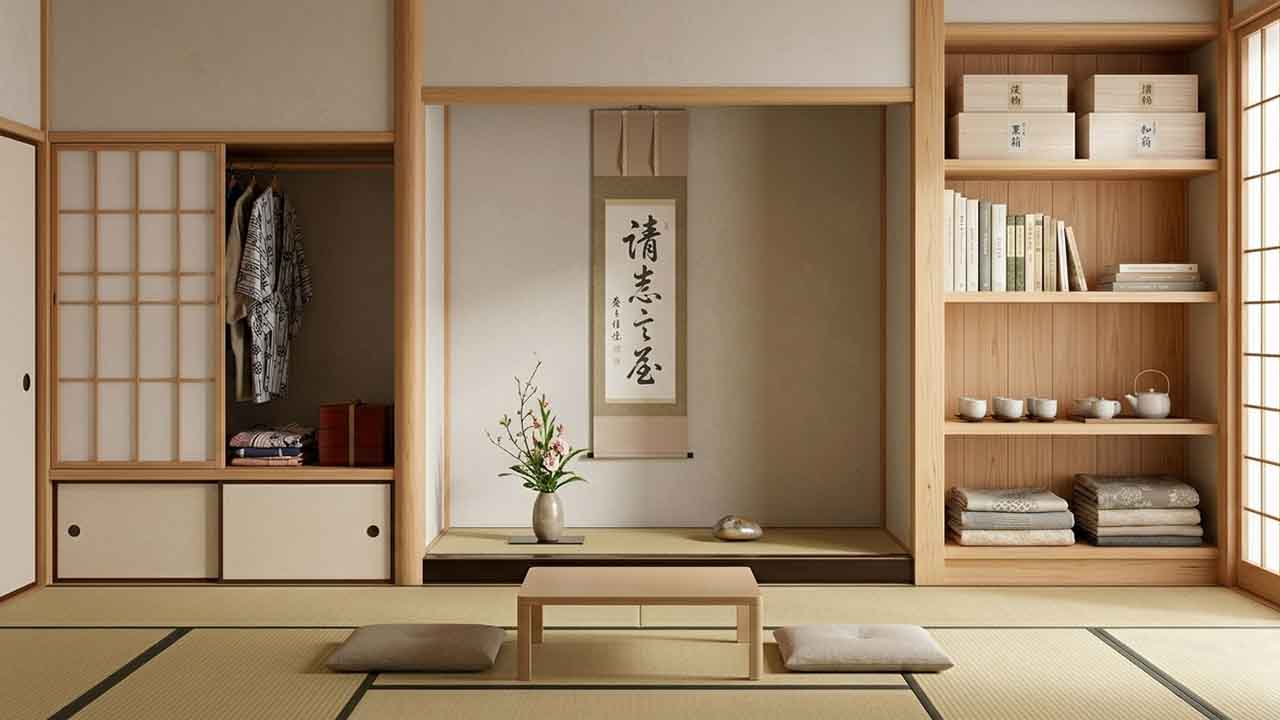
Life Doesn’t Have To Be Full: A Simple Lesson From Marie Kondo
aydul.com - at first, i never really thought about exploring the world of “tidying up.” for me, it used to be something simple, if things were neat, great; if not, i could always clean them later. but everything changed when i accidentally came across marie kondo. at that time, it just appeared in some content i saw, and it made me curious. “is tidying really that important to be discussed so seriously?” from that curiosity, i started learning more about her. it turns out, marie kondo is not just someone who likes cleaning. since she was young, she has had a strong interest in organizing. she often read books about tidiness and even practiced organizing things on her own from an early age. that’s when i started thinking, there are actually people who can dive deep into something simple and turn it into something meaningful and impactful. a simple yet deep philosophy as i kept exploring, i came across her well-known book, the life-changing magic of tidying up. that’s where i began to understand the idea of spark joy. the concept is simple: keep only the things that truly bring you happiness. it sounds easy, but when you really think about it, it’s something we rarely do. we often keep things because “we might need them someday” or because “it feels wasteful to throw them away.” but in reality, holding on to too much only makes things feel crowded and uncomfortable. marie kondo also introduced the konmari method, which focuses on organizing by category instead of by place. this means we are encouraged to look at all items of one type at once, and then decide what truly deserves to be kept. for me, this is not just about technique, it’s about mindset. when it starts to relate to daily life from there, i slowly began connecting this concept to everyday life. not just about physical items, but also about time. because if you think about it, our time often feels just as “full” with things that aren’t really important. too many distractions, too many activities without clear direction. i’ve personally been in that phase. it felt like i was always busy, but not truly productive. days went by quickly, but the results didn’t feel meaningful. that’s when i realized, maybe what needs to be organized is not just my space, but also how i use my time. learning to choose, not just do inspired by marie kondo’s way of thinking, i started trying to be more selective. i began asking myself: is what i’m doing today really important? does this create any impact? or am i just filling time? not everything changed instantly, but at least i became more aware. i started reducing small habits that actually consumed a lot of time, like mindless scrolling or procrastinating. i also began learning to say “no” to things that weren’t really necessary. a slow but meaningful change the changes i felt were not sudden, but gradual. time started to feel more “spacious.” my days became more structured. and most importantly, i began to understand what i truly wanted to achieve. all of this started from a simple curiosity about one person and her way of thinking. by the way, this piece is purely based on the writer’s own ideas and personal experience, not just theory or a summary. everything shared here comes from what i have genuinely learned and felt myself. now, i see time differently. i no longer just fill it, but i choose how to use it. and maybe, without realizing it, what we actually need is not to add more into our lives—but to remove what’s unnecessary, so what truly matters can stand out more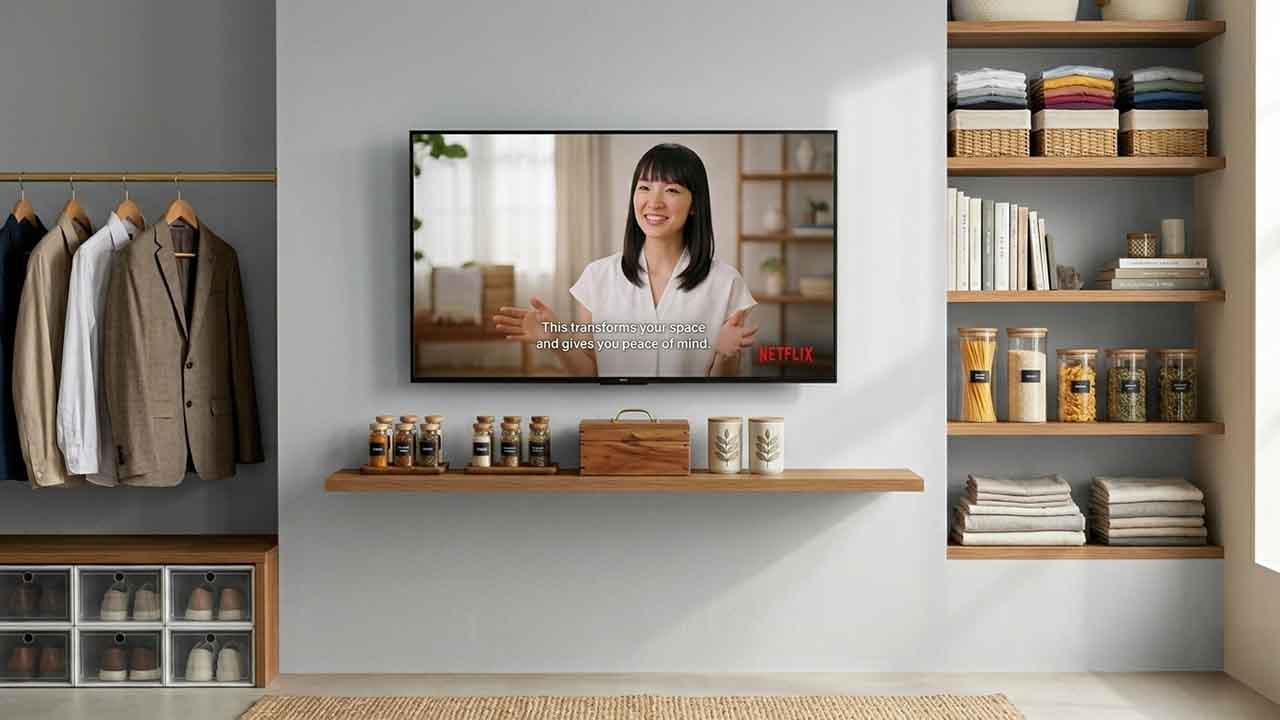
I Thought Tidying Was Simple, Until Marie Kondo Changed My Life Perspective
aydul.com - at first, i was just casually looking for ways to organize my room. you know, one of those moments when everything feels messy and overwhelming, but you don’t even know where to start. that’s when i first came across marie kondo. at first, i thought she was just someone who’s “really good at tidying up.” but the more i looked into her, the more interesting her background became. marie kondo is a japanese organizing consultant who has been passionate about tidying since she was young. apparently, even when she was still in school, she already loved reading books about organization and cleanliness. that made me think, “is it really possible for someone to be that focused on something like this since childhood?” understanding marie kondo’s philosophy the more i read and watched, i realized her method is not just about cleaning. through her book, the life-changing magic of tidying up, she introduced a unique concept: only keep things that truly bring you joy, or what she calls spark joy. it sounds simple, but honestly, it hits deeper than expected. because most of the time, we keep things not because we need them, but because we feel “it’s a waste to throw them away.” marie kondo is also known for her konmari method, which focuses on organizing by category rather than by location. so instead of cleaning room by room, you tidy up by types of items—like clothes, books, and sentimental items. at first, it might sound trivial, but the approach is actually very thoughtful. she teaches us to be fully aware of what we own. from objects to a way of living as i kept learning, i started to realize that what she teaches isn’t just about physical items. it’s actually about a way of living. and without realizing it, i began connecting this idea to my daily life—especially when it comes to time. because honestly, our time can feel just as “cluttered.” too many things coming in without filtering. too many activities done without really thinking whether they matter or not. i’ve been there myself. days felt full, but the results didn’t. busy, but empty. seeing time in a different way that’s when i started applying marie kondo’s mindset to how i use my time. i began asking myself simple questions: is this activity really important? does this actually improve my life? or is it just a repeated habit? slowly, i became more selective. not everything has to be done. not every invitation has to be accepted. and not every moment has to be filled. these small changes made a noticeable difference. my days started to feel lighter, and more importantly, more purposeful. the changes i felt now, i no longer feel the need to always be busy. instead, i focus more on things that truly matter. i also started limiting distractions, like mindless scrolling or activities that don’t add value. i’m not perfect at it, but at least i’m more aware now. what’s interesting is that all of this started from a simple curiosity about one person—marie kondo. and from that, i learned something important: life doesn’t have to be filled with many things to feel meaningful. sometimes, by having less, we actually find what truly matters. by the way, this piece is purely based on the writer’s own ideas and personal experience, not just theory. everything shared here comes from what i’ve genuinely felt and gone through. now, i see time differently. it’s no longer something i have to constantly chase, but something i need to take care of. and when i think about it, maybe all we really need is a little “tidying up”—not just our things, but also the way we live our lives
Japan And The Art Of Minimalist Living That Inspires The World
aydul.com - when discussing modern lifestyles, many people associate progress with abundance, more products, more choices, and more consumption. however, japan presents a different narrative. as one of the most developed nations in the world, japan demonstrates that true sophistication does not always come from having more, but from knowing what to keep and what to let go. its minimalist lifestyle has become a global inspiration, offering a refreshing alternative to the culture of excess. minimalism as a way of thinking in japan, minimalism is not just about decluttering physical space, it is a mindset. it begins with awareness, understanding what is necessary and what is not. this perspective is deeply influenced by traditional values that emphasize balance and harmony. instead of filling life with distractions, japanese culture encourages individuals to focus on essentials that bring genuine value. a strong foundation of this thinking comes from wabi-sabi, a philosophy that appreciates simplicity and the natural cycle of growth and decay. rather than chasing perfection, people are taught to find beauty in ordinary, imperfect things. this creates a more peaceful relationship with both possessions and life itself, reducing the constant pressure to upgrade or replace. designing space for clarity one of the most visible expressions of japanese minimalism is in its living spaces. homes are designed to feel open, flexible, and calming. rooms often serve multiple purposes, and furniture is kept to a minimum. natural light, neutral tones, and simple materials dominate the design, creating a sense of quiet elegance. this approach is not only aesthetic but also practical. a simplified environment helps reduce distractions and allows individuals to think more clearly. in a world filled with constant noise and information, such spaces offer a rare sense of mental relief. the idea is simple, when your surroundings are calm, your mind can be calm too. intentional living in daily habits minimalism in japan is reflected in everyday routines. people tend to be mindful of how they use their time, energy, and resources. this can be seen in small but meaningful actions, such as keeping spaces clean, organizing belongings neatly, and avoiding unnecessary waste. the concept of ikigai plays an important role here. by having a clear sense of purpose, individuals are less likely to be distracted by things that do not contribute to their well-being. instead of chasing trends or material possessions, they focus on activities and relationships that provide long-term satisfaction. this intentional approach extends to how people interact with others. respect, patience, and consideration are highly valued, creating a more harmonious social environment. minimalism, in this sense, is not just about objects, it is also about simplifying emotions and priorities. a different approach to consumption while japan is a major player in the global economy, its cultural values encourage thoughtful consumption. rather than buying frequently, many people prefer to invest in high-quality items that last longer. this mindset reduces waste and promotes sustainability, making minimalism both practical and environmentally responsible. craftsmanship is highly respected, and products are often designed with longevity in mind. whether it is a piece of clothing, a kitchen tool, or a household item, there is a focus on durability and functionality. this approach contrasts sharply with fast consumer culture, where items are quickly replaced and easily discarded. food culture also reflects this philosophy. meals are prepared with care, focusing on balance, nutrition, and presentation. instead of excess, there is an emphasis on portion control and appreciation. this not only supports physical health but also encourages mindfulness during everyday activities. why the world is inspired the global appeal of japanese minimalism lies in its simplicity and adaptability. in an era where many people feel overwhelmed by clutter, both physical and mental, japan offers a solution that feels achievable and meaningful. it does not require drastic changes, but rather small, consistent shifts in perspective. people around the world are beginning to realize that more possessions do not necessarily lead to more happiness. in fact, they can often create stress and distraction. by adopting a minimalist approach, individuals can regain control over their lives, focusing on what truly matters. japan’s example shows that minimalism is not about restriction, it is about freedom. freedom from unnecessary pressure, freedom from excess, and freedom to live with intention. this message resonates strongly in today’s fast-paced world. conclusion the minimalist lifestyle of japan is a powerful reminder that simplicity can coexist with progress. through philosophies like wabi-sabi and ikigai, japan teaches us to value meaning over material, and purpose over excess. as more people seek balance in their lives, the art of minimalist living continues to gain relevance. japan’s approach is not just a cultural identity, it is a timeless lesson. by embracing less, we may ultimately discover more, more peace, more clarity, and more fulfillment.
Learning From Japan: A Developed Nation With A Simple Yet Meaningful Lifestyle
aydul.com - when people think of japan, they often imagine a country filled with cutting-edge technology, fast-paced cities, and strong economic power. while this image is not wrong, it only tells part of the story. beneath the modern skyline and advanced infrastructure lies a deeply rooted cultural philosophy centered on simplicity, mindfulness, and intentional living. japan offers a unique example of how a developed nation can embrace minimalism while maintaining a high quality of life. the essence of minimalism in japan one of the most striking aspects of japanese life is its commitment to minimalism. this is not simply about owning fewer possessions, but about valuing what truly matters. many japanese homes are designed with simplicity in mind, clean lines, neutral colors, and functional spaces. traditional elements such as tatami mats and sliding doors help create an environment that feels open and uncluttered. the idea is to remove excess so that the mind can rest, focus, and appreciate the present moment. this minimalist mindset is closely tied to cultural philosophies like wabi-sabi, which finds beauty in imperfection and impermanence. rather than striving for perfection, people in japan often embrace flaws and natural aging. a cracked ceramic bowl, for example, may be repaired using gold in the art of kintsugi, transforming damage into beauty. this perspective encourages people to accept life as it is, reducing stress and fostering a deeper sense of gratitude. purpose and meaning in everyday life another important concept is ikigai, which translates roughly to “a reason for being.” in japan, people are encouraged to find meaning in their daily lives, whether through work, hobbies, or relationships. this sense of purpose often leads to greater satisfaction and longevity. it also aligns with minimalism, as individuals focus their energy on what truly brings value rather than chasing endless consumption. the influence of minimalism in japan extends beyond the home and into everyday habits. organization and cleanliness are deeply ingrained in society. public spaces are often spotless, and people take personal responsibility for maintaining their environment. this is evident in schools, where students clean their own classrooms, and in cities, where litter is rare despite the scarcity of public trash bins. such practices reflect a collective mindset that prioritizes discipline, respect, and shared responsibility. a culture of quality over quantity consumer behavior in japan also reflects a more thoughtful approach. while japan is a major economic power, many people prioritize quality over quantity. products are often designed to last, and there is a strong appreciation for craftsmanship. this can be seen in everything from handmade pottery to carefully prepared meals. instead of constantly seeking new items, individuals tend to invest in things that have lasting value and meaning. work culture in japan is often described as demanding, but it also carries lessons about dedication and pride in one’s role. while there are ongoing efforts to improve work-life balance, many japanese people find fulfillment in contributing to their community and striving for excellence. the key takeaway is not to adopt the intensity of the work culture, but to recognize the importance of purpose and commitment in achieving a meaningful life. living in harmony with nature nature also plays a significant role in shaping japan’s minimalist lifestyle. the changing seasons are deeply appreciated, and activities like cherry blossom viewing encourage people to slow down and connect with the natural world. this connection reinforces the idea that happiness does not come from material possessions, but from experiences and awareness. in a global era dominated by consumerism, japan offers a refreshing perspective. it shows that progress and simplicity are not mutually exclusive. a country can be technologically advanced while still valuing tradition, mindfulness, and intentional living. the japanese approach reminds us that having more does not always lead to greater happiness. instead, it is often about having enough, and appreciating it fully. there are valuable lessons to be learned from japan’s way of life. by embracing minimalism, focusing on purpose, and cultivating gratitude, individuals can create a more balanced and meaningful existence. while cultural differences mean that not every aspect can be directly applied elsewhere, the core principles remain universal. ultimately, japan teaches us that simplicity is not about deprivation, but about clarity. it is about making space, for what matters, for personal growth, and for genuine happiness. in a world that often encourages excess, this message is more relevant than ever.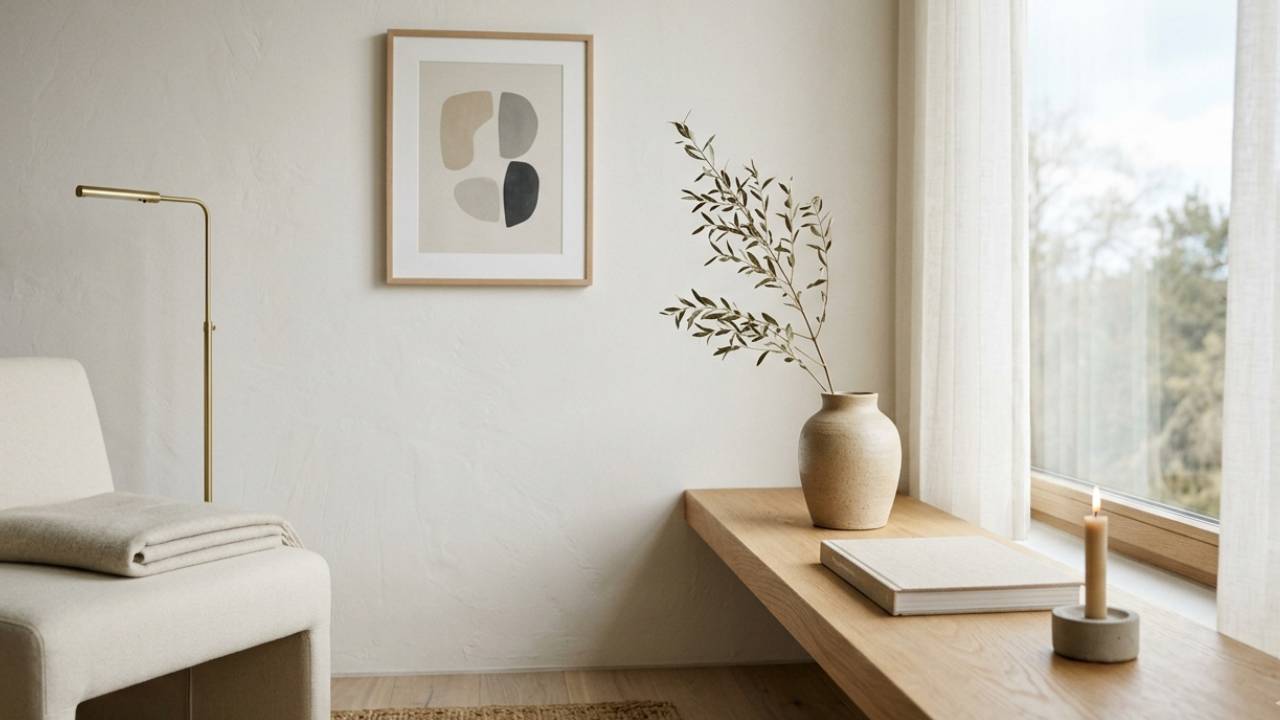
Minimalism In Modern Life: Quality Over Quantity
1. introduction: living in a consumer-driven world in today’s modern world, people are constantly surrounded by advertisements, trends, and social media influences that encourage them to buy more and own more. every day, new products are introduced, promising happiness, convenience, and a better lifestyle. as a result, many people begin to believe that the more things they own, the more successful or happier they will be. however, reality often tells a different story. many individuals who have accumulated numerous possessions still feel stressed, overwhelmed, or unsatisfied. houses become filled with unused items, schedules become overloaded with responsibilities, and life begins to feel more complicated rather than fulfilling. because of this, many people are turning toward a different approach to life: minimalism. minimalism offers a new perspective by encouraging people to focus on what truly matters. instead of chasing quantity, minimalism emphasizes the importance of quality and meaningful living. 2. understanding the concept of minimalism minimalism is a lifestyle that focuses on simplicity and intentional living. it encourages people to remove unnecessary possessions and distractions so they can concentrate on what is truly valuable in life. the core idea of minimalism is simple: having fewer things can often lead to a more meaningful and balanced life. it is important to understand that minimalism does not mean living with almost nothing or rejecting modern comfort. rather, it means being more mindful about what we own and what we choose to keep in our lives. a minimalist chooses items that serve a real purpose, bring joy, or add genuine value. by focusing on quality instead of quantity, minimalism helps people avoid unnecessary consumption and encourages thoughtful decision-making. 3. minimalism in everyday life minimalism can be applied in many aspects of daily life, starting with our physical environment. many people keep items they rarely or never use. these belongings often take up space and create clutter, making homes feel crowded and disorganized. by adopting a minimalist mindset, individuals begin to evaluate their possessions and ask themselves whether each item truly serves a purpose. items that are no longer useful may be donated, recycled, or given away. this process not only clears physical space but also creates a sense of relief and clarity. minimalism can also be applied to time management. modern life often involves busy schedules filled with work, social obligations, and endless activities. many people feel exhausted because they try to do too many things at once. a minimalist approach encourages individuals to prioritize activities that are meaningful and beneficial, while reducing unnecessary commitments. this allows people to create more balance and focus in their daily lives. 4. the positive impact on mental well-being one of the most significant benefits of minimalism is its positive effect on mental health. a clean, organized, and simple environment can create a calm and peaceful atmosphere. when there is less clutter around us, it becomes easier to think clearly and stay focused. on the other hand, living in a crowded and messy environment can increase stress and reduce productivity. too many distractions can overwhelm the mind and make it difficult to concentrate. minimalism helps reduce this mental burden by simplifying both physical surroundings and daily routines. as a result, people often feel more relaxed, focused, and emotionally balanced. 5. minimalism and financial freedom another advantage of minimalism is better financial management. when people adopt a minimalist lifestyle, they tend to spend money more carefully. instead of buying items impulsively, they consider whether a purchase is truly necessary. this habit helps individuals avoid unnecessary expenses and encourages them to focus on long-term financial goals. money that might have been spent on unnecessary items can instead be saved, invested, or used for meaningful experiences. over time, these choices can lead to greater financial stability and independence. in this way, minimalism not only simplifies life but also supports a more secure future. 6. minimalism in social relationships minimalism is not only about physical possessions; it can also influence how people approach relationships. in modern society, it is common to have many acquaintances or social connections, especially through social media. however, not all of these relationships are meaningful. a minimalist mindset encourages individuals to focus on building deeper, more genuine connections with people who truly matter, such as family members, close friends, and supportive communities. by prioritizing meaningful relationships rather than a large number of superficial connections, people can experience stronger emotional support and a greater sense of belonging. 7. environmental benefits of minimalism minimalism also contributes to environmental sustainability. modern consumer culture often leads to excessive production and waste, which can harm the environment and deplete natural resources. by choosing to buy fewer but higher-quality products, individuals can reduce waste and minimize their environmental footprint. reusing items, repairing belongings, and avoiding unnecessary purchases all help support a more sustainable lifestyle. when many people adopt these habits, the collective impact can significantly benefit the planet. 8. discovering happiness through simplicity ultimately, minimalism encourages people to redefine what happiness truly means. instead of measuring success by the number of possessions they own, minimalists focus on experiences, personal growth, and meaningful relationships. with fewer distractions and unnecessary pressures, individuals can spend more time doing what truly matters—such as learning new skills, spending time with loved ones, exploring nature, or simply enjoying moments of peace. this shift in perspective allows people to appreciate the beauty of simple living and find satisfaction in everyday experiences. 9. conclusion minimalism in modern life offers a powerful alternative to the pressures of consumer culture. by prioritizing quality over quantity, individuals can simplify their lives and focus on what truly matters. through mindful choices, reduced clutter, and intentional living, minimalism helps create a more balanced, peaceful, and meaningful lifestyle. in a fast-paced world filled with distractions, embracing simplicity may be one of the most effective ways to achieve genuine happiness and long-term well-being.
The Rise Of Digital Minimalism: Why People Are Choosing A Simpler Life In 2026
in a world dominated by smartphones, social media notifications, endless emails, and constant online connectivity, many people are beginning to feel overwhelmed by digital noise. over the past few years, a new lifestyle trend has emerged as a response to this overload: digital minimalism. in 2026, digital minimalism is no longer a niche concept practiced by a few tech-conscious individuals. instead, it has become a global movement embraced by professionals, students, entrepreneurs, and families who want to live more intentionally in a hyperconnected world. digital minimalism is not about rejecting technology entirely. instead, it is about using technology more consciously and purposefully. people who adopt digital minimalism focus on keeping only the digital tools that truly add value to their lives while eliminating unnecessary distractions. this approach helps them regain control over their time, attention, and mental well-being. the growing problem of digital overload modern technology has brought incredible convenience and opportunity. we can communicate instantly, access unlimited information, and work remotely from almost anywhere in the world. however, these benefits also come with a cost. many people now spend several hours every day scrolling through social media feeds, checking messages, watching short videos, and jumping between apps. studies show that the average person checks their phone dozens of times per day. this constant stimulation can lead to mental fatigue, reduced focus, and even anxiety. in 2026, the effects of digital overload are becoming more widely recognized. people are increasingly aware that too much screen time can impact productivity, sleep quality, and overall happiness. as a result, more individuals are seeking ways to simplify their digital lives. what is digital minimalism? digital minimalism is a philosophy that encourages intentional use of technology. instead of allowing apps and platforms to dictate how we spend our time, digital minimalists carefully choose which technologies deserve their attention. the core idea is simple: technology should serve your values, not control your life. someone practicing digital minimalism might: remove unnecessary apps from their phone limit social media usage to specific times turn off nonessential notifications focus on meaningful online activities instead of passive scrolling by reducing digital clutter, people create more space for activities that truly matter, such as relationships, creativity, learning, and personal growth. why digital minimalism is trending in 2026 there are several reasons why digital minimalism has gained popularity in recent years. increased awareness of mental health - mental health has become a major global conversation. many people are recognizing how social media comparison, constant notifications, and information overload can negatively affect their well-being. digital minimalism offers a practical way to reduce stress and regain emotional balance. the rise of remote work - remote work has become a normal part of life for millions of professionals. while working from home offers flexibility, it also means spending even more time in front of screens. digital minimalism helps remote workers create healthier boundaries between work and personal life. the desire for deeper focus - in a world full of distractions, focus has become a valuable skill. entrepreneurs, creators, and students are turning to digital minimalism to protect their attention. by reducing unnecessary digital interruptions, they can concentrate on meaningful tasks and improve productivity. a cultural shift toward simplicity - minimalism is no longer limited to decluttering physical spaces. many people are applying minimalist principles to other areas of life, including finances, schedules, and digital habits. the idea of “less but better” resonates strongly with modern lifestyles. benefits of adopting digital minimalism people who practice digital minimalism often report several positive changes in their lives. better focus and productivity - without constant notifications and endless scrolling, it becomes easier to concentrate on important tasks. many professionals find they can accomplish more work in less time when distractions are minimized. improved mental well-being - reducing exposure to social media comparison and online negativity can help improve mood and self-esteem. many individuals feel calmer and less anxious when they simplify their digital environments. more free time - when people spend less time online, they gain more time for real-life experiences. this extra time can be used for hobbies, exercise, family activities, or simply relaxing without screens. stronger relationships - digital minimalism encourages people to prioritize meaningful interactions. instead of constantly checking phones during conversations, individuals become more present with friends and family. practical ways to start digital minimalism adopting digital minimalism does not require drastic changes overnight. small steps can make a significant difference. audit your digital habits - start by reviewing how much time you spend on different apps and platforms. many smartphones now provide screen-time reports that reveal usage patterns. remove unnecessary apps - if certain apps do not provide real value, consider deleting them. this simple step can dramatically reduce digital distractions. turn off nonessential notifications - notifications are designed to grab your attention. turning off alerts for nonimportant apps helps you stay focused. schedule screen-free time - create moments in your day that are completely free from digital devices. this could include mornings, meals, or the hour before bedtime. replace digital time with meaningful activitie - instead of automatically reaching for your phone, try activities such as reading, exercising, journaling, or spending time outdoors. the future of digital minimalism as technology continues to evolve, the need for intentional digital habits will likely become even more important. artificial intelligence, immersive virtual environments, and advanced mobile technologies will bring new possibilities, but they may also increase digital distractions. digital minimalism offers a framework for navigating this future wisely. rather than rejecting innovation, it encourages people to remain mindful about how technology fits into their lives. in 2026, the rise of digital minimalism reflects a deeper cultural shift. people are realizing that constant connectivity does not always lead to greater happiness. instead, many are discovering that a simpler, more intentional digital life can create greater clarity, balance, and fulfillment. ultimately, digital minimalism is not about using less technology—it is about using technology better. by choosing quality over quantity in our digital experiences, we can create space for what truly matters in life.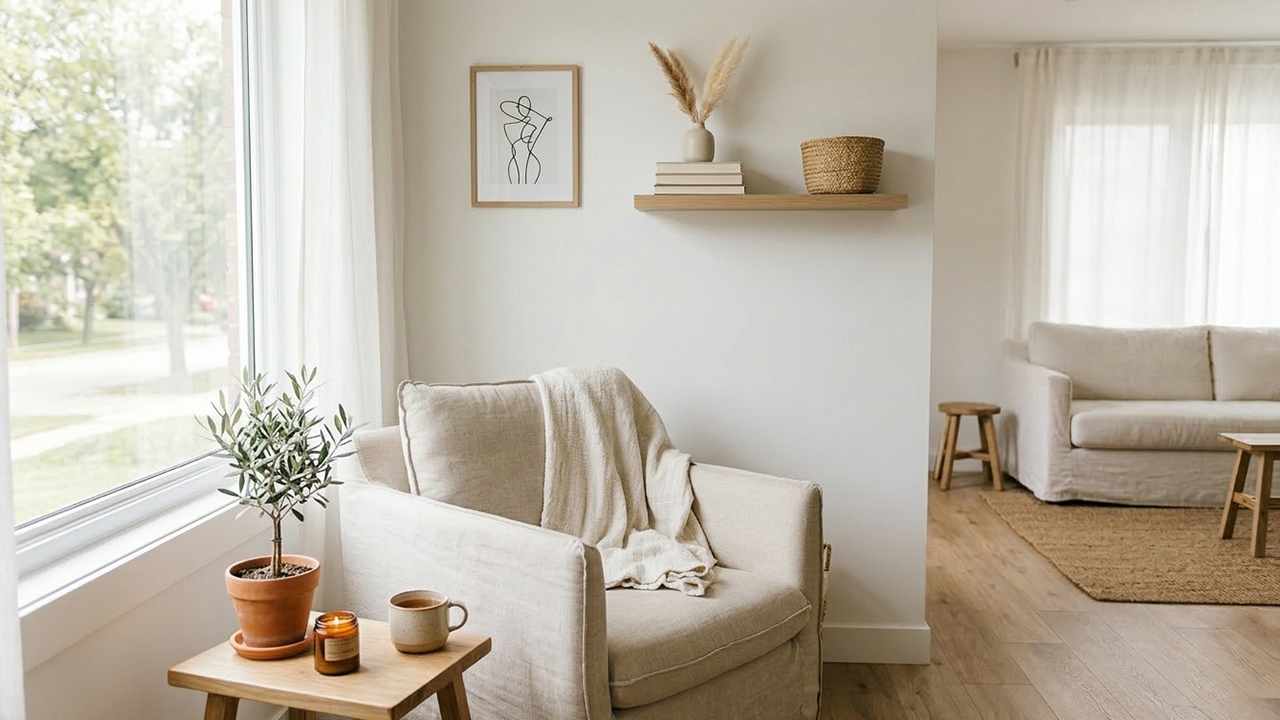
Minimalist Lifestyle Meaning: Why Living With Less Can Give You More Freedom
minimalism is often misunderstood. some people imagine empty homes, plain furniture, and owning almost nothing. but the real meaning of a minimalist lifestyle is much deeper than that. minimalism is about intentionally choosing what truly adds value to your life and removing what does not. by focusing on what matters most, people can create more space for time, freedom, relationships, and personal growth. whether you already know about minimalism or are completely new to the idea, understanding its true meaning can help you build a calmer and more meaningful life. what is a minimalist lifestyle? a minimalist lifestyle is a way of living that focuses on simplicity and intentional choices. instead of constantly collecting more possessions, minimalists focus on keeping only the things that are useful, meaningful, or valuable. the main idea is simple: remove the excess so you can focus on what truly matters. minimalism does not mean living with nothing. it simply means being more thoughtful about what you own and how you live. for example, instead of having many items that are rarely used, a minimalist prefers fewer items that serve a clear purpose. this approach often leads to a cleaner space, a clearer mind, and a more organized life. the philosophy behind minimalism at its core, minimalism is not only about physical possessions. it is a mindset that encourages intentional living. modern society often promotes constant consumption. advertisements encourage people to buy more products, follow more trends, and keep upgrading everything they own. over time, this can create clutter, stress, and unnecessary pressure. minimalism offers a different perspective. instead of asking, “what else can i add to my life?”, minimalists ask, “what can i remove that no longer serves me?” this shift in thinking helps people focus on what truly brings happiness and meaning. benefits of living a minimalist lifestyle many people choose minimalism because it provides several practical and emotional benefits. 1. reduced stress cluttered environments can make daily life feel overwhelming. by reducing unnecessary possessions, people often feel calmer and more relaxed in their living spaces. 2. better financial control minimalists tend to spend more intentionally. instead of buying many cheap items, they focus on quality purchases that last longer. this habit can lead to significant financial savings. 3. increased focus with fewer distractions, it becomes easier to concentrate on personal goals, work, and creative activities. 4. more time and energy owning fewer things means less cleaning, organizing, and maintenance. this frees up time for hobbies, relationships, and personal development. 5. greater appreciation when you own fewer items, you often appreciate them more. each possession has a purpose and meaning. minimalism is not the same for everyone one important thing to understand is that minimalism looks different for every person. for example, someone who loves fashion may still own many clothes, but each piece is carefully chosen and regularly worn. a musician may have multiple instruments because they are essential to their passion. a chef may have many kitchen tools that support their craft. minimalism is not about reaching a specific number of belongings. instead, it is about ensuring that the things you own truly serve your lifestyle and values. this flexibility is what makes minimalism accessible to many different types of people. how to start living a minimalist lifestyle starting a minimalist lifestyle does not require drastic changes. the process can begin with small and manageable steps. start with one area choose a small space such as a desk, drawer, or closet. remove items that you no longer use or need. ask simple questions when deciding whether to keep something, consider asking yourself: do i use this regularly? does this improve my life? would i buy this again today? if the answer is no, it may be time to let it go. focus on quality over quantity instead of buying many inexpensive items, consider investing in fewer high-quality products that last longer. simplify other areas of life minimalism can also apply to schedules, digital habits, and commitments. reducing unnecessary obligations can create more time for meaningful experiences. the true meaning of minimalism ultimately, the minimalist lifestyle is about intentional living. it encourages people to focus on what truly matters while removing the distractions that do not add value. minimalism is not about restriction or deprivation. instead, it is about creating space in your life for things that bring genuine happiness and fulfillment. for some people, that might mean owning fewer possessions. for others, it might mean simplifying their routines or prioritizing meaningful relationships. the true meaning of minimalism is simple: living with purpose, clarity, and intention. by choosing what deserves a place in your life, you gain the freedom to focus on what truly matters.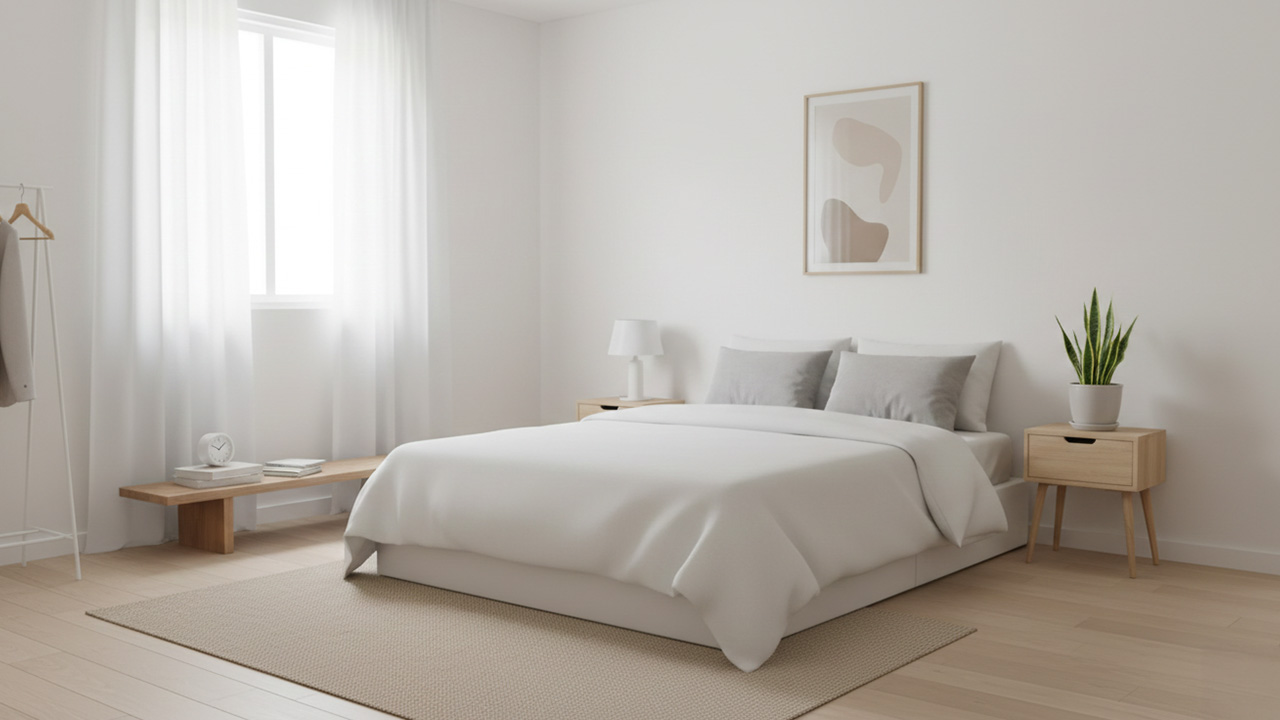
Modern Life Full Of Stress? Minimalism Can Change Everything
minimalist living is crucial in modern times in this modern era, fast-paced and consumerist living leaves many people feeling stressed, overwhelmed, and easily distracted. many of us live surrounded by objects, notifications, and routines that make it difficult to focus. minimalist living offers a solution, a simpler, more focused, and happier way of life. minimalist living isn't just about having fewer things, but about choosing what's important and discarding what's unnecessary. with this principle, modern life can be more organized, economical, and high-quality. what is minimalist living? minimalist living is a philosophy that emphasizes quality over quantity. unnecessary things are reduced, while things that provide value or happiness are prioritized. for example, eliminating rarely worn clothing, simplifying home decor, limiting unused electronics, and focusing on experiences rather than objects. minimalism is also a mindset that promotes a more focused and peaceful life. reducing stress and anxiety one of the greatest benefits of minimalist living is reducing stress. many modern people live with rooms or houses cluttered with clutter. excessive items take up space and create mental stress. minimalist living creates a tidier space, clearer thoughts, and more time for important things. as a result, anxiety is reduced and quality of life is improved. focus on what's important modern life is full of distractions, from social media and notifications to various meetings. minimalism helps prioritize what's truly important. we can reduce impulse purchases, focus on our careers or businesses, and choose healthy relationships. this way, energy and attention are not wasted. saving money minimalist living also helps save money. when we are aware of our needs and choose truly useful items, we can reduce many costs. we can reduce unnecessary clothing or gadget purchases, focus on purchasing quality items, and minimize maintenance costs. the remaining money can be allocated to valuable experiences or long-term investments. cleaner and friendlier environment minimalism has a positive impact on the environment. excessive items mean more production, waste, and waste. by living simply, we consume less, buy quality, durable products, and reduce plastic and electronic waste. minimalist living is good for both ourselves and the planet. strengthening focus and productivity by reducing clutter, apps, and distractions, we can focus on what matters. a tidy desk creates a calmer mind, a smartphone with limited apps helps focus, and a simple home makes mental energy more efficient. increased focus automatically increases productivity and reduces stress. making a happier life living a minimalist life doesn't make us feel deprived. on the contrary, it makes us appreciate what we have more, has more time for valuable experiences, and has less social pressure. many people report feeling more satisfied, calm, and happy after adopting a minimalist lifestyle. how to start a minimalist life starting a minimalist life doesn't have to be drastic. we can start slowly by clearing out our house or room of unused items. reduce unnecessary apps and notifications, make a priority list, and focus on things that provide value. choose quality over quantity, limit social media consumption, and start with one area like our wardrobe or desk. minimalist living for the modern age in the modern era, life is fast-paced, full of distractions, and consumerism. minimalism helps us set priorities, live a calmer, more productive, reduce expenses, and be happier. even in the digital world, minimalist principles can be applied by reducing apps, emails, and simplifying social media content and the tools used. conclusion minimalist living is not just a trend or aesthetic lifestyle, but a relevant way of life for facing modern challenges. with minimalism, we can reduce stress, focus on what's important, save money, be environmentally friendly, be more productive, and be happier. for anyone who wants to live a more peaceful and effective life, adopting minimalist principles is a crucial step in this modern era.Subscribe Me
Get notified when new articles are published

Top Article
1
You May Like
2