More Popeyes Locations Shut Down as Major Franchise Operator Faces $130 Million Debt Crisis
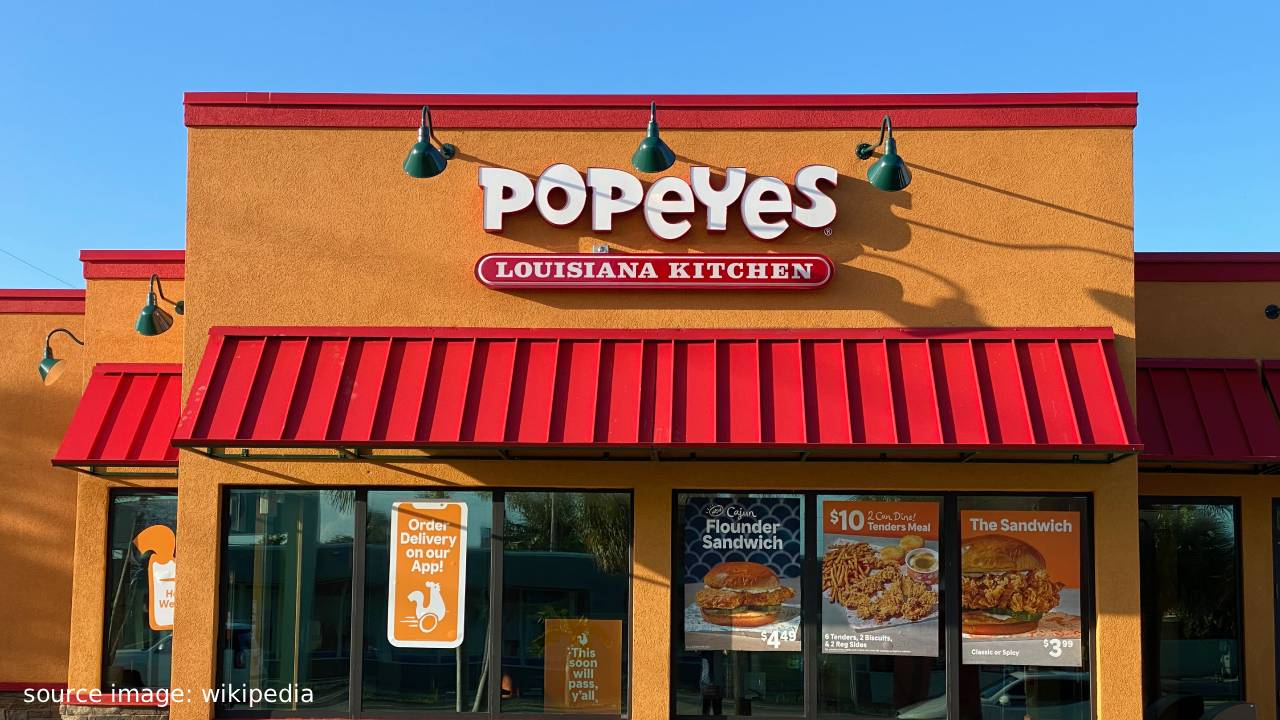
The fast-food industry in the United States is once again facing challenges as several locations of the popular fried chicken chain Popeyes have been forced to shut down. The closures come after one of the brand’s largest franchise operators encountered serious financial trouble and filed for bankruptcy protection.
The company responsible for operating these restaurants is Sailormen Inc., a major franchisee that has managed more than a hundred Popeyes locations across the southeastern United States. However, mounting debt and rising operating costs have placed significant pressure on the business, ultimately leading the company to seek legal protection while it restructures its finances. This development has drawn attention across the restaurant industry because it highlights the challenges that even well-known fast-food brands and their franchise partners can face in today’s economic climate.
Sailormen Inc. Files for Chapter 11 Bankruptcy
In early 2026, Sailormen Inc. officially filed for Chapter 11 bankruptcy protection, a legal process in the United States that allows companies to reorganize their debts while continuing to operate. Unlike Chapter 7 bankruptcy, which involves liquidation, Chapter 11 provides struggling businesses with an opportunity to restructure their financial obligations, renegotiate leases, and close underperforming locations while attempting to remain operational.
According to court filings, Sailormen reportedly carries debts totaling more than $130 million. These liabilities include obligations to landlords, suppliers, lenders, and other creditors connected to the company’s restaurant operations. By filing for Chapter 11 protection, the company hopes to stabilize its finances and preserve as many restaurant locations as possible while developing a long-term recovery strategy.
Around 20 Popeyes Locations Have Already Closed
As part of the restructuring process, Sailormen has begun closing several restaurants that were no longer financially viable. So far, approximately 20 Popeyes locations have shut down.Most of these closures have occurred in the states of Florida and Georgia, where the company previously operated a large portion of its restaurants.
Many of the closures were carried out through lease rejections, a legal mechanism that allows companies undergoing bankruptcy to terminate costly property leases. By eliminating underperforming locations, Sailormen aims to reduce financial strain and focus on restaurants that remain profitable. For customers in affected areas, the closures mean fewer Popeyes dining options. Some communities that once had easy access to the chain’s signature fried chicken may now need to travel further to find an open location.
Rising Costs and Economic Pressures
Sailormen’s financial struggles reflect broader challenges currently facing the restaurant industry. Over the past several years, fast-food operators have been dealing with a combination of rising costs and shifting consumer habits.
-
Inflation and Higher Operating Costs
One of the biggest factors impacting restaurants is inflation. The cost of essential ingredients such as chicken, cooking oil, and packaging has increased significantly. n addition, restaurants have experienced higher expenses for utilities, transportation, and equipment maintenance. When combined, these rising costs can greatly reduce profit margins for individual restaurant locations.
-
Labor Costs Continue to Increase
Labor expenses have also risen across the food service sector. In several regions of the United States, minimum wage increases and labor shortages have forced restaurant operators to pay higher wages in order to attract and retain staff. While higher wages benefit workers, they can create additional financial pressure for franchise operators who must balance payroll costs with declining profit margins. -
Shifts in Customer Behavior
Consumer behavior has changed considerably in recent years. Many customers now rely heavily on delivery services and online ordering instead of visiting restaurants in person. Although delivery platforms can generate revenue, they also come with service fees that reduce overall profitability for restaurants.
The Competitive “Chicken Wars”
Another factor contributing to the pressure on fast-food chains is the intense competition in the fried chicken market. The rivalry among major restaurant brands has been widely described as the “chicken sandwich wars.” Companies are constantly launching new menu items, limited-time offers, and promotional campaigns to capture customer attention.
Chains across the United States are competing aggressively to dominate the fried chicken segment, making it difficult for individual franchise operators to maintain consistent profits. Even a well-recognized brand like Popeyes must continually innovate in order to stay competitive in this crowded market.
Impact on Employees and Communities
Restaurant closures can have significant ripple effects beyond the businesses themselves.
-
Job Losses
Each restaurant typically employs dozens of workers, including cooks, cashiers, managers, and cleaning staff. When a location closes, many employees may lose their jobs or need to seek employment elsewhere. in some cases, workers may be transferred to nearby restaurants that remain open, but this is not always possible. -
Local Economic Impact
Restaurants often serve as important contributors to local economies. They generate tax revenue, support suppliers, and provide accessible employment opportunities for residents. When multiple locations close within a region, communities can experience both economic and social impacts. -
Reduced Convenience for Customers
For loyal Popeyes customers, the closures mean fewer places to enjoy the brand’s well-known Louisiana-style fried chicken. Many fans appreciate the chain’s signature crispy coating, bold seasoning, and popular chicken sandwiches. With fewer locations available, customers in certain areas may have limited access to their favorite menu items.
What Happens Next for Popeyes?
Despite the closures connected to Sailormen’s bankruptcy, the overall future of Popeyes as a global brand remains stable. The company continues to operate thousands of restaurants worldwide, and many franchisees remain financially healthy. In fact, Popeyes has been expanding in several markets by opening new restaurants and introducing updated store designs.
Most of Sailormen’s remaining locations are still open while the bankruptcy process continues. The company will likely negotiate with creditors, evaluate additional restaurant performance, and determine which locations should remain part of its long-term business plan. If the restructuring process succeeds, Sailormen could emerge from bankruptcy with a smaller but more sustainable restaurant portfolio.
Challenges Facing the Fast-Food Industry
The situation surrounding Sailormen highlights the broader challenges facing fast-food operators today. Restaurants must constantly adapt to:
- Rising food and supply costs
- Increasing labor expenses
- Changing consumer habits
- Intense competition among major brands
- The growing influence of delivery platforms
Operators that succeed in this environment are often those that innovate with digital ordering systems, creative menu offerings, and efficient cost management strategies.
Conclusion
The closure of roughly 20 Popeyes restaurants following the bankruptcy filing by Sailormen Inc. demonstrates how economic pressures can affect even established fast-food chains. While the brand itself remains strong, franchise operators must carefully navigate rising operational costs and fierce industry competition. Sailormen’s restructuring effort will determine the long-term future of many of its remaining restaurant locations. For now, the fast-food industry continues to evolve, and companies that adapt quickly to economic shifts and consumer trends will be best positioned for long-term success.
SHARE
RELATED POST