Minimalism in Modern Life: Quality Over Quantity
1. Introduction: Living in a Consumer-Driven World
In today’s modern world, people are constantly surrounded by advertisements, trends, and social media influences that encourage them to buy more and own more. Every day, new products are introduced, promising happiness, convenience, and a better lifestyle. As a result, many people begin to believe that the more things they own, the more successful or happier they will be. However, reality often tells a different story. Many individuals who have accumulated numerous possessions still feel stressed, overwhelmed, or unsatisfied. Houses become filled with unused items, schedules become overloaded with responsibilities, and life begins to feel more complicated rather than fulfilling. Because of this, many people are turning toward a different approach to life: minimalism. Minimalism offers a new perspective by encouraging people to focus on what truly matters. Instead of chasing quantity, minimalism emphasizes the importance of quality and meaningful living.
2. Understanding the Concept of Minimalism
Minimalism is a lifestyle that focuses on simplicity and intentional living. It encourages people to remove unnecessary possessions and distractions so they can concentrate on what is truly valuable in life. The core idea of minimalism is simple: having fewer things can often lead to a more meaningful and balanced life. It is important to understand that minimalism does not mean living with almost nothing or rejecting modern comfort. Rather, it means being more mindful about what we own and what we choose to keep in our lives. A minimalist chooses items that serve a real purpose, bring joy, or add genuine value. By focusing on quality instead of quantity, minimalism helps people avoid unnecessary consumption and encourages thoughtful decision-making.
3. Minimalism in Everyday Life
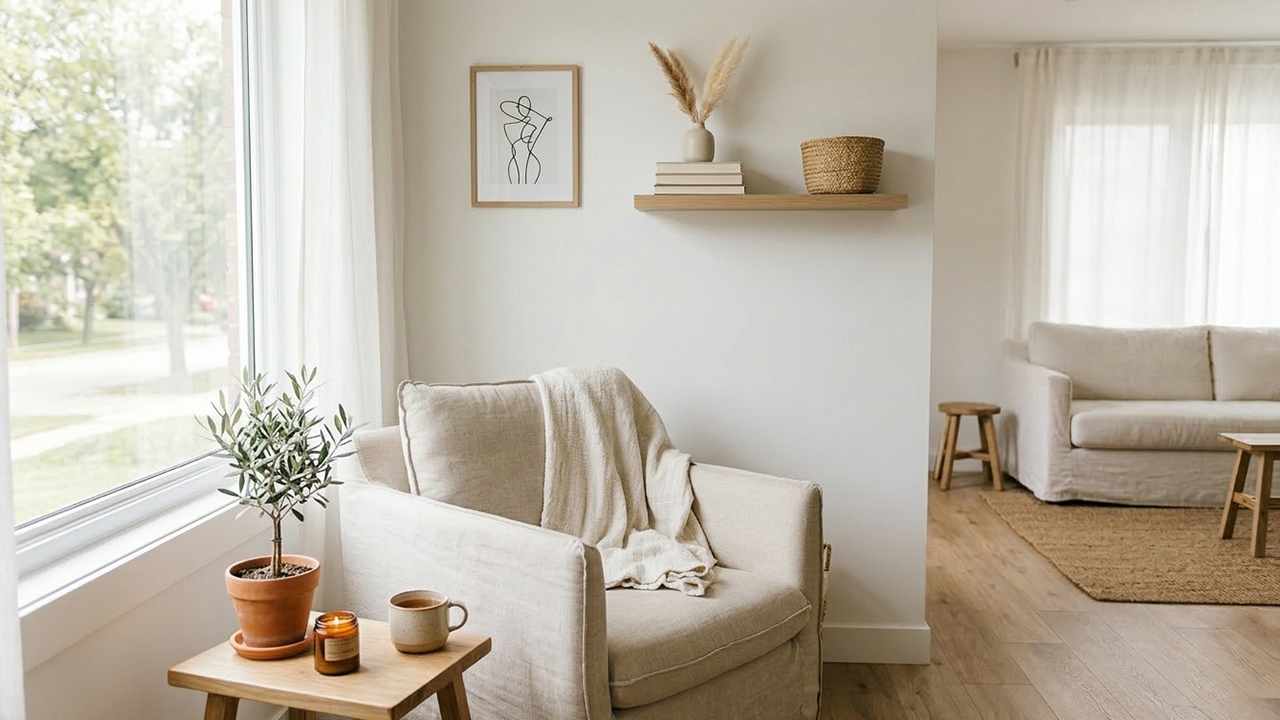
Minimalism can be applied in many aspects of daily life, starting with our physical environment. Many people keep items they rarely or never use. These belongings often take up space and create clutter, making homes feel crowded and disorganized. By adopting a minimalist mindset, individuals begin to evaluate their possessions and ask themselves whether each item truly serves a purpose. Items that are no longer useful may be donated, recycled, or given away. This process not only clears physical space but also creates a sense of relief and clarity. Minimalism can also be applied to time management. Modern life often involves busy schedules filled with work, social obligations, and endless activities. Many people feel exhausted because they try to do too many things at once. A minimalist approach encourages individuals to prioritize activities that are meaningful and beneficial, while reducing unnecessary commitments. This allows people to create more balance and focus in their daily lives.
4. The Positive Impact on Mental Well-Being
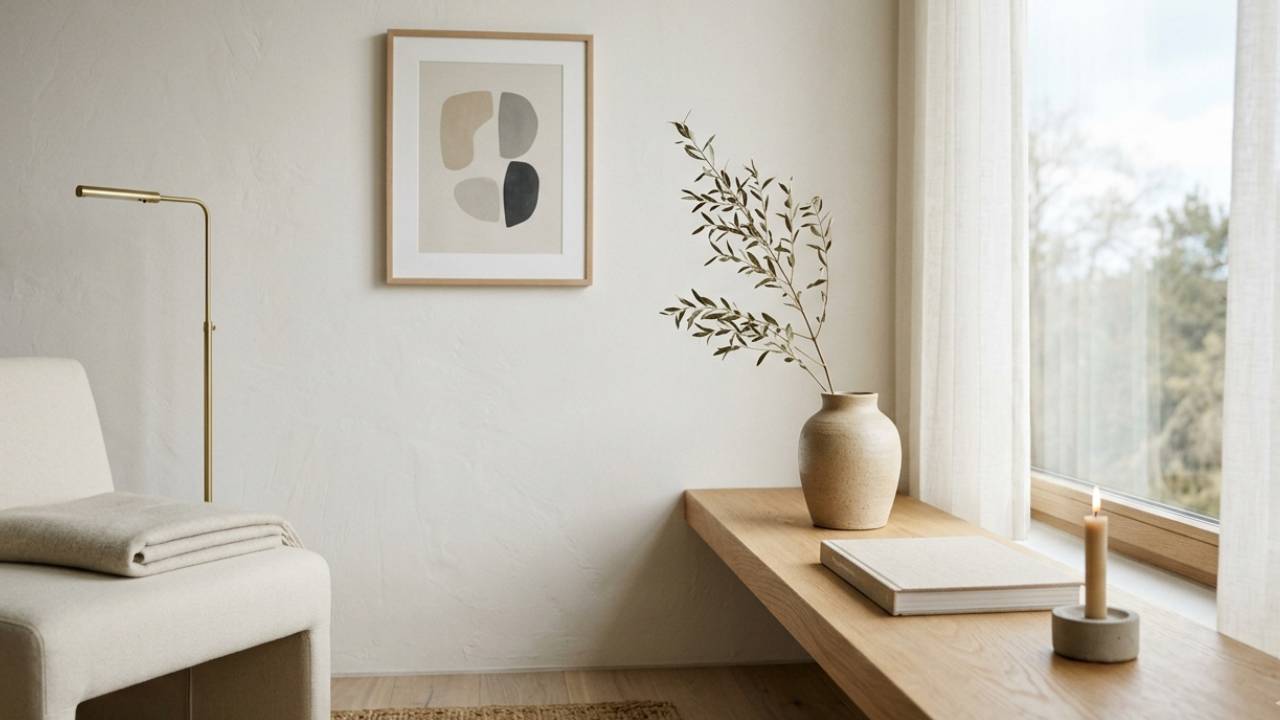
One of the most significant benefits of minimalism is its positive effect on mental health. A clean, organized, and simple environment can create a calm and peaceful atmosphere. When there is less clutter around us, it becomes easier to think clearly and stay focused. On the other hand, living in a crowded and messy environment can increase stress and reduce productivity. Too many distractions can overwhelm the mind and make it difficult to concentrate. Minimalism helps reduce this mental burden by simplifying both physical surroundings and daily routines. As a result, people often feel more relaxed, focused, and emotionally balanced.
5. Minimalism and Financial Freedom
Another advantage of minimalism is better financial management. When people adopt a minimalist lifestyle, they tend to spend money more carefully. Instead of buying items impulsively, they consider whether a purchase is truly necessary. This habit helps individuals avoid unnecessary expenses and encourages them to focus on long-term financial goals. Money that might have been spent on unnecessary items can instead be saved, invested, or used for meaningful experiences. Over time, these choices can lead to greater financial stability and independence. In this way, minimalism not only simplifies life but also supports a more secure future.
6. Minimalism in Social Relationships
Minimalism is not only about physical possessions; it can also influence how people approach relationships. In modern society, it is common to have many acquaintances or social connections, especially through social media. However, not all of these relationships are meaningful. A minimalist mindset encourages individuals to focus on building deeper, more genuine connections with people who truly matter, such as family members, close friends, and supportive communities. By prioritizing meaningful relationships rather than a large number of superficial connections, people can experience stronger emotional support and a greater sense of belonging.
7. Environmental Benefits of Minimalism
Minimalism also contributes to environmental sustainability. Modern consumer culture often leads to excessive production and waste, which can harm the environment and deplete natural resources. By choosing to buy fewer but higher-quality products, individuals can reduce waste and minimize their environmental footprint. Reusing items, repairing belongings, and avoiding unnecessary purchases all help support a more sustainable lifestyle. When many people adopt these habits, the collective impact can significantly benefit the planet.
8. Discovering Happiness Through Simplicity
Ultimately, minimalism encourages people to redefine what happiness truly means. Instead of measuring success by the number of possessions they own, minimalists focus on experiences, personal growth, and meaningful relationships. With fewer distractions and unnecessary pressures, individuals can spend more time doing what truly matters—such as learning new skills, spending time with loved ones, exploring nature, or simply enjoying moments of peace. This shift in perspective allows people to appreciate the beauty of simple living and find satisfaction in everyday experiences.
9. Conclusion
Minimalism in modern life offers a powerful alternative to the pressures of consumer culture. By prioritizing quality over quantity, individuals can simplify their lives and focus on what truly matters. Through mindful choices, reduced clutter, and intentional living, minimalism helps create a more balanced, peaceful, and meaningful lifestyle. In a fast-paced world filled with distractions, embracing simplicity may be one of the most effective ways to achieve genuine happiness and long-term well-being.
SHARE
RELATED POST